New Patient Offer: $45 first Exam with Dr. Martin!



Pet Care & Health Blog
Here at Middlesex Veterinary Center, we encourage pet owners to educate themselves on proper pet care and pet health problems by asking questions and finding answers from reliable, trusted sources of information. We are providing our clients access to LifeLearn Client Education library, a unique pet health education library, that strengthens the veterinary team’s role as animal health educators, and provides pet parents with easy-to-understand information.

How Diagnostic Imaging Helps Identify Pet Health Problems
By Middlesex Veterinary Center | March 17, 2026
Understanding your pet’s health is not always as simple as observing external symptoms. Many conditions develop internally and may not show clear signs until they become more serious. Diagnostic imaging plays a crucial role in identifying these hidden issues early, allowing for more accurate diagnosis and effective treatment. At Middlesex Veterinary Center, we understand how important it is to detect
Read More

Pet Recovery at Home: How to Create a Calm, Safe Space
By Middlesex Veterinary Center | September 25, 2026
Bringing your pet home after surgery, an injury, or treatment can feel reassuring, but recovery does not end when you leave the veterinary hospital. The home environment can play an important role in keeping your dog or cat comfortable and preventing unnecessary activity while the body heals. A calm recovery area should be quiet, clean, easy to supervise, and protected
Read More
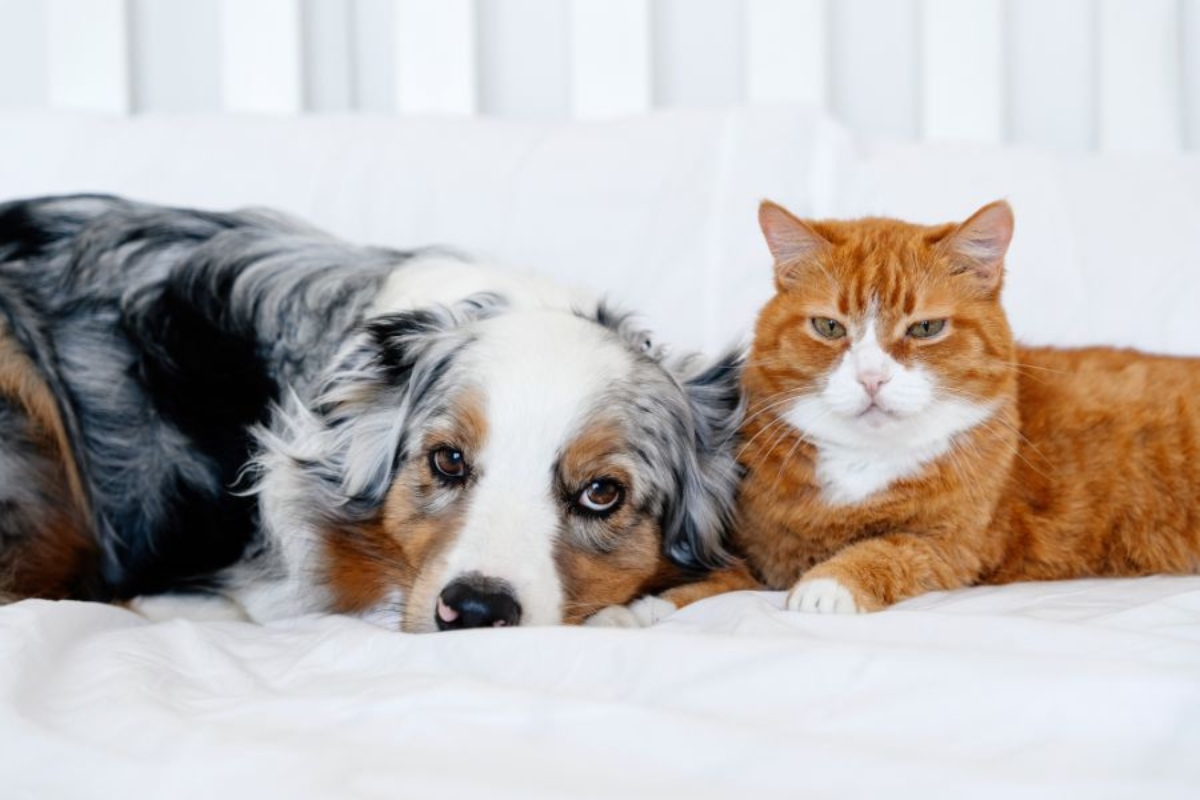
What Diseases Are Most Common in Senior Dogs and Cats?
By Middlesex Veterinary Center | September 18, 2026
Watching a beloved dog or cat grow older brings both meaningful moments and new responsibilities. A slower walk or longer nap may seem like normal aging. However, some changes can signal an underlying health problem. Older pets have a greater risk of developing chronic diseases that affect their comfort and quality of life. Some conditions also progress quietly before owners
Read More
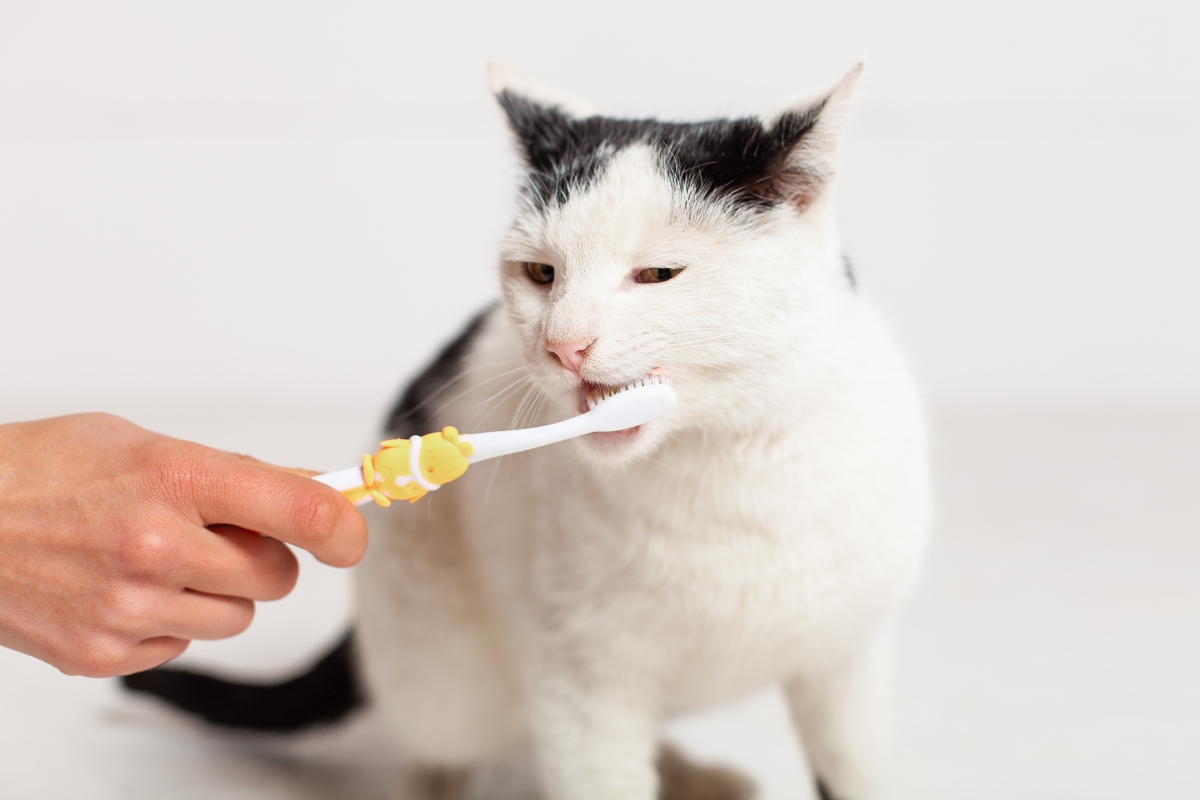
Creating a Low-Stress Toothbrushing Routine for Your Cat
By Middlesex Veterinary Center | September 11, 2026
A healthy mouth is an important part of your cat’s overall wellness, yet toothbrushing can seem challenging when your cat dislikes having its face or mouth handled. Fortunately, you do not need to turn dental care into a daily struggle. With patience, positive reinforcement, and a gradual approach, many cats can learn to accept a consistent toothbrushing routine. Cats often
Read More

How to Build a Healthy Nutrition Plan for Every Pet Life Stage
By Middlesex Veterinary Center | September 5, 2026
A healthy diet gives pets the nutrients they need to grow, stay active, maintain a healthy weight, and support normal body functions. However, nutritional needs change throughout a pet’s life. Puppies and kittens require nutrients for rapid development, adults need balanced nutrition for maintenance, and senior pets may need dietary adjustments based on changes in activity, metabolism, muscle condition, and
Read More

The Human Medication Danger Zone: Common Household Items That Can Kill Pets
By Middlesex Veterinary Center | August 27, 2026
Most pet owners know that certain foods, plants, and chemicals can be dangerous to dogs and cats. However, one of the biggest poisoning risks may be hiding in plain sight: everyday products kept inside the home. Prescription medications, over-the-counter pain relievers, supplements, topical creams, cleaning products, and even some common household items can cause serious or life-threatening poisoning when pets
Read More

How to Potty Train a Puppy Fast: A Stress-Free, Step-by-Step Guide
By Middlesex Veterinary Center | August 20, 2026
Potty training a puppy can feel overwhelming, especially when accidents happen just after you think your puppy has finally figured it out. However, successful house training does not require harsh corrections or constant frustration. With a consistent routine, close supervision, positive reinforcement, and realistic expectations, most puppies can learn where and when to go. The key is to remember that
Read More

Rat Poison Ingestion in Pets: Symptoms and Urgent Steps
By Middlesex Veterinary Center | August 14, 2026
Rat poison is one of the most dangerous substances a pet can encounter at home. Dogs and cats are naturally curious, and many rodenticides are formulated with ingredients that smell or taste appealing to animals. Unfortunately, even a small amount can cause severe harm within hours. Understanding what to look for and how to respond quickly can make the difference
Read More

Coccidia in Cats: Symptoms, Causes, Treatment & Prevention
By Middlesex Veterinary Center | August 5, 2026
Coccidia is a microscopic parasite that infects the intestinal lining of cats, often causing diarrhea and digestive distress. While many adult cats carry the parasite without showing symptoms, kittens and immunocompromised felines can develop severe illness that demands prompt veterinary care. Recognizing the warning signs early helps prevent dehydration and secondary complications that could endanger your pet. At Middlesex Veterinary
Read More

How to Relieve Your Dog’s Itchy Skin at Home Safely
By Middlesex Veterinary Center | July 23, 2026
Professional vet care is essential whenever your dog’s itching becomes severe, persistent, or is accompanied by other symptoms such as hair loss, skin sores, or signs of infection. However, for mild itching caused by dry skin or temporary environmental factors, there are several safe home care measures that may help provide relief while supporting healthy skin. Knowing which remedies are
Read More

What Is Gastropexy Surgery in Dogs? A Vet’s Guide to Preventing Bloat
By Middlesex Veterinary Center | July 20, 2026
Pet surgery plays an essential role in both treating medical conditions and preventing life-threatening diseases in dogs. One preventive procedure that has gained significant attention among veterinarians is gastropexy surgery. This surgical technique helps reduce the risk of Gastric Dilatation-Volvulus (GDV), commonly known as bloat, a rapidly progressing condition that requires immediate veterinary care. For owners of large and deep-chested
Read More