New Patient Offer: $45 first Exam with Dr. Martin!



Dog Bloated Stomach: Signs of Bloat and When to Seek Emergency Vet Care
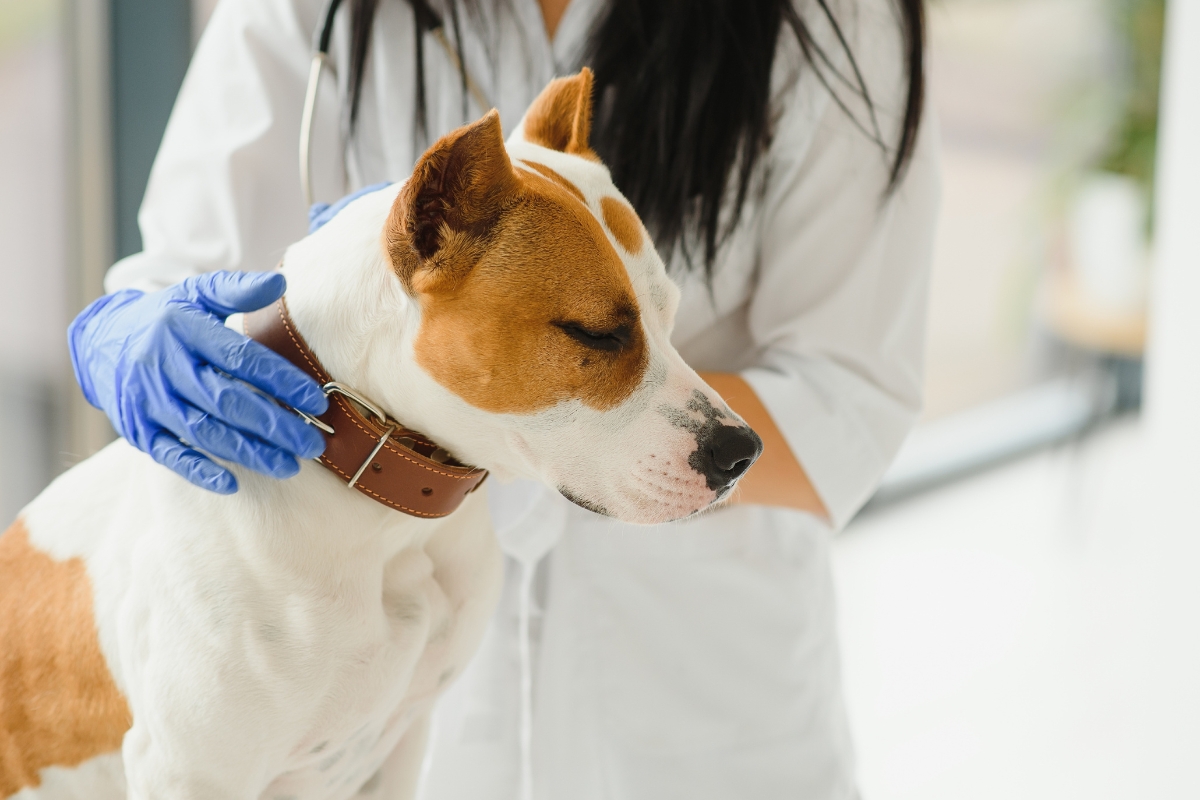
A swollen stomach in dogs can sometimes indicate a serious medical emergency. Your dog may suddenly become restless, struggle to vomit, or develop a noticeably enlarged abdomen. While some digestive problems cause temporary discomfort, others can become life-threatening within hours. One particularly dangerous condition is gastric dilatation-volvulus (GDV), commonly associated with bloat.
Recognizing the warning signs early can help protect your dog’s life. For pet owners in Littleton, understanding the causes, symptoms, and treatment options is an important part of responsible pet ownership. This guide explains when stomach bloating requires immediate attention and how our veterinary practice can help address concerning digestive symptoms.
What Is Bloat in Dogs, and Why Is It Dangerous?
Bloat occurs when a dog’s stomach expands because of accumulated gas, food, or fluid. Although stomach enlargement does not always involve twisting, some dogs develop gastric dilatation-volvulus.
GDV occurs when the enlarged stomach rotates, trapping its contents and disrupting normal blood circulation.
This condition can cause several serious complications:
- Reduced blood flow to the stomach and surrounding organs.
- Restricted blood returning to the heart.
- Severe abdominal pain and breathing difficulties.
- Damage to stomach tissue.
- Shock and potentially fatal complications.
GDV can progress rapidly, making immediate emergency veterinary treatment essential.
What Are the Early Warning Signs of Bloat in Dogs?
Dogs experiencing bloat may develop several physical and behavioral changes. Some symptoms appear suddenly, while others become more noticeable as the condition progresses.
Swollen or Enlarged Abdomen
A dog’s abdomen may appear unusually rounded, tight, or enlarged. The swelling can develop quickly and may cause visible discomfort. However, some dogs with GDV do not develop obvious abdominal enlargement during the early stages.
Repeated Attempts to Vomit
One of the most concerning symptoms is repeated retching without producing vomit.
Your dog may gag frequently, bringing up only saliva or small amounts of foam. This symptom requires immediate attention, particularly when accompanied by abdominal discomfort.
Restlessness and Unusual Behavior
Dogs experiencing abdominal pain may struggle to settle comfortably.
Common behavioral changes include:
- Constant pacing around the house.
- Repeatedly changing resting positions.
- Whining or appearing anxious.
- Refusing to lie down.
- Standing with an unusual posture.
These changes can indicate significant discomfort even before visible swelling develops.
Excessive Drooling and Rapid Breathing
Dogs with bloat may drool excessively because of nausea or abdominal discomfort.
Rapid breathing, panting, or difficulty breathing can also occur as the enlarged stomach places pressure on surrounding structures.
Weakness, Pale Gums, or Collapse
As GDV progresses, circulation may become severely compromised. Affected dogs may develop pale gums, weakness, a rapid heartbeat, or sudden collapse. These symptoms indicate a critical emergency requiring immediate treatment.
What Causes a Dog’s Stomach to Become Bloated?
Several medical conditions can cause abdominal enlargement. Understanding the possible causes helps owners recognize why veterinary evaluation matters.
Gastric Dilatation-Volvulus
GDV involves stomach enlargement followed by twisting. The rotation traps gas and disrupts circulation, making emergency surgery necessary.
Excessive Gas Accumulation
Digestive disturbances, dietary changes, or swallowed air can contribute to stomach distension. However, owners cannot reliably distinguish ordinary gas from GDV at home.
Eating Too Quickly
Dogs that eat rapidly may swallow excessive air, contributing to stomach enlargement. Rapid eating alone does not necessarily cause GDV.
Other Abdominal Conditions
Intestinal obstruction, fluid accumulation, organ enlargement, and other medical problems can also cause a swollen abdomen.
Our vets recommend evaluating unexplained abdominal swelling rather than assuming it results from overeating.
Which Dogs Are More Likely to Develop GDV?
Although any dog can develop stomach bloating, certain breeds have an increased risk of GDV.
Large, deep-chested breeds are particularly susceptible, including:
- Great Danes
- German Shepherds
- Standard Poodles
- Doberman Pinschers
- Weimaraners
- Irish Setters
Older dogs and those with a family history of GDV may also face increased risk.
However, smaller dogs can develop serious abdominal problems. Breed alone should never determine whether emergency evaluation is necessary.
When Does a Bloated Stomach Require Emergency Veterinary Care?
A suddenly enlarged abdomen combined with repeated retching, severe discomfort, or weakness should be treated as an emergency.
Seek immediate veterinary attention if your dog experiences:
- Sudden abdominal swelling with visible distress.
- Repeated unsuccessful attempts to vomit.
- Persistent rapid breathing or breathing difficulties.
- Pale gums, weakness, or collapse.
- Severe abdominal pain or rapidly worsening symptoms.
For less severe digestive concerns, our veterinary practice provides urgent vet care in Littleton, including evaluations for vomiting, appetite changes, and abdominal discomfort.
However, suspected GDV requires an emergency veterinary hospital equipped for immediate stabilization and surgery. Do not delay transportation while waiting for symptoms to improve.
How Do Veterinarians Diagnose Bloat and GDV?
Veterinarians evaluate the dog’s physical condition and check for signs of shock. Diagnostic testing helps determine whether stomach twisting has occurred.
Abdominal X-Rays
Radiographs reveal stomach enlargement and changes in positioning that may indicate GDV.
Blood Tests
Bloodwork helps assess organ function, electrolyte abnormalities, and complications associated with poor circulation.
Circulatory Assessment
Veterinarians may monitor heart rate, blood pressure, and breathing to evaluate the severity of the condition.
Emergency stabilization and diagnostic testing may occur simultaneously when GDV is suspected.
How Is GDV Treated in Dogs?
GDV requires immediate veterinary intervention. Treatment typically involves several steps.
Emergency Stabilization
Veterinarians administer intravenous fluids, pain medication, and supportive treatments to address shock and stabilize circulation.
Stomach Decompression
The veterinary team releases trapped gas through appropriate medical procedures to reduce pressure.
Emergency Surgery
Surgery corrects the stomach’s position and allows veterinarians to assess tissue damage. A procedure called gastropexy helps reduce the risk of future stomach twisting.
Postoperative Monitoring
Dogs require careful monitoring for complications, including abnormal heart rhythms, infection, and circulation problems.
Recovery depends on the severity of the condition and how quickly treatment begins.
Can Dog Bloat Be Prevented?
Not every case of GDV can be prevented. However, certain precautions may help reduce potential risk factors.
- Encourage slower eating: Slow-feeder bowls can help dogs that swallow food rapidly.
- Offer smaller meals: Dividing daily food into multiple meals may be appropriate for some dogs.
- Manage activity around meals: Avoiding strenuous exercise immediately around feeding is a reasonable precaution, although its preventive benefit remains uncertain.
- Discuss preventive gastropexy: Dogs at increased risk may benefit from surgery that reduces the likelihood of stomach twisting.
Our vets can discuss individual risk factors and appropriate preventive measures during routine examinations.
How Our Veterinary Practice Helps Dogs With Digestive Problems
Unexpected digestive symptoms can leave owners worried about their dog’s health. Knowing when to seek veterinary attention helps prevent unnecessary delays.
Our veterinary practice evaluates vomiting, abdominal discomfort, appetite changes, and other concerning symptoms. Through our urgent vet care services, our team provides physical examinations, diagnostic assessments, and recommendations based on each dog’s condition.
When symptoms indicate a possible life-threatening emergency, our vets can direct owners toward an appropriate emergency facility. During business hours, please call ahead so our team can advise you about the next step.
Protect Your Dog’s Health With Timely Veterinary Attention
A swollen stomach should never be ignored when accompanied by retching, severe discomfort, or weakness. Recognizing these warning signs can help owners respond before serious complications develop.
At Middlesex Veterinary Center, we believe timely veterinary attention and clear communication are essential to protecting pets’ health. Concerned About Your Dog’s Stomach? Contact Our Veterinary Team Today!
If your dog develops unexplained digestive symptoms, call us at 978-952-8500 for guidance. We welcome pets from Littleton and surrounding Massachusetts communities. If GDV is suspected, proceed immediately to an emergency veterinary hospital.
Frequently Asked Questions
Q1. Can a Dog Have Bloat Without a Swollen Stomach?
Ans. Yes. Some dogs develop GDV without obvious abdominal enlargement. Repeated unproductive retching, restlessness, and weakness can indicate a serious emergency.
Q2. How Quickly Can GDV Become Life-Threatening?
Ans. GDV can become life-threatening within hours. Stomach twisting disrupts circulation and may cause shock, making immediate emergency treatment essential.
Q3. Can Dog Bloat Resolve Without Veterinary Treatment?
Ans. Simple gas-related swelling may resolve, but GDV requires emergency intervention. Never wait for symptoms to disappear when your dog shows significant distress.
Q4. Where Can I Get My Dog’s Bloated Stomach Evaluated in Littleton?
Ans. Middlesex Veterinary Center evaluates digestive concerns in Littleton. Call ahead for guidance. Suspected GDV requires immediate treatment at an emergency veterinary hospital.
Q5. Does Middlesex Veterinary Center Help Dogs With Digestive Problems Near Westford?
Ans. Yes. Middlesex Veterinary Center welcomes dogs from Westford for appropriate urgent evaluations, including vomiting and abdominal discomfort. Severe symptoms require immediate emergency attention.
Q6. Can Middlesex Veterinary Center Help Pet Owners in Groton Recognize Emergency Symptoms?
Ans. Yes. Middlesex Veterinary Center helps Groton-area pet owners understand concerning symptoms and appropriate next steps. Sudden abdominal swelling, unsuccessful retching, or collapse requires immediate emergency treatment.