New Patient Offer: $45 first Exam with Dr. Martin!



Microchip and ID Check: Why Halloween Is a Peak Night for Lost Pets
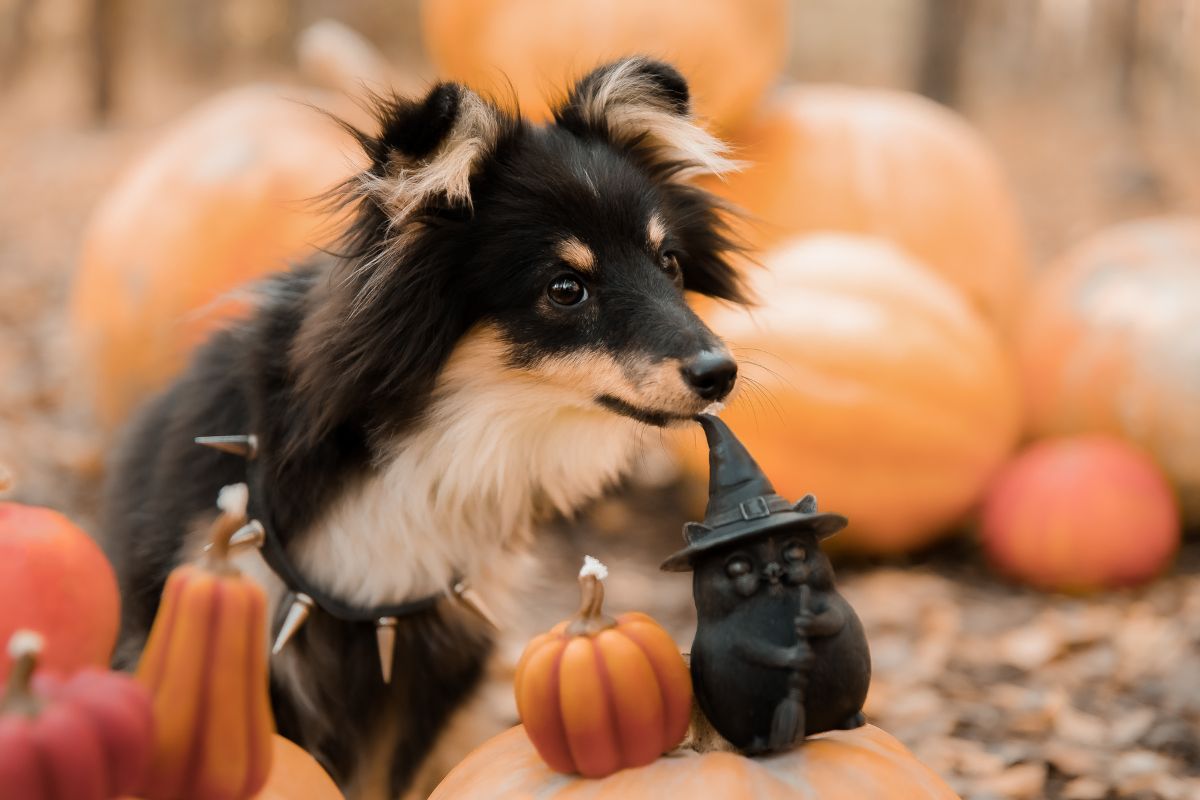
Halloween changes the normal rhythm of a household. The doorbell rings repeatedly, children arrive in costumes, unfamiliar voices fill the entryway, and doors may stay open longer than usual. For pets, all that activity can be confusing or frightening.
A dog that normally waits calmly by the door may suddenly run outside. A cat that usually hides from visitors may slip through an open doorway when no one is watching. Once outside, a frightened pet may keep running instead of staying close to home.
That is why checking your pet’s identification before Halloween is worth a few minutes. A readable ID tag and a registered microchip give a lost dog or cat more ways to be identified and returned home.
Why Are Pets More Likely to Get Lost on Halloween?
Halloween brings several escape risks together in a single evening.
Frequent Door Opening
Trick-or-treaters can keep a front door opening and closing for hours. Even careful families can become distracted while greeting visitors, handing out candy, or watching children.
A curious dog may see an opportunity to explore. A nervous cat may bolt because the doorway appears to be the quickest escape from unfamiliar people and noise.
Costumes Can Frighten Pets
Pets recognize people partly through their appearance, movement, scent, and voice. Masks, large hats, flowing costumes, flashing accessories, and unusual movements may make familiar surroundings feel different.
A pet that becomes startled may react quickly. Running and hiding are natural responses for many frightened animals.
More People Are Outside
Neighborhoods can become unusually busy on Halloween night. Children may be walking along sidewalks and driveways, while cars arrive and leave more frequently. A loose pet may become overwhelmed by the activity and move farther from home.
Parties Create Additional Opportunities to Escape
Halloween parties can also disrupt a pet’s routine. Guests may not know that a dog must stay behind a gate or that an indoor cat tends to approach an open door.
The more people entering and leaving, the harder it can become to monitor every doorway.
Why Should You Check Your Pet’s Microchip Before Halloween?
A microchip is a small electronic identification device placed beneath a pet’s skin. It contains a unique identification number that can be read with a compatible scanner.
If a lost pet is brought to a veterinary hospital or animal shelter, staff can scan the animal for a chip. The identification number can then be used to determine the associated microchip registry and help contact the registered owner.
A microchip does not work like GPS. It cannot show you where your dog or cat is currently located. Its purpose is identification after someone finds your pet.
This distinction is important. Some owners assume that having a microchip means they can electronically track a missing animal. Standard pet microchips do not provide real-time location information.
Having a Microchip Is Only Part of the Job
A microchip becomes much more useful when its registration information is accurate. Think about whether anything has changed since your pet was microchipped. Did you move? Change your phone number? Get a new email address? Is the person listed as an alternate contact still reachable?
If the registry contains outdated information, finding you may take longer.
Before Halloween, confirm:
- Your pet’s microchip is registered.
- Your current phone number is listed.
- Your home address is correct.
- Your email address is current.
- Any alternate contact information is accurate.
- You have your pet’s microchip number stored somewhere accessible.
Do not wait until your pet is missing to discover that an old phone number is still connected to the registration.
Should a Microchipped Pet Still Wear an ID Tag?
Yes. Microchips and visible ID tags serve different purposes.
An ID tag provides immediate information. If your dog wanders into a neighbor’s yard, the person who finds them may simply read the tag and call you. No scanner or trip to a veterinary clinic or shelter is necessary.
Microchips provide a second layer of identification. Collars can break, tags can become unreadable, and frightened animals can slip out of collars. Because the microchip remains implanted beneath the skin, it can still identify the pet when visible identification is gone.
Using both methods gives your pet more than one way to get home.
What Should Be on Your Pet’s ID Tag?
Keep the information simple and readable. A useful identification tag should include the owner’s current phone number. You may also include the pet’s name and another contact number.
Inspect the tag before Halloween. Engraving can fade over time, particularly on tags worn every day. Make sure someone could easily read the phone number without guessing at worn digits.
Check the collar at the same time. It should fit securely without being uncomfortably tight.
How Can You Confirm That a Microchip Still Works?
You cannot confirm a microchip simply by looking at your pet. A veterinary team can scan the pet and make sure the chip can be detected.
Routine wellness visits are a convenient opportunity to have this done. Microchips are intended to last throughout a pet’s life, but periodically confirming that a chip can be read adds another useful check.
If you do not know whether your adopted pet has a microchip, a veterinary professional can also scan for one. Finding a vet near you before the holiday gives you time to address identification questions instead of dealing with them after an escape.
What If Your Pet Has Never Been Microchipped?
Consider discussing microchipping with your veterinarian. Microchipping involves placing a small chip beneath the skin. It provides permanent identification that cannot fall off the way a collar or tag can.
For puppies and kittens, microchipping may be discussed as part of preventive care. Adult pets can also be microchipped if they do not already have one.
Indoor cats should not automatically be excluded. An indoor cat may have little experience navigating outside and can become frightened or disoriented after an unexpected escape. A microchip can provide valuable identification if the cat is later found.
Create a Halloween ID Check Before Trick-or-Treating Starts
Do not wait until the doorbell starts ringing. Earlier in the day, take a few minutes to inspect your pet’s identification. Check the collar, tag, leash, and microchip registration.
It is also useful to take a clear, recent photo of your pet. Choose a photo that shows the face, coat pattern, markings, and other recognizable features. Keep several clear pictures on your phone.
For households with several pets, check each animal separately. One pet may have current information while another still has an outdated tag or registration.
Keep Pets Away From the Front Door
Identification provides protection after an escape, but preventing the escape is even better. Before trick-or-treating begins, place pets in a secure and comfortable area away from the entrance. Give them access to water, bedding, toys, and other familiar items.
Make sure everyone in the household knows where the pet is staying. Guests should also know which doors need to remain closed.
For cats, check windows and screens as well as doors. A frightened cat may look for an unusual exit if the home becomes noisy. Dogs going outside for bathroom breaks should remain securely leashed, even when they normally stay close to the house.
What Should You Do If Your Pet Goes Missing on Halloween?
Act quickly.
Start by searching your home carefully. Frightened cats, in particular, can hide in surprisingly small spaces. Check closets, basements, garages, under furniture, and other quiet areas before assuming the pet made it outside.
If your pet is definitely missing, begin searching nearby areas and contact local animal shelters, animal control services, and veterinary hospitals. Let them know that your pet is microchipped if applicable.
Keep your phone nearby and answer unfamiliar numbers. Someone who finds your pet or accesses the microchip registration may be trying to reach you. You can also share a recent photo and accurate description with neighbors and appropriate local lost-pet resources.
Identification Is a Small Step That Can Matter on a Busy Night
Halloween should not have to become a search for a missing pet. A few preventive steps before the evening begins can reduce avoidable risks.
Check your pet’s collar. Read the tag. Confirm your phone number. Review the microchip registration. Then create a secure space away from frequently opened doors. These precautions take little time, but they can become extremely important if your dog or cat unexpectedly gets outside.
Protect Your Pet Before Halloween Night Arrives
Halloween brings excitement to Littleton households, but repeated visitors and unfamiliar sights can make it easier for a frightened pet to slip away unnoticed. Checking identification before the holiday is a simple way to prepare for an unexpected escape.
If your dog or cat has never been microchipped, you are unsure whether an existing chip can be read, or you have questions about preventive care, search for a vet near you or contact Middlesex Veterinary Center. We provide preventive veterinary services in Littleton, including microchipping. A little preparation now can give your pet an important connection back home.
FAQs
Q1. Does my pet need an ID tag if they already have a microchip?
Ans. Yes. An ID tag allows someone who finds your pet to contact you immediately. A microchip provides permanent identification if the collar or tag becomes lost. Using both provides two methods of identification.
Q2. Can I use my pet’s microchip to track them if they run away?
Ans. No. A standard pet microchip is not a GPS tracker and does not provide your pet’s location. A scanner reads the chip’s unique identification number after the animal has been found.
Q3. Should indoor cats in Littleton be microchipped?
Ans. Indoor cats can still escape through an open door, damaged screen, or other unexpected opening. Halloween creates additional opportunities because doors may open frequently. Middlesex Veterinary Center can discuss microchipping with Littleton cat owners and help determine whether a cat already has a readable chip.
Q4. Can a veterinarian check whether my dog’s microchip still works?
Ans. Yes. A veterinary professional can scan your dog to confirm that a microchip can be detected. Owners should also make sure their contact information remains current with the appropriate registry.
Q5. Where can Littleton pet owners ask about microchipping before Halloween?
Ans. Pet owners in Littleton can contact Middlesex Veterinary Center to discuss preventive care and microchipping. The practice uses PetLink microchips and registers owner information with PetLink when implanting them.
Q6. Can Middlesex Veterinary Center help if my puppy or kitten needs a microchip?
Ans. Yes. Middlesex Veterinary Center includes microchipping among the preventive considerations for young pets. The practice states that a microchip can be implanted at any time, although it often prefers placement while a puppy or kitten is under anesthesia for a spay or neuter procedure.
Related Articles