New Patient Offer: $45 first Exam with Dr. Martin!



Dog Skin Lump Removal Surgery: What Pet Owners Should Know
Finding a lump on your dog’s skin can be concerning, especially when you do not know what caused it. Some lumps are harmless, while others may indicate infections or tumors that require medical attention. Although not every lump needs surgical treatment, certain growths can affect your dog’s comfort, movement, and overall health.
For dog owners in Littleton, knowing when a skin lump needs treatment can help prevent unnecessary delays. Understanding how veterinarians examine these growths, when pet surgery becomes necessary, and what recovery involves can help you make informed decisions. This guide explains what to expect from a dog skin lump removal surgical procedure and how proper veterinary care supports your pet’s health.
What Causes Skin Lumps in Dogs?
Dogs can develop skin lumps for several reasons, including blocked glands, infections, inflammation, fatty tissue growth, and abnormal cell development.
Common types of lumps include:
- Lipomas: Soft, usually movable fatty tumors that are generally benign.
- Sebaceous or follicular cysts: Growths associated with blocked or damaged skin structures.
- Histiocytomas: Small, usually benign tumors that commonly appear in younger dogs.
- Mast cell tumors: Skin tumors that can vary in appearance and may behave aggressively.
- Abscesses: Painful, infected pockets that sometimes develop after bites or injuries.
- Soft tissue sarcomas: Tumors arising from connective tissues that may invade surrounding structures.
A lump’s appearance cannot reliably determine whether it is cancerous. Veterinary examination and diagnostic testing are important for identifying its cause.
When Does a Dog’s Skin Lump Need Surgical Removal?
Not every lump requires immediate removal. Some benign growths can be monitored if they remain unchanged and do not cause discomfort.
However, it may be recommended in certain situations.
The Lump Is Growing Quickly
A lump that increases in size or changes shape should be examined. Rapid growth does not always indicate cancer, but it may signal a condition requiring treatment.
The Lump Causes Pain or Movement Problems
Growths near joints, paws, or areas exposed to friction may interfere with daily activities. Dogs might lick the affected area, avoid certain movements, or react when touched.
The Lump Bleeds or Becomes Infected
Lumps that develop open wounds, discharge, or repeated bleeding need veterinary attention. These symptoms may indicate infection, irritation, or an underlying tumor.
Testing Suggests a Cancerous Growth
When diagnostic findings indicate cancer, surgical removal may be recommended. Depending on the tumor type, removing surrounding tissue may help reduce the risk of abnormal cells remaining.
How Do Veterinarians Diagnose Skin Lumps in Dogs?
Before recommending any surgical treatment, our vets examine the lump and evaluate your dog’s overall health.
Diagnostic methods may include:
- Fine-Needle Aspiration: A veterinarian collects cells from the lump using a thin needle. Microscopic examination can help identify certain tumors, infections, or inflammatory conditions.
- Biopsy: A small tissue sample is collected for laboratory examination. This may provide more information when aspiration results are inconclusive.
- Histopathology: After surgical removal, the tissue may be examined to identify the growth and assess whether it was completely removed.
- Blood Tests and Imaging: Bloodwork helps evaluate your dog’s health before anesthesia. Imaging may be recommended when the veterinarian suspects a deeper mass or cancer that could have spread.
These findings help determine whether monitoring, surgery, or another treatment is appropriate.
What Happens During Dog Skin Lump Removal Surgery?
Skin lump removal is a soft tissue surgical procedure. The approach depends on the growth’s size, location, and suspected diagnosis.
Preoperative Examination
Our veterinary team reviews your dog’s medical history, physical condition, and diagnostic findings. Before the procedure, pet owners receive instructions about fasting, medications, and other necessary preparations.
Anesthesia and Preparation
Most lump removal procedures require general anesthesia to keep dogs unconscious and prevent pain during the surgical treatment.
The surgical area is clipped, cleaned, and prepared. Appropriate monitoring helps the veterinary team assess your dog’s condition throughout the procedure.
Surgical Removal
The veterinarian makes an incision and carefully removes the lump. For suspected malignant tumors, additional surrounding tissue may need to be removed to improve the likelihood of complete excision. The incision is then closed with sutures or another appropriate closure method.
Postoperative Monitoring
After the procedure, your dog is monitored during recovery from anesthesia. The veterinary team checks your pet’s comfort and overall condition before determining when returning home is appropriate.
How Long Does Recovery Take After Skin Lump Removal?
Many dogs recover from uncomplicated skin lump removal within approximately 10 to 14 days. However, recovery varies depending on the incision’s size, location, and depth. Larger procedures may require longer healing periods.
How Can You Help Your Dog Recover at Home?
Following postoperative instructions is important for preventing complications.
- Restrict activity: Avoid running, jumping, and rough play until your veterinarian approves.
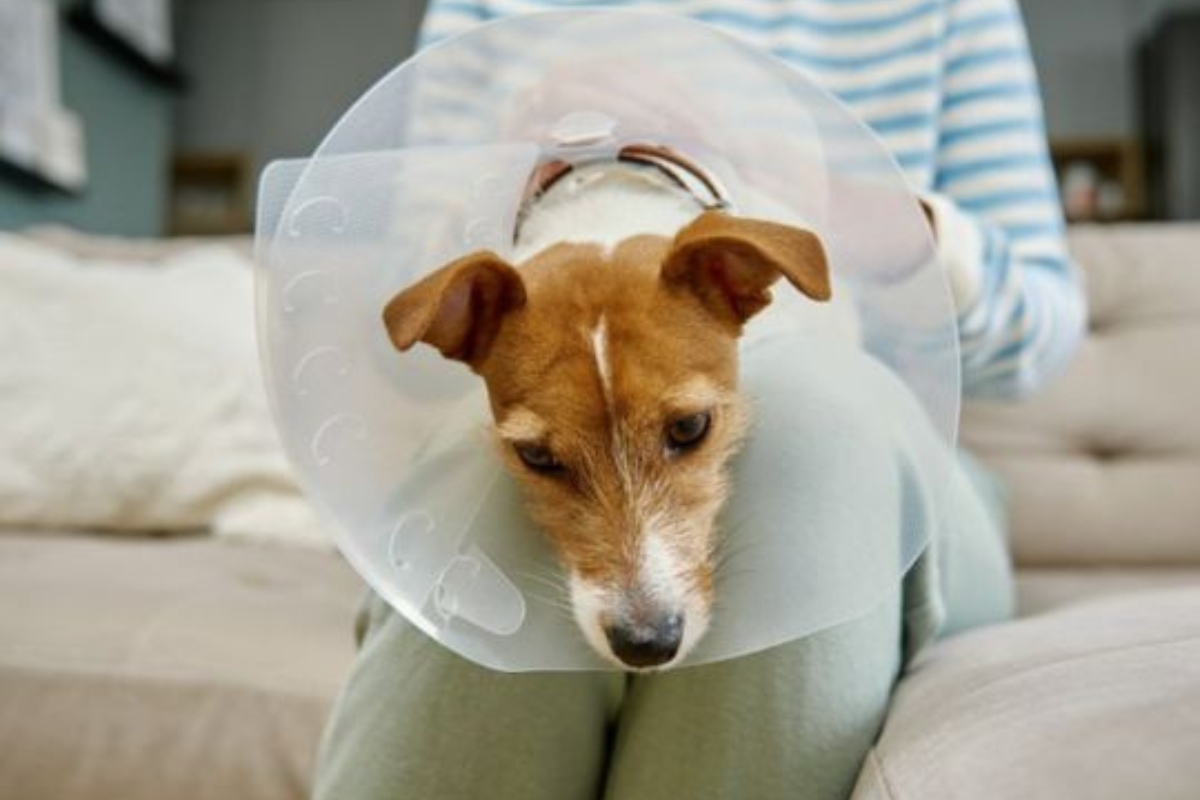
- Prevent licking: Use a veterinarian-approved protective collar to keep your dog from disturbing the incision.
- Keep the incision dry: Avoid bathing or swimming until the surgical site has healed.
- Give prescribed medications: Follow your veterinarian’s instructions for pain relief and other medications.
- Check the incision daily: Watch for unusual swelling, bleeding, redness, or discharge.
- Attend follow-up visits: Return for incision checks or suture removal when recommended.
Never give human pain medications without veterinary approval. Some can be toxic to dogs.
What Are the Warning Signs After Surgery?
Mild swelling or tenderness may occur during early recovery. However, certain symptoms require veterinary attention.
Contact your veterinarian if your dog develops:
- Increasing redness or swelling around the incision
- Persistent bleeding or unusual discharge
- An incision that opens
- Significant pain or discomfort
- Repeated vomiting or refusal to eat
- Unusual weakness or lethargy
Difficulty breathing, collapse, or uncontrolled bleeding requires immediate emergency veterinary care.
Can a Dog’s Skin Lump Return After Surgery?
Yes. Some growths can return, particularly when abnormal cells remain after removal. Recurrence depends on the tumor type, its behavior, and whether it was completely removed.
Histopathology results may help determine the likelihood of recurrence and whether additional treatment is necessary. Regular veterinary examinations also help identify new lumps before they cause noticeable problems.
Why Is Early Evaluation of Skin Lumps Important?
Dogs may continue eating, playing, and behaving normally even when they have concerning skin growths. Waiting until a lump causes pain or grows significantly can delay diagnosis and treatment.
Early examination allows veterinarians to identify potential concerns and discuss appropriate options. For some dogs, removing a smaller mass may involve a less extensive procedure. However, surgery is not always necessary, and treatment decisions should be based on diagnostic findings.
At our veterinary practice, we consider your dog’s age, medical history, and overall condition before recommending pet surgery. Our goal is to help pet owners understand their options and make decisions that support their dog’s comfort and long-term health.
Give Your Dog the Attention Their Health Deserves
A skin lump may appear harmless, but understanding its cause is important for protecting your dog’s health. Early examination, appropriate testing, and timely treatment can help address concerns about growth and reduce the risk of complications. When surgery is necessary, careful planning and proper recovery support can help your dog return to normal activities.
If you have noticed an unusual lump on your dog, our veterinary team is here to help. We provide surgical evaluations and treatment options for dogs in Littleton and nearby communities.
Contact Middlesex Veterinary Center today to schedule an examination and learn whether your dog needs further testing or surgical treatment. Our vets are ready to help you take the next step toward protecting your pet’s health.
Frequently Asked Questions
Q1. Does Every Skin Lump on a Dog Need Surgery?
Ans. No. Some benign lumps can be monitored if they remain stable and do not cause discomfort. However, new or changing lumps should be examined to determine whether treatment is necessary.
Q2. Is Skin Lump Removal Surgery Painful for Dogs?
Ans. Dogs receive anesthesia during surgery and appropriate pain management afterward. Mild soreness may occur during recovery, but prescribed medications can help control discomfort.
Q3. Can a Veterinarian Identify Cancer by Touching a Lump?
Ans. No. Physical examination alone cannot reliably determine whether a lump is cancerous. Fine-needle aspiration, biopsy, or histopathology may be needed for diagnosis.
Q4. Where Can I Get My Dog’s Skin Lump Examined in Littleton?
Ans. Pet owners in Littleton can contact Middlesex Veterinary Center for a veterinary examination. Our vets can evaluate the lump, discuss diagnostic testing, and determine whether removal should be considered.
Q5. Does Middlesex Veterinary Center Offer Dog Skin Lump Removal Surgery?
Ans. Yes. Middlesex Veterinary Center offers soft tissue surgical services, including mass removal. Our veterinary team evaluates each dog’s condition before recommending an appropriate surgical approach.
Q6. How Can I Prepare My Dog for Surgery at Middlesex Veterinary Center?
Ans. Before the procedure, Middlesex Veterinary Center provides preparation instructions based on your dog’s medical needs. These may include fasting guidelines, medication instructions, and information about postoperative care.