New Patient Offer: $45 first Exam with Dr. Martin!



The Human Medication Danger Zone: Common Household Items That Can Kill Pets
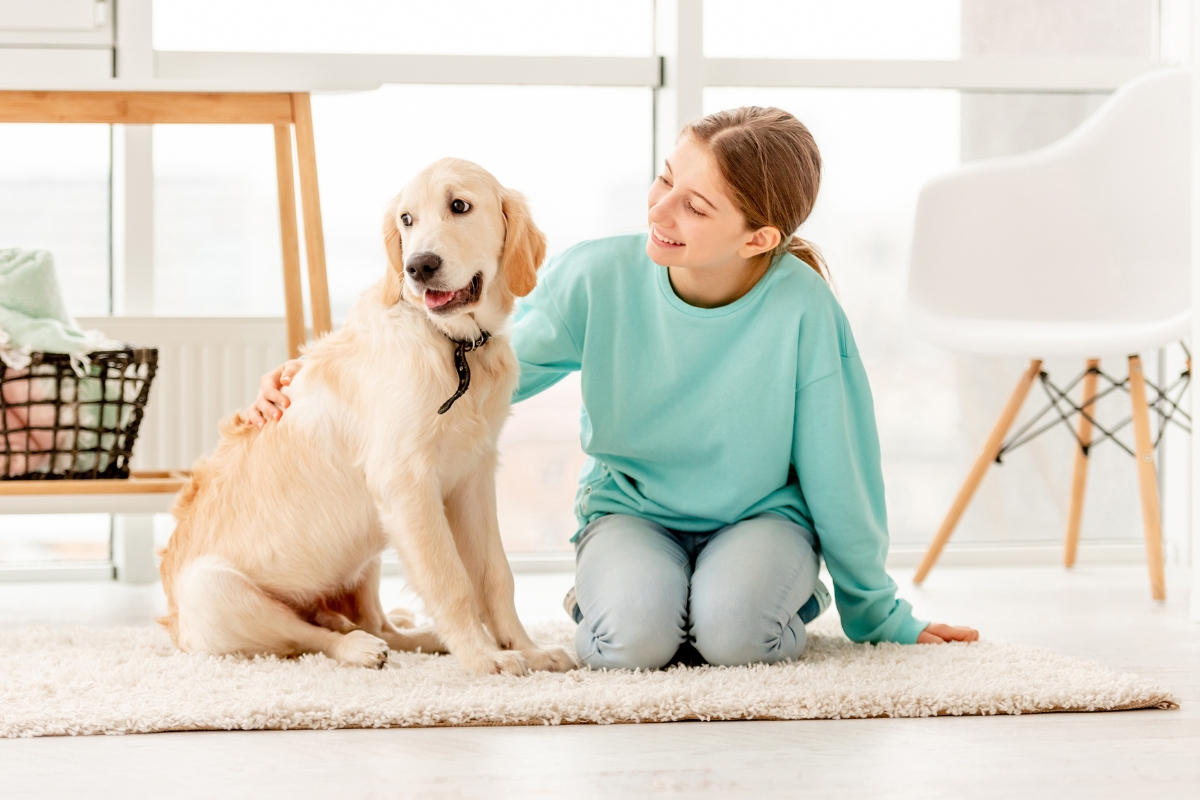
Most pet owners know that certain foods, plants, and chemicals can be dangerous to dogs and cats. However, one of the biggest poisoning risks may be hiding in plain sight: everyday products kept inside the home. Prescription medications, over-the-counter pain relievers, supplements, topical creams, cleaning products, and even some common household items can cause serious or life-threatening poisoning when pets ingest them.
Pets explore their surroundings differently from people. A dropped pill can look like a treat, a bottle may become a chew toy, and a spilled medication can leave an interesting scent on the floor. Because dogs and cats are much smaller than humans, even a relatively small amount of certain substances can cause significant toxicity.
Furthermore, some medications that are safe for people can be extremely dangerous for animals. A pet may appear completely normal after swallowing something toxic, yet serious damage could already be developing internally. Therefore, knowing which household hazards deserve special attention can help pet owners act quickly and prevent avoidable emergencies.
For families seeking dependable animal hospital support, understanding household poisoning risks is an important part of responsible pet ownership. Prevention starts with knowing what belongs in a locked cabinet, what should never be given to a pet without veterinary direction, and what symptoms require immediate professional attention.
Why Human Medications Can Be So Dangerous for Pets
Human and animal bodies process medications differently. A drug designed to treat pain, inflammation, allergies, anxiety, or another condition in people may affect a pet’s liver, kidneys, gastrointestinal tract, heart, or nervous system in very different ways.
Dosage also matters. A tablet intended for an adult human may contain far more medication than a small dog or cat can safely tolerate.
Additionally, pets may consume medication accidentally when owners leave pills on countertops, nightstands, floors, purses, or open containers. Some dogs will actively search for bottles because they enjoy chewing plastic packaging.
Therefore, medication safety should be treated as seriously as any other pet-proofing measure.
Human Pain Relievers Are a Major Household Hazard
Common pain medications deserve particular attention because many households keep them readily available.
Ibuprofen
Ibuprofen is a nonsteroidal anti-inflammatory drug commonly used by people for pain and inflammation. However, it can be dangerous to dogs and especially harmful to cats.
Depending on the amount ingested, ibuprofen poisoning can cause gastrointestinal irritation, ulcers, kidney damage, neurological problems, and other serious complications.
Naproxen
Naproxen is another human pain reliever that can cause severe toxicity in pets. It can remain in the body for an extended period and may lead to gastrointestinal bleeding, kidney injury, and other potentially life-threatening effects.
Acetaminophen
Acetaminophen can cause serious poisoning in pets. Cats are particularly sensitive because their bodies have limited ability to safely process the drug.
Toxic exposure can result in damage to red blood cells and the liver. Cats may develop breathing difficulty, weakness, swelling, or abnormal coloration of the gums and tissues.
Never give a pet human pain medication unless a veterinarian specifically instructs you to do so.
Antidepressants and Other Prescription Medications Can Cause Toxicity
Prescription medications can pose significant risks when pets accidentally ingest them.
Certain antidepressants may cause:
- Abnormal sedation or agitation
- Tremors
- Changes in heart rate
- Seizures
- Abnormal body temperature
- Vomiting
- Coordination problems
Other prescription medications, including some drugs used for attention disorders, blood pressure, diabetes, and sleep problems, can also cause serious effects in animals.
The danger does not necessarily depend on a pet swallowing an entire bottle. A small amount can be enough to create a medical emergency depending on the medication, concentration, species, body size, and health status.
Heart and Blood Pressure Medications Need Secure Storage
Many households contain medications prescribed for cardiovascular conditions. Some of these drugs can cause dangerous changes in blood pressure, heart rate, or circulation when ingested by pets.
For example, certain calcium channel blockers and beta-blockers can produce severe cardiovascular effects. A pet may become weak, lethargic, dizzy, or collapse.
Because some cardiovascular medications are highly concentrated, even one tablet may be dangerous for a small animal.
Keep these medications in secure containers and avoid leaving them within reach during daily routines.
ADHD Medications Can Be Particularly Dangerous
Stimulant medications prescribed for attention-deficit/hyperactivity disorder can cause severe toxicity in pets.
After ingestion, an animal may become unusually restless, agitated, vocal, or hyperactive. Other signs can include rapid heart rate, elevated body temperature, tremors, seizures, and abnormal blood pressure.
These medications should always remain securely stored, particularly in homes where pets can access purses, backpacks, bedside tables, or desk drawers.
Topical Creams Can Also Harm Pets
Pet owners sometimes overlook topical medications because they are not pills. However, some creams, ointments, and gels can be dangerous when a pet licks them from a person’s skin.
Certain topical products contain medications that can cause serious toxicity in animals. Cats can face particularly high risks from some ingredients because their metabolism differs significantly from that of humans.
If you use a medicated cream, prevent your pet from licking the treated area until the product has been appropriately absorbed or otherwise secured according to medical instructions.
Also, wash your hands after applying medication when appropriate and keep containers safely stored.
Vitamins and Supplements Are Not Automatically Safe
Many people assume that vitamins and supplements are harmless because they are available without a prescription. That assumption can be dangerous.
Some supplements contain ingredients that can cause toxicity when consumed in excessive quantities. Iron-containing products, certain vitamin formulations, and supplements containing stimulants or other active compounds can pose risks.
Gummy vitamins may be particularly tempting to dogs because of their smell, texture, or flavor. In addition, some products may contain ingredients that are dangerous to pets.
Store supplements just as securely as prescription medications.
Household Products Beyond Medicine Can Also Be Dangerous
Medication is only one category of household hazards.
Other products that can cause poisoning or serious injury include:
- Cleaning products
- Certain insecticides
- Automotive fluids
- Antifreeze
- Batteries
- Some cosmetics
- Certain essential oils
- Rodenticides
- Paint-related products
- Some adhesives
Pets can encounter these substances through ingestion, inhalation, skin contact, or contaminated surfaces.
Antifreeze deserves particular caution because it may taste appealing to animals while causing severe kidney damage. Even a small spill can create a dangerous situation.
Clean spills immediately and keep hazardous products in secure locations that pets cannot access.
What About Cold and Allergy Medications?
Cold medicines and allergy products may contain multiple active ingredients. Some can cause dangerous changes in heart rate, blood pressure, body temperature, or neurological function when pets ingest them.
Combination products are particularly concerning because a single tablet may contain several medications.
Never assume that a small dose is safe simply because a medication is available over the counter. Always ask a veterinarian before giving any human medication to a pet.
Why Cats Can Be Especially Vulnerable
Cats have unique metabolic pathways that can make certain substances much more dangerous for them than for dogs.
Their bodies may lack sufficient capacity to process specific compounds efficiently. As a result, a medication that causes one type of reaction in a dog may create a completely different and potentially more severe problem in a cat.
Cats also groom themselves frequently. This means a toxic substance that gets onto their fur or paws may later be swallowed during grooming.
For this reason, medication safety should account for both direct ingestion and secondary exposure.
Signs of Possible Pet Poisoning
Symptoms depend on the substance involved, the amount consumed, and the animal’s size and health. Some signs may appear quickly, while others can take hours to develop.
Potential warning signs include:
- Vomiting
- Diarrhea
- Excessive drooling
- Weakness
- Unusual sleepiness
- Restlessness or agitation
- Tremors
- Difficulty walking
- Changes in breathing
- Changes in heart rate
- Seizures
- Pale or unusual-looking gums
- Collapse
- Increased thirst or urination
- Loss of appetite
Importantly, a pet can be seriously poisoned before obvious symptoms appear.
What to Do If Your Pet Swallows a Medication
If you know or suspect that your pet has swallowed medication, do not wait for symptoms to appear.
First, remove any remaining medication from your pet’s reach. Then contact a veterinarian or appropriate animal poison resource immediately for guidance.
Provide as much information as possible, including:
- Medication name
- Strength or concentration
- Estimated amount consumed
- Approximate time of ingestion
- Pet’s species
- Pet’s weight
- Existing medical conditions
- Current medications
Keep the original packaging if possible. The label can provide important information that helps veterinary professionals assess the exposure.
Do not induce vomiting unless a veterinarian or qualified poison professional specifically tells you to do so. Some substances can cause additional damage if they are brought back up.
Prevention Is Better Than Emergency Treatment
The easiest poisoning emergency to manage is the one that never happens.
Create a medication safety routine in your home. Store prescriptions and over-the-counter medications in closed cabinets that pets cannot reach. Do not leave pills on nightstands, countertops, tables, or floors.
If you accidentally drop a tablet, stop and find it before allowing your pet back into the area. Small dogs and cats can locate pills surprisingly quickly.
You should also secure handbags, backpacks, and luggage because they may contain medications that pets can easily access.
After the 60% point of this guide, one message remains especially important: prevention and rapid response work together. Middlesex Veterinary Center can provide veterinary guidance when a pet develops concerning symptoms or may have been exposed to a potentially harmful substance. Having your veterinarian’s contact information readily available can save valuable time during an emergency.
Build a Pet-Safe Medication Routine
A few simple habits can significantly reduce household poisoning risks.
Keep all medications in a designated secure location. Avoid transferring pills into unlabeled containers. Store children’s medications separately from pet medications, and never assume that a medication prescribed for another animal is appropriate for your pet.
When guests visit, remember that purses, backpacks, and toiletry bags can contain medications. Keep these belongings away from curious animals.
Additionally, check floors and low surfaces regularly for dropped tablets, capsules, patches, or packaging.
Why Quick Action Matters
Some toxins cause damage that becomes increasingly difficult to treat as time passes. Early intervention may allow veterinary professionals to provide appropriate decontamination, monitoring, supportive treatment, or other measures before severe complications develop.
That does not mean every exposure will result in serious illness. The outcome depends on the substance, dose, timing, species, and individual health of the pet. However, determining risk early is far safer than waiting to see what happens.
When in doubt, contact a veterinary professional promptly.
Protect Your Pet From Hidden Household Dangers
Pet-proofing is not limited to putting away electrical cords or keeping toxic plants out of reach. Medication safety should receive the same attention.
Human pain relievers, prescription medications, supplements, topical treatments, cleaning products, automotive chemicals, and other household substances can create serious risks when pets encounter them.
The best protection combines prevention, awareness, and rapid response. Keep hazardous substances secured, learn the warning signs of poisoning, preserve medication packaging, and know who to contact if an exposure occurs.
Most importantly, never give your pet human medication simply because it seems mild or familiar. A medication that is routine for people can be dangerous for an animal.
Schedule your appointment with Middlesex Veterinary Center to discuss your pet’s safety, wellness needs, and what to do if you are concerned about a possible household toxin exposure.
Frequently Asked Questions
Q1. Can human medications really be dangerous for dogs and cats?
Ans: Yes. Many human medications can cause serious or life-threatening toxicity in pets because animals process drugs differently and require different doses. Never give a human medication to a pet unless a veterinarian specifically recommends it.
Q2. What common pain medications are dangerous for pets?
Ans: Ibuprofen, naproxen, and acetaminophen can be dangerous for pets. Cats are particularly sensitive to acetaminophen. Other pain medications can also pose risks, so owners should consult a veterinarian before giving any medication.
Q3. What should I do if my pet accidentally eats a pill?
Ans: Contact a veterinarian or qualified animal poison resource immediately. Keep the medication packaging available and provide information about the drug, strength, estimated amount, time of ingestion, and your pet’s weight. Do not induce vomiting unless specifically instructed to do so.
Q4. Should I wait for symptoms before seeking help?
Ans: No. Some toxic substances can cause internal damage before visible symptoms develop. Prompt professional guidance can help determine the appropriate next step based on the substance and amount involved.
Q5. Are vitamins and supplements safe for pets?
Ans: Not necessarily. Some vitamins and supplements can cause toxicity when pets consume excessive amounts, and certain products contain ingredients that are unsafe for animals. Keep supplements securely stored and ask your veterinarian before giving any to your pet.
Q6. How can I prevent accidental medication poisoning?
Ans: Store all medications and supplements in secure cabinets, keep purses and bags away from pets, clean up dropped pills immediately, avoid leaving medication on countertops or nightstands, and keep products in their original labeled containers. Never give your pet human medication without veterinary direction.