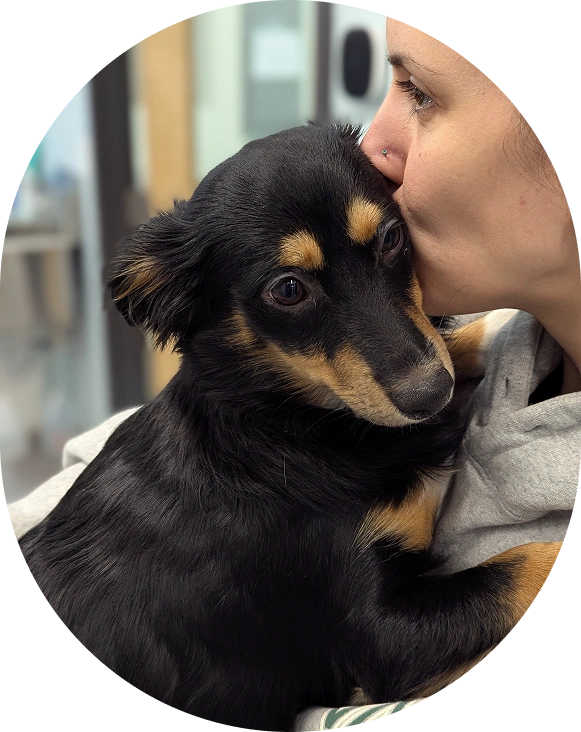
New Patient Offer: $45 first Exam with Dr. Martin!



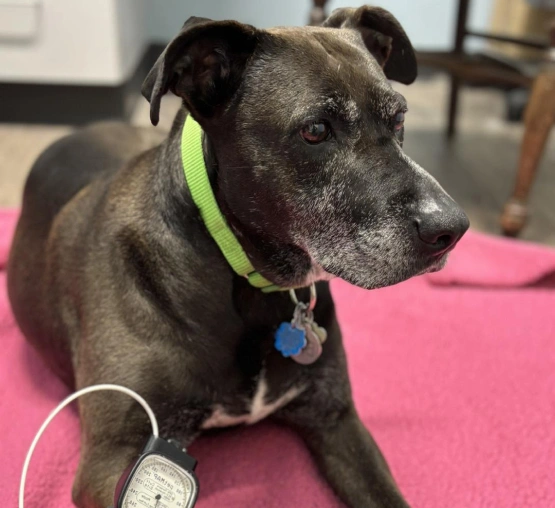

Gentle, Expert Care for Aging Pets
As our beloved pets age, their needs change and they require more specialized care. Just like humans, senior pets need extra attention and care to ensure they live a happy and healthy life.
When is My Dog or Cat Considered a Senior?
The age at which a pet is considered a senior can vary depending on their breed and size. Generally, dogs are considered seniors when they reach 7-10 years old and cats are considered seniors when they reach 10-12 years of age. However, larger breeds tend to age faster and may be considered seniors at a younger age.
It is important to consult with your veterinarian to determine when your specific pet should be considered a senior.
Why is Senior Pet Care Important?
As pets age, they become more susceptible to health issues such as arthritis, dental disease, and organ failure. Senior pet care is important because it allows for early detection and treatment of these issues, which can greatly improve the quality of life for your pet. Regular check-ups, lab work and screenings can also help prevent or delay the onset of age-related diseases.
What to Expect With Senior Pet Care
Senior pet care may involve more frequent visits to the veterinarian, as well as additional tests and screenings. We may recommend blood work, urinalysis, fecal exams, heartworm testing, x-rays, or other diagnostic tests to monitor your pet’s health and catch any potential issues early on.
A proper diet and suitable environment are also critical to your pet’s continued health and comfort. We may recommend modifications to your pet’s diet based on their specific needs, as well as an exercise regimen. Additionally, conditions such as arthritis are very common in older pets and new medications are available that are both safe and effective for pain management.
In addition to medical care, senior pets may also require more assistance with daily activities. This can include help with grooming, mobility, and even bathroom breaks. As a pet owner, it is important to be aware of any changes in your pet’s behavior or abilities and provide them with the necessary support and care.
Aging Signs & Symptoms
There are several things to watch out for to see if your pet is experiencing signs of aging.
- Change in water consumption
- Change in appetite
- Lethargy
- Increased urination
- Constipation
- Irritability
- Change in sleeping patterns
- Decreased vision
- Vomiting
- Diarrhea
- Weight gain
- Weight loss
- Bad breath
- Drooling
- Lumps and bumps
- Excessive panting
- Stiffness
- Difficulty jumping
- Difficulty with stairs
If you notice any of these, please call us to schedule a complete physical examination for your pet.