New Patient Offer: $45 first Exam with Dr. Martin!



Pet Care & Health Blog
Here at Middlesex Veterinary Center, we encourage pet owners to educate themselves on proper pet care and pet health problems by asking questions and finding answers from reliable, trusted sources of information. We are providing our clients access to LifeLearn Client Education library, a unique pet health education library, that strengthens the veterinary team’s role as animal health educators, and provides pet parents with easy-to-understand information.

What to Feed a 2-Month-Old Puppy (Vet-Approved Diet Plan)
By Middlesex Veterinary Center | February 10, 2026
Bringing home a young puppy is exciting, but it also comes with many responsibilities. One of the most important decisions you will make is choosing the right food. At eight weeks old, puppies grow rapidly, and their bodies need proper nutrition to develop strong bones, healthy muscles, and a balanced digestive system. A poor diet at this stage can affect
Read More

What Happens If You Never Clean Your Pet’s Teeth?
By Middlesex Veterinary Center | February 4, 2026
Many pet owners focus on feeding, grooming, and exercise. However, dental care often gets overlooked. At first glance, a little bad breath may not seem serious. Yet failing to clean your pet’s teeth can lead to painful disease and long-term health complications. Dogs and cats rely on healthy teeth and gums to eat comfortably, play, and stay active. When plaque
Read More

Natural Ways to Strengthen Your Puppy’s Immune System
By Middlesex Veterinary Center | January 25, 2026
Raising a healthy puppy is a rewarding but sometimes challenging experience. Puppies are naturally curious, energetic, and adorable—but their developing immune systems can make them more vulnerable to infections and illnesses. At Middlesex Veterinary Center, we understand how important it is to support your puppy’s health from the very beginning. This guide is especially helpful for pet owners in Littleton,
Read More

Common Diagnostic Tests Vets Use to Detect Hidden Illness
By Middlesex Veterinary Center | January 20, 2026
Here’s a comprehensive guide to understanding the common diagnostic tests vets use to detect hidden illness, designed to help pet owners make informed healthcare decisions. Diagnostic testing plays an essential role in identifying health concerns before they become serious, allowing for proactive care and long-term wellness. This guide is especially for pet owners in Littleton, MA, who want to ensure
Read More

Beyond the Four Walls: Is Preventive Care Necessary for Indoor Pets?
By Middlesex Veterinary Center | January 16, 2026
There is a common misconception among pet parents that the walls of their home act as an impenetrable shield against illness. It is easy to assume that if your cat never sets a paw on the grass, or if your small dog only ventures out for brief bathroom breaks on the patio, they are immune to the dangers that plague
Read More

Best Home Remedies for Itchy Dogs: Natural Relief for Skin Allergies
By Middlesex Veterinary Center | January 6, 2026
Skin allergies are one of the most common reasons dogs feel uncomfortable at home. Persistent scratching, licking, or rubbing against furniture can quickly turn from a mild annoyance into painful skin damage. For pet families in Littleton, MA, seasonal allergens, environmental factors, and diet sensitivities often play a role in ongoing itchiness. At Middlesex Veterinary Center, supporting your dog’s comfort
Read More

Veterinary Soft Tissue Surgery: Why Choosing an Experienced Vet Matters
By Middlesex Veterinary Center | December 23, 2025
Seeing your dog or cat limp after a playful tumble can spark panic. You want the safest, most effective way to restore their health, and that starts with the surgeon’s skill. This guide explains veterinary soft tissue surgery and shows why entrusting a seasoned veterinarian makes all the difference. With clear insights, you can feel confident in your decision and
Read More

Pet Dental Problems Explained: Causes, Warning Signs & Proven Prevention Tips
By Middlesex Veterinary Center | December 18, 2025
Your pet’s smile may be adorable, but what’s happening inside their mouth matters even more. Dental problems are one of the most common yet overlooked health issues in dogs and cats. Unfortunately, many pets suffer in silence until discomfort turns into serious illness. From bad breath to difficulty eating, dental disease can quietly affect your pet’s comfort, behavior, and overall
Read More

Anal Sac Disease in Dogs
By Middlesex Veterinary Center | April 16, 2025
What Are Anal Sacs? Anal sacs (also called anal glands) are two small glands just inside your pet’s anus. The material secreted into these glands is thick and foul-smelling. Most animals can empty these glands voluntarily for scent marking or in self-defense, like a skunk might do. Domestic animals have largely lost their ability to empty these sacs voluntarily. Walking
Read More
Anaplasmosis in Dogs
By Middlesex Veterinary Center | April 16, 2025
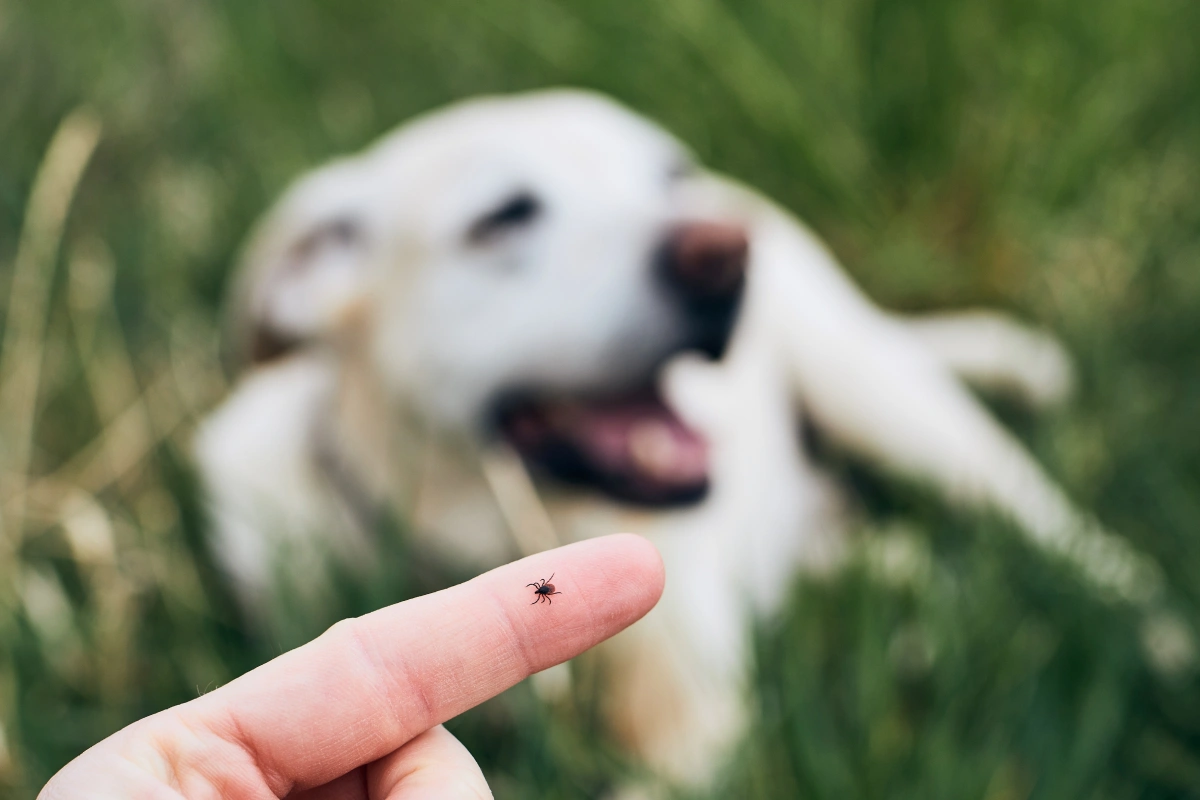
What is Anaplasma phagocytophilum? Anaplasma phagocytophilum is a bacterium that is transmitted by ticks and is the causative agent for canine anaplasmosis. These ticks include Ixodes scapularis and Ixodes pacificus, more commonly known as deer ticks, are the same organisms that carry Borrelia burgdorferi, the causative agent of Lyme disease. A. phagocytophilum can be transmitted to dogs, cats, horses and
Read More