New Patient Offer: $45 first Exam with Dr. Martin!



How Diagnostic Imaging Helps Identify Pet Health Problems

Understanding your pet’s health is not always as simple as observing external symptoms. Many conditions develop internally and may not show clear signs until they become more serious. Diagnostic imaging plays a crucial role in identifying these hidden issues early, allowing for more accurate diagnosis and effective treatment.
At Middlesex Veterinary Center, we understand how important it is to detect health problems before they progress. Diagnostic imaging tools such as X-rays and ultrasounds allow veterinarians to see inside your pet’s body without invasive procedures. These technologies are essential for evaluating injuries, diagnosing illnesses, and monitoring ongoing conditions.
This guide explains how diagnostic imaging works, the types commonly used in veterinary medicine, and how it supports better outcomes for pets. These insights can be especially helpful for pet owners in Littleton, MA, who want to better understand their pet’s health and the role of modern veterinary care.
What Is Diagnostic Imaging in Veterinary Care?
Diagnostic imaging refers to non-invasive techniques used to create visual representations of the inside of a pet’s body. These images help veterinarians assess organs, bones, and tissues that cannot be evaluated through a physical exam alone.
As part of comprehensive pet diagnostic care, imaging allows for earlier detection of health issues, which can lead to more successful treatment outcomes.
Common Types of Diagnostic Imaging for Pets
1. X-Rays (Radiographs)
X-rays are one of the most commonly used imaging tools in veterinary medicine. They are especially useful for examining:
- Broken bones or fractures
- Joint issues such as arthritis
- Lung conditions
- Foreign objects that may have been swallowed
X-rays provide quick results and are often the first step in diagnosing many conditions.
2. Ultrasound
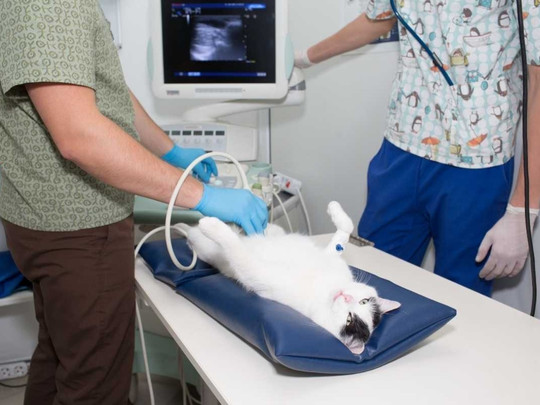
Ultrasound uses sound waves to create real-time images of internal organs. It is commonly used to evaluate:
- The heart and abdominal organs
- Pregnancy in pets
- Soft tissue structures
Unlike X-rays, ultrasounds are particularly helpful for viewing organs in motion and detecting abnormalities in soft tissues.
3. CT Scans (Computed Tomography)
CT scans provide detailed cross-sectional images of the body. They are often used for more complex cases, such as:
- Tumor detection
- Neurological conditions
- Detailed bone and joint analysis
This advanced imaging method offers greater precision when diagnosing complicated conditions.
4. MRI (Magnetic Resonance Imaging)
MRI scans are used to evaluate soft tissues, including the brain and spinal cord. They are especially valuable for diagnosing:
- Neurological disorders
- Spinal injuries
- Certain types of tumors
Although less commonly used than X-rays or ultrasounds, MRI can provide highly detailed information when needed.
How Diagnostic Imaging Helps Detect Health Problems
Early Detection of Disease
Many illnesses, such as tumors or internal infections, may not show visible symptoms in the early stages. Imaging allows veterinarians to identify these issues before they become severe.
Accurate Diagnosis
Diagnostic imaging helps confirm or rule out potential conditions, ensuring that pets receive the correct treatment.
Monitoring Ongoing Conditions
For pets with chronic illnesses, imaging can track the progression of a condition and evaluate how well treatments are working.
Guiding Treatment Plans
Clear images help veterinarians develop more effective treatment strategies, whether that involves medication, lifestyle changes, or surgery.
When Does Your Pet Need Diagnostic Imaging?
Your veterinarian may recommend imaging if your pet shows symptoms such as:
- Persistent limping or pain
- Difficulty breathing
- Unexplained weight loss
- Vomiting or digestive issues
- Behavioral changes
In many cases, imaging is used alongside other diagnostic tests to provide a complete picture of your pet’s health.
Is Diagnostic Imaging Safe for Pets?
Most diagnostic imaging procedures are safe and minimally invasive. X-rays use low levels of radiation, and precautions are taken to ensure your pet’s safety. Ultrasounds and MRIs do not use radiation at all.
In some cases, mild sedation may be recommended to keep your pet still during the procedure, ensuring accurate results and reducing stress.
The Role of Pet Owners in Diagnostic Care
Pet owners play an important role in recognizing early signs of illness and seeking timely veterinary care. Paying attention to changes in your pet’s behavior, appetite, or energy levels can help identify when diagnostic imaging may be needed.
Regular veterinary visits and open communication with your veterinarian are key components of effective pet diagnostic care.
Diagnostic imaging is a powerful tool that helps veterinarians identify health problems that may not be visible during a routine exam. From detecting injuries to diagnosing complex conditions, these technologies play a vital role in modern veterinary medicine.
At Middlesex Veterinary Center, we are committed to providing thorough and accurate diagnostic services to support your pet’s health. If you have concerns about your pet’s condition or believe diagnostic imaging may be needed, we encourage you to schedule your appointment with our experienced team.
For pet owners in Littleton, MA, early detection and proper diagnosis can make a significant difference in your pet’s quality of life and long-term well-being.
FAQs
Q1. What is the most common type of diagnostic imaging for pets?
Ans. X-rays are the most commonly used imaging method, especially for evaluating bones and detecting foreign objects.
Q2. Does diagnostic imaging hurt pets?
Ans. No, most imaging procedures are painless. Some pets may require mild sedation to remain still during the process.
Q3. How long does it take to get results?
Ans. In many cases, results from X-rays and ultrasounds are available quickly, sometimes the same day.
Q4. When should I consider imaging for my pet?
Ans. If your pet shows unusual symptoms such as pain, breathing issues, or changes in behavior, your veterinarian may recommend imaging.
Q5. Is diagnostic imaging expensive?
Ans. Costs vary depending on the type of imaging, but it is often a valuable investment in identifying and treating health issues early.