New Patient Offer: $45 first Exam with Dr. Martin!



What Happens If You Never Clean Your Pet’s Teeth?
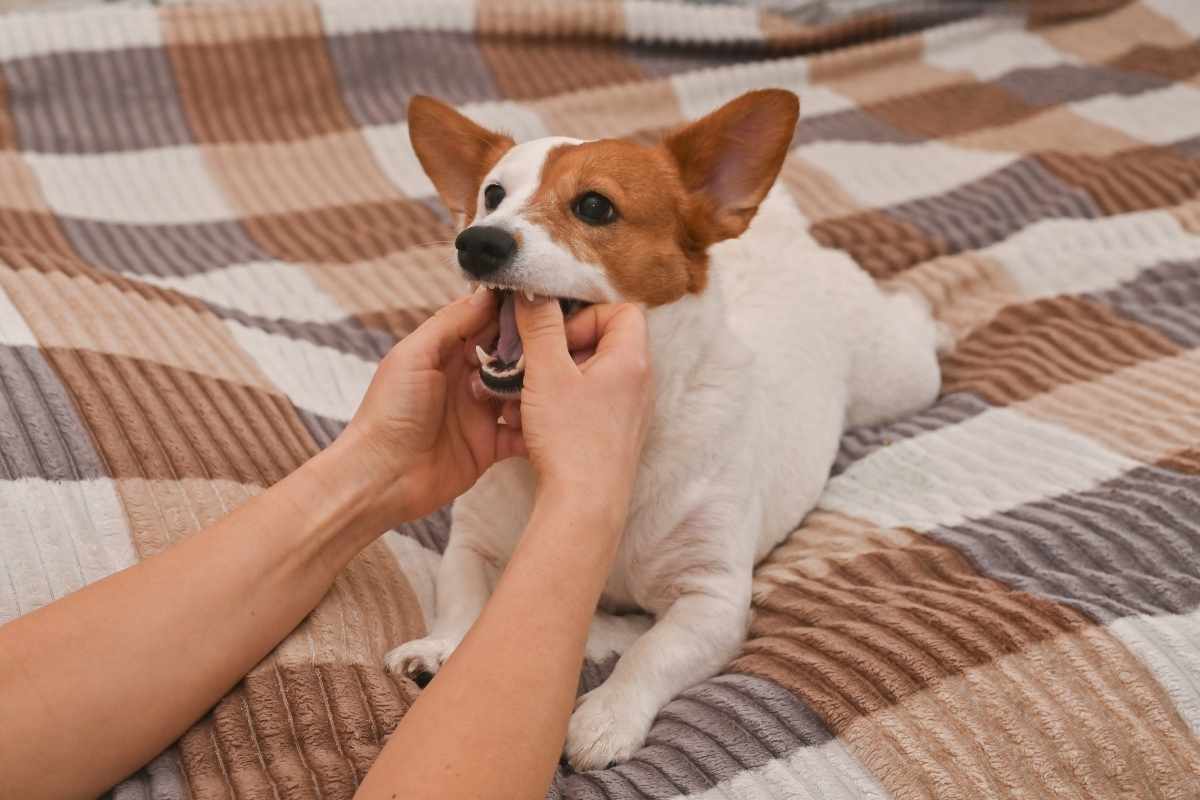
Many pet owners focus on feeding, grooming, and exercise. However, dental care often gets overlooked. At first glance, a little bad breath may not seem serious. Yet failing to clean your pet’s teeth can lead to painful disease and long-term health complications.
Dogs and cats rely on healthy teeth and gums to eat comfortably, play, and stay active. When plaque accumulates, bacteria spread quickly throughout the mouth. Over time, the problem goes beyond the teeth and begins affecting other parts of the body. Understanding the consequences helps you prevent unnecessary pain and expensive treatments.
In this guide, you’ll discover what occurs inside your pet’s mouth when dental care is neglected and how you can help prevent serious health problems. This information is particularly useful for pet owners in Littleton, MA.
The First Stage: Plaque Buildup
Within hours after eating, food particles mix with bacteria and saliva. Consequently, a sticky film called plaque forms on the teeth. If you do not brush or clean your pet’s teeth, plaque remains attached to the enamel.
At this stage, you may notice:
- Mild bad breath
- Slight yellowing on teeth
- Minimal discomfort
Although symptoms appear minor, plaque does not stay harmless. In fact, it hardens quickly.
Stage Two: Tartar Formation
After about 24–72 hours, plaque mineralizes into tartar (also called calculus). Unlike plaque, tartar cannot be removed with simple wiping or chewing toys. Instead, it bonds tightly to the tooth surface and collects near the gumline.
Because tartar is rough, it traps even more bacteria. As a result, your pet’s gums begin reacting with inflammation.
Signs now include:
- Stronger odor from the mouth
- Visible brown or yellow deposits
- Red gum edges
At this point, professional cleaning becomes necessary.
Stage Three: Gingivitis (Gum Disease Begins)
Gingivitis is the first true dental disease. The gums become swollen and irritated because bacteria attack the tissue surrounding the teeth.
Your pet may show:
- Bleeding gums
- Drooling
- Pawing at the mouth
- Sensitivity while eating
Even though gingivitis is reversible with treatment, many pets never receive care during this stage. Unfortunately, the disease then progresses deeper below the gumline.
Stage Four: Periodontal Disease
Periodontal disease is the most common medical condition in adult pets. Without treatment, bacteria destroy the tissues that hold teeth in place.
Now the infection spreads to:
- Tooth roots
- Jawbone
- Ligaments
Consequently, teeth loosen and may fall out. Chewing becomes painful, and pets often stop eating hard food.
You may notice:
- Refusal to chew toys
- Dropping food
- Weight loss
- Swelling near the jaw
At this stage, your veterinarian must perform a thorough dental procedure under anesthesia.
Pain Your Pet May Be Hiding
Pets instinctively hide discomfort. Therefore, owners often assume their animal feels fine. However, dental disease causes continuous pain.
Imagine having a severe toothache every day while trying to eat. Many pets still wag their tails and greet you happily, even while suffering.
Because of this, regular dental checks at an animal hospital are extremely important.
How Dental Disease Affects the Entire Body
The most serious consequence of never cleaning your pet’s teeth is not tooth loss—it is systemic infection.
Bacteria from infected gums enter the bloodstream. Then, they travel to major organs.
Heart
Bacteria can attach to heart valves and cause dangerous inflammation.
Kidneys
Toxins circulating in the blood may damage kidney function.
Liver
The liver filters bacteria, but constant exposure strains the organ.
Therefore, poor dental hygiene shortens a pet’s lifespan.
Behavioral Changes Caused by Dental Pain
Dental problems also affect mood and behavior. For example, pets may:
- Become irritable
- Avoid being touched near the face
- Sleep more
- Stop playing
- Refuse favorite treats
Owners sometimes mistake these signs for aging when the real cause is oral pain.
Prevention: Simple Habits That Protect Your Pet
Fortunately, dental disease is preventable. A few routine habits make a significant difference.
1. Brush Teeth Regularly
Daily brushing removes plaque before it hardens.
2. Dental Diets and Chews
Approved dental chews help reduce buildup.
3. Annual Professional Cleanings
Veterinarians clean below the gumline where home care cannot reach.
4. Routine Exams
Your veterinarian checks teeth, gums, and oral tissues for early disease.
At Middlesex Veterinary Center, veterinarians educate owners on home care and perform professional dental cleanings to protect pets’ health.
Warning Signs You Should Never Ignore
Contact your veterinarian immediately if you see:
- Persistent bad breath
- Bleeding gums
- Facial swelling
- Difficulty chewing
- Loose teeth
- Excessive drooling
Early treatment prevents severe complications.
Why Professional Dental Cleanings Matter
Even dedicated brushing cannot remove hardened tartar beneath the gums. Professional pet dental care allows the veterinarian to:
- Scale tartar
- Polish enamel
- Take dental X-rays
- Extract damaged teeth if necessary
A trusted animal hospital performs these procedures safely under monitored anesthesia.
Ignoring dental hygiene may seem harmless at first. However, plaque quickly becomes tartar, gingivitis, and eventually severe periodontal disease. Beyond tooth loss, infection can damage the heart, kidneys, and liver. Regular brushing and professional cleanings protect both comfort and longevity.
If you are in Littleton, MA, and looking for a veterinary clinic near you, consider scheduling a visit with Middlesex Veterinary Center so your pet can receive thorough dental care and stay healthy for years to come.
Frequently Asked Questions:
Q1. How often should I brush my pet’s teeth?
Ans. Daily brushing is ideal, but three times weekly still helps significantly.
Q2. Are dental chews enough?
Ans. No. Chews help but cannot replace brushing or professional cleanings.
Q3. At what age do pets develop dental disease?
Ans. Many pets show signs by age three.
Q4. Is bad breath normal in pets?
Ans. No. Persistent odor usually indicates infection.
Q5. Are professional cleanings safe?
Ans. Yes. Veterinarians monitor heart rate, oxygen, and temperature during the procedure.
Q6. Do cats need dental care too?
Ans. Absolutely. Cats frequently develop gum disease and tooth resorption.
Related Articles