New Patient Offer: $45 first Exam with Dr. Martin!



Vet Hunt Checklist for Busy Pet Parents
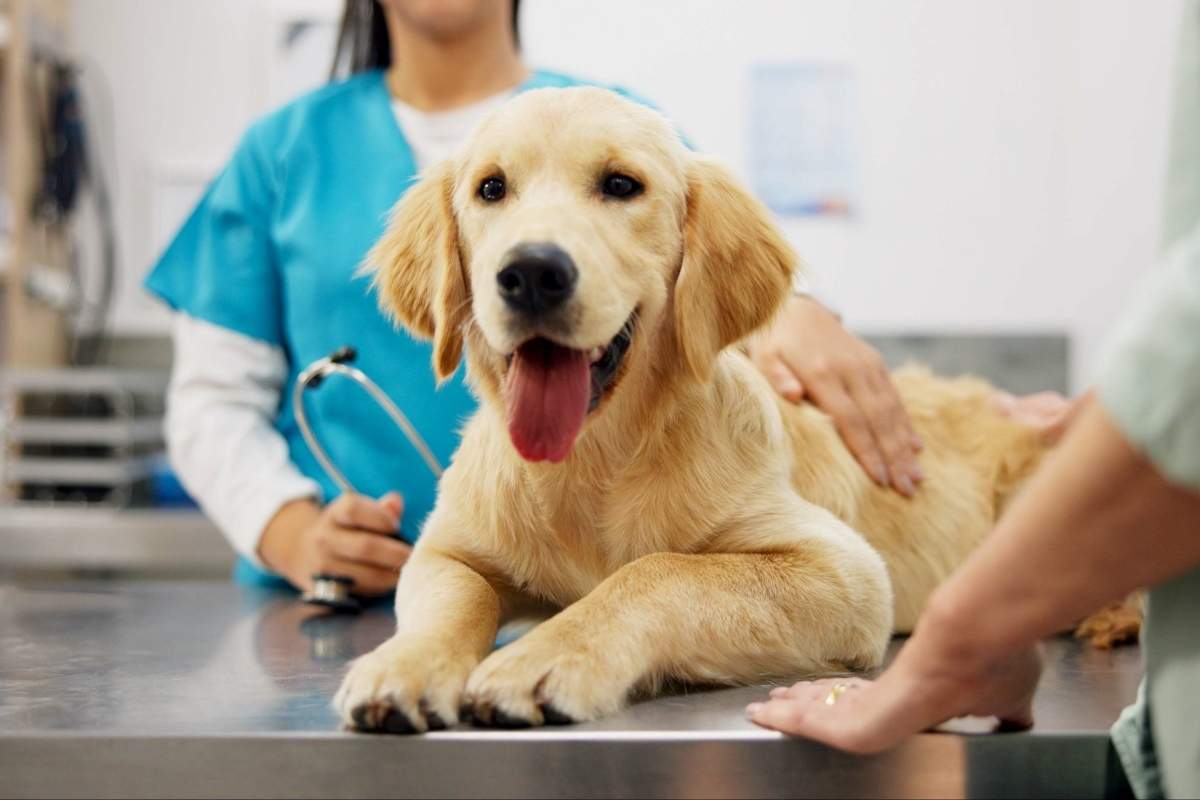
Life gets busy. Between work schedules, school routines, and family responsibilities, pet parents often postpone one important task—choosing the right veterinarian. However, waiting until an emergency happens makes the process stressful and rushed. Instead, preparing early with a practical vet hunt checklist helps you find trusted medical support before your pet needs it.
A veterinarian plays a vital role in your pet’s health. From routine exams to unexpected illnesses, your pet depends on professional guidance for healthy eyes, clean ears, strong teeth, and a healthy heart. Therefore, selecting the right clinic deserves careful planning rather than a quick online search.
This guide walks you through exactly how to evaluate clinics, ask the right questions, and feel confident in your decision. This guide is particularly useful for pet owners living in Littleton, MA.
Why Choosing the Right Veterinarian Matters
Your veterinarian becomes your partner in protecting your pet’s body throughout life. Regular visits support growth, nutrition, behavior, and disease prevention. In addition, early detection often saves money and prevents suffering.
Good veterinary care does more than treat illness. It helps prevent disease by monitoring the skin, coat, weight, joints, and internal health. A trusted clinic also provides guidance about diet, training, and preventive treatments.
Because pets age faster than humans, yearly exams are essential. A delay of even one year can mean missing early warning signs.
The Ultimate Vet Hunt Checklist
Use this step-by-step vet hunt checklist when searching for a veterinarian.
1. Check Location and Accessibility
Convenience matters more than most owners realize. During emergencies, travel time can make a difference. Choose a clinic close enough to reach quickly.
Also consider:
- Parking availability
- Traffic patterns
- Weekend hours
- After-hours emergency options
Busy families benefit from flexible scheduling.
2. Observe Cleanliness and Organization
When you visit a clinic, pay attention immediately to the environment.
Look for:
- Clean floors
- Fresh smells
- Organized reception desk
- Sanitized exam tables
Clean facilities often reflect attention to patient safety and hygiene.
3. Evaluate Staff Communication
Friendly staff members make visits easier for both pets and owners. Notice how they interact with your pet’s head, paws, and tail during handling.
A good team will:
- Speak calmly
- Explain procedures clearly
- Answer questions patiently
Communication builds trust and reduces anxiety for nervous animals.
4. Ask About Services Offered
A reliable clinic should provide comprehensive services, including:
- Wellness exams
- Vaccinations
- Dental cleanings
- Diagnostic testing
- Surgery
- Nutritional counseling
Comprehensive services allow continuity of veterinary care without visiting multiple facilities.
5. Review Emergency Capabilities
Emergencies rarely happen at convenient times. Therefore, ask:
- Do they handle urgent visits?
- Is there an after-hours contact number?
- Do they coordinate with emergency hospitals?
Preparedness matters, especially for busy households.
6. Meet the Veterinarian
Schedule a first consultation. Observe how the veterinarian interacts with your pet.
A trustworthy veterinarian will:
- Perform a full nose-to-tail exam
- Listen to the heart and lungs
- Check teeth and gums
- Examine eyes and ears
- Discuss nutrition
More importantly, they will explain findings in understandable language.
7. Understand Preventive Care Plans
Preventive medicine protects long-term health. Ask about wellness plans covering:
- Vaccines
- Parasite prevention
- Weight management
- Behavioral advice
Preventive care reduces emergency visits later.
8. Read Reviews Carefully
Online reviews help, but read them thoughtfully. Look for consistent patterns, not just one negative comment.
Reliable feedback often mentions:
- Compassion
- Clear explanations
- Gentle handling
- Organized scheduling
Preparing for the First Appointment
Once you select a clinic, prepare properly.
Bring:
- Previous medical records
- Vaccine history
- Current medications
- Diet information
Also, write down questions in advance. Busy parents often forget important concerns during appointments.
How Often Pets Need Checkups
Different life stages require different schedules:
Puppies and kittens: every 3–4 weeks initially
Adult pets: yearly exams
Senior pets: every 6 months
Frequent exams allow veterinarians to monitor weight, mobility, and organ health.
Signs You Chose the Right Clinic
You likely found the right place if:
- Your pet relaxes during visits
- Staff remembers your pet’s name
- The veterinarian explains clearly
- Follow-up calls occur after procedures
At Middlesex Veterinary Center, teams focus on building long-term relationships with families and pets.
Common Mistakes Pet Owners Make
Avoid these errors:
Waiting for illness: Choosing a clinic during an emergency leads to rushed decisions.
Choosing by price alone: Quality, communication, and experience matter more.
Skipping annual visits: Preventive visits catch disease early.
Planning ahead saves time and stress.
Local Considerations for Pet Owners
Weather changes, seasonal allergies, and outdoor activity patterns affect pets differently. Local veterinarians understand common environmental issues and provide tailored recommendations for flea, tick, and parasite prevention.
Establishing care early ensures you have support before problems arise.
Finding the right veterinarian does not have to feel overwhelming. By following a structured Vet hunt checklist, you can evaluate clinics confidently and choose a team that supports your pet’s health from head to tail. Planning ahead ensures your pet receives timely attention, preventive care, and compassionate treatment throughout life.
If you are in Littleton, MA, and looking for a veterinarian near you, contact us at Middlesex Veterinary Center to provide your pet with dependable, long-term support and personalized care.
Frequently Asked Questions:
Q1. When should I start searching for a veterinarian?
Ans. Before adopting a pet or immediately after bringing one home.
Q2. How long should a wellness exam take?
Ans. Usually 20–40 minutes, depending on your pet’s needs.
Q3. Should indoor pets still visit the vet?
Ans. Yes. Indoor pets still develop dental and weight problems.
Q4. Can I switch veterinarians later?
Ans. Yes. You can request records transferred anytime.
Q5. What if my pet is nervous?
Ans. Choose clinics experienced with gentle handling techniques.
Q6. How often should vaccines be updated?
Ans. Your veterinarian will create a customized schedule based on age and lifestyle.