New Patient Offer: $45 first Exam with Dr. Martin!



Diabetes in Dogs and Cats: Early Warning Signs, Testing, and Diagnosis

Diabetes mellitus is a chronic condition that affects how a dog’s or cat’s body regulates blood sugar (glucose). It develops when the body does not produce enough insulin or cannot use insulin effectively. Without proper management, elevated blood glucose levels can affect several organs and lead to serious complications. Recognizing early symptoms and seeking appropriate testing can help pets receive timely care.
At Middlesex Veterinary Center, diagnostic evaluations help identify health concerns that may affect your pet’s well-being. Understanding how diabetes develops, which warning signs to watch for, and how veterinary testing works can help pet owners make informed decisions about their animals’ health and pet diagnostic care needs.
What Causes Diabetes in Dogs and Cats?
Insulin is a hormone produced by the pancreas that helps glucose move from the bloodstream into cells for energy. When insulin production or function is impaired, glucose builds up in the blood.
Diabetes can develop in both dogs and cats, although its patterns differ. Most diabetic dogs have insulin deficiency, while many diabetic cats experience insulin resistance associated with obesity and other metabolic factors.
Potential risk factors include:
- Excess body weight, particularly in cats.
- Older age.
- Pancreatic disorders.
- Certain hormonal conditions.
- Genetic predisposition.
- Long-term use of certain medications, such as corticosteroids.
What Are the Early Warning Signs of Diabetes in Pets?
Early symptoms can develop gradually, making them easy to overlook. Watch for these common changes:
1. Increased Thirst and Urination
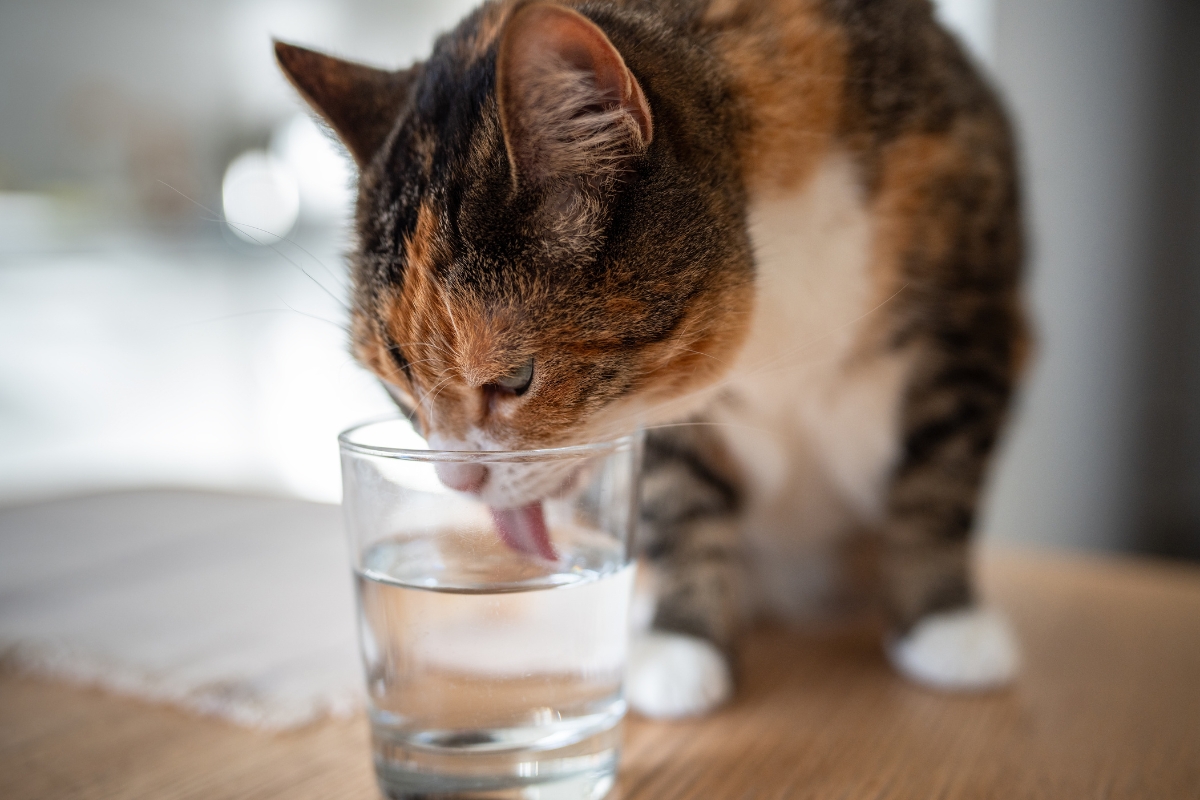
Excess glucose in the bloodstream can cause the kidneys to eliminate more glucose through urine. This draws additional water into the urine, resulting in increased urination and thirst.
2. Increased Appetite
Some diabetic pets eat more than usual because their cells cannot use glucose efficiently for energy, even when blood sugar levels are elevated.
3. Unexplained Weight Loss
Despite having a normal or increased appetite, diabetic pets may lose weight because their bodies begin using stored fat and muscle for energy.
4. Low Energy and Weakness
Changes in energy levels, reduced activity, and unusual tiredness may occur as the body struggles to use glucose effectively.
5. Changes in Walking or Vision
Some diabetic cats develop weakness in their hind legs and may walk with their hocks closer to the ground. Dogs with diabetes may develop cataracts, which can cause cloudy eyes and impaired vision.
How Is Diabetes Diagnosed in Dogs and Cats?
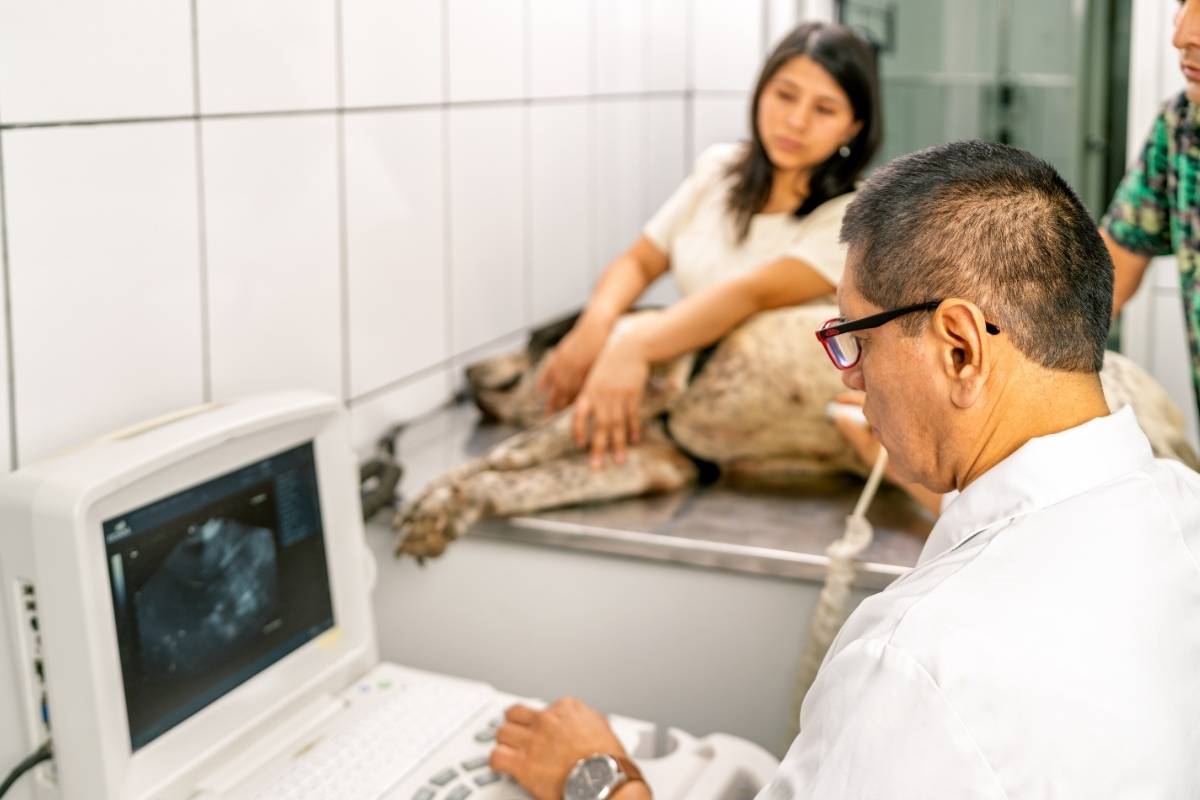
Veterinary diagnosis involves evaluating symptoms alongside laboratory findings. Several tests may be recommended.
Blood Glucose Testing
A blood glucose test measures the amount of sugar circulating in the bloodstream. Persistently elevated blood glucose levels can indicate diabetes. However, stress can temporarily increase blood sugar in cats, so results must be interpreted alongside other findings.
Urinalysis
A urine test checks for glucose and ketones. Glucose in the urine can support a suspected diabetes diagnosis, while ketones may indicate a potentially serious complication requiring prompt attention.
Fructosamine Testing
Fructosamine measures average blood glucose levels over approximately the previous two to three weeks. It can help distinguish persistent high blood sugar from temporary stress-related elevations, particularly in cats.
Additional Blood Work
A complete blood count and blood chemistry profile may help assess organ function, hydration, and other health concerns. These tests can also identify conditions that may occur alongside diabetes.
Why Is Early Diabetes Detection Important?
Early diagnosis allows veterinary professionals to develop a management plan before complications become more severe. Untreated diabetes can lead to diabetic ketoacidosis (DKA), a potentially life-threatening condition.
Warning signs of DKA include vomiting, dehydration, loss of appetite, severe weakness, and unusual breathing. These symptoms require immediate veterinary attention.
Recognizing changes in thirst, appetite, urination, and body weight can help identify diabetes in dogs and cats. Blood glucose testing, urinalysis, and additional laboratory evaluations provide important information for confirming the condition and assessing overall health.
If you are looking for reliable pet diagnostic care in Littleton, MA, Middlesex Veterinary Center offers in-house laboratory testing, including blood and urine analysis, to help investigate health concerns. Schedule your appointment with our team to discuss your pet’s symptoms and determine which diagnostic tests may be appropriate.
Frequently Asked Questions
Q1. Can diabetes be detected through a routine blood test in dogs and cats?
Ans: Yes. Blood glucose testing can identify elevated blood sugar levels. Additional testing, such as urinalysis or fructosamine measurement, may be recommended to confirm the diagnosis.
Q2. How does Middlesex Veterinary Center help diagnose diabetes in dogs and cats?
Ans: The hospital offers in-house laboratory testing, including blood and urine analysis. These tests help evaluate blood glucose levels, detect glucose in urine, and investigate abnormalities that may indicate diabetes.
Q3. Can a urine test confirm diabetes in pets?
Ans: A urinalysis can identify glucose and ketones in urine, which provide important diagnostic information. However, urine testing alone is not sufficient to confirm diabetes. Blood testing and clinical evaluation are also important.
Q4. How does Middlesex Veterinary Center investigate increased thirst and urination in pets?
Ans: The veterinary team can evaluate these symptoms through a physical examination and appropriate laboratory testing. Blood work and urinalysis help investigate possible causes, including diabetes and kidney disease.
Q5. Can diabetes in cats be reversed with early treatment?
Ans: Some diabetic cats can achieve diabetic remission, meaning their blood glucose levels return to a non-diabetic range without insulin. However, remission is not guaranteed, and continued monitoring remains important.
Q6. When should I contact Middlesex Veterinary Center about possible diabetes symptoms?
Ans: Contact the hospital if your pet develops increased thirst, frequent urination, unexplained weight loss, or changes in appetite. Vomiting, severe weakness, or loss of appetite may indicate a serious complication and require immediate veterinary attention.