New Patient Offer: $45 first Exam with Dr. Martin!



Coccidia in Cats: Symptoms, Causes, Treatment & Prevention
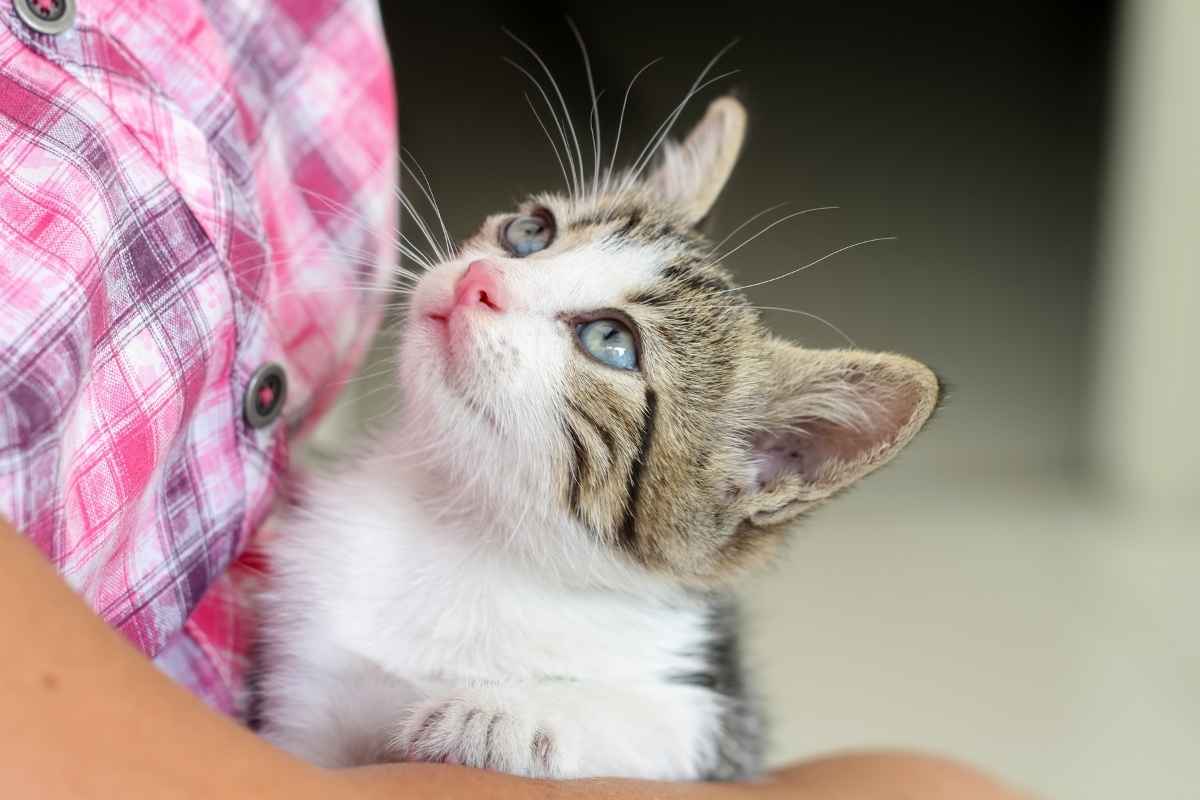
Coccidia is a microscopic parasite that infects the intestinal lining of cats, often causing diarrhea and digestive distress. While many adult cats carry the parasite without showing symptoms, kittens and immunocompromised felines can develop severe illness that demands prompt veterinary care. Recognizing the warning signs early helps prevent dehydration and secondary complications that could endanger your pet.
At Middlesex Veterinary Center, we understand how concerning intestinal parasites can be for pet owners. Our team offers thorough pet diagnostic services to identify coccidia and other hidden threats to your cat’s health.
What Is Coccidia?
Coccidia are single-celled protozoan parasites that belong to the genus Isospora. These organisms reproduce inside the cells lining a cat’s intestines, eventually destroying those cells and causing inflammation. The parasite spreads through oocysts, which are shed in the feces of infected animals and can survive in the environment for extended periods under the right conditions.
The life cycle of coccidia is complex. After a cat ingests infective oocysts, the parasites invade intestinal cells and undergo multiple rounds of reproduction. New oocysts are then passed in the stool, where they become infectious to other cats within hours to days. This rapid turnaround makes environmental contamination a persistent challenge for pet owners and shelters alike. Because oocysts are resistant to many common disinfectants and can remain viable in moist soil for months, controlling outbreaks requires persistent effort and veterinary guidance.
How Do Cats Get Coccidia?
The most common route of transmission is fecal-oral contact. Kittens often become infected after nursing from a mother who carries the parasite, though direct transmission through milk is less common than environmental exposure. Cats who hunt rodents or birds may also ingest infected tissue, introducing the parasite into their own digestive system.
Multi-cat households, shelters, and breeding facilities face higher risks due to shared litter boxes and close quarters. Outdoor cats encounter contaminated soil more frequently than strictly indoor cats. Even diligent owners can inadvertently track oocysts indoors on shoes or clothing. Stressful events such as moving, boarding, or introducing new pets can weaken the immune system and allow dormant infections to flare, increasing shedding and transmission. Warm, humid conditions accelerate oocyst sporulation, making spring and summer months particularly risky for outdoor cats in New England.
Symptoms of Coccidia in Cats
Many healthy adult cats show no outward signs of infection. However, when symptoms do occur, they primarily affect the gastrointestinal system and can range from mild to life-threatening depending on the cat’s age and immune status.
Mild Cases
In mild infections, cats may develop soft stools or intermittent diarrhea. Some cats experience slight lethargy or a modest decrease in appetite. These subtle changes often go unnoticed, especially in households with multiple pets where individual litter box habits are harder to monitor. Owners might attribute mild loose stools to dietary indiscretion rather than parasitic infection, which delays proper treatment.
Severe Cases
Kittens and cats with weakened immune systems are far more vulnerable to severe disease. Affected cats may produce watery, bloody, or mucoid diarrhea accompanied by a strong odor. Vomiting, dehydration, weight loss, and abdominal pain can follow quickly. Young kittens are especially at risk because their small body size allows dehydration and electrolyte loss to progress rapidly. In some cases, kittens may develop rectal prolapse from prolonged straining, which constitutes a surgical emergency requiring immediate attention. Without intervention, severe coccidiosis can lead to profound metabolic disturbances and death.
Diagnosing Coccidia
Accurate diagnosis requires more than observing symptoms because diarrhea has numerous potential causes. Veterinarians typically perform a fecal flotation test, which involves mixing a stool sample with a special solution that causes oocysts to float to the top for microscopic identification. In some cases, repeated testing is necessary because shedding occurs intermittently, and a single negative sample does not rule out infection.
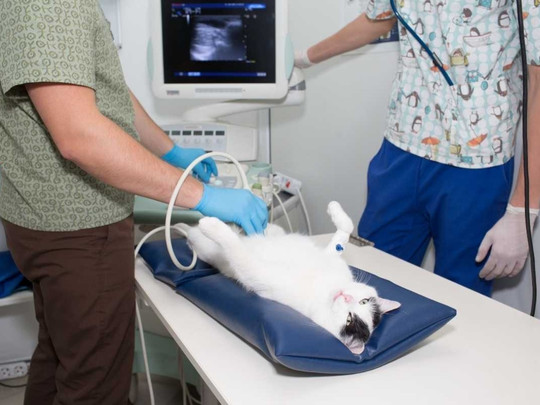
At our practice, Pet Diagnostic Services include comprehensive fecal examinations and follow-up testing to confirm the parasite’s presence and monitor treatment response. Early detection allows for faster intervention and reduces the risk of environmental contamination. If your cat’s symptoms persist despite initial treatment, additional diagnostics such as bloodwork, abdominal imaging, or PCR testing may be recommended to rule out coexisting conditions such as inflammatory bowel disease or bacterial overgrowth.
Treatment Options
Veterinarians commonly prescribe sulfadimethoxine, a sulfa-class antibiotic that targets coccidia by interfering with the parasite’s ability to reproduce. Treatment typically lasts five to twenty days depending on the severity of infection. Ponazuril and toltrazuril represent newer alternatives that veterinarians may use with excellent efficacy and shorter dosing schedules, which improve compliance for busy pet owners.
Supportive care remains equally important during treatment. Cats with severe diarrhea often require subcutaneous or intravenous fluid therapy to correct dehydration and restore electrolyte balance. Your veterinarian may also recommend a bland diet, gastrointestinal protectants, or probiotic supplementation to help restore healthy gut flora. Owners should never attempt to treat coccidia with over-the-counter dewormers designed for roundworms or tapeworms, as these products do not affect protozoan parasites and may delay appropriate care. All cats in the household should be tested, and asymptomatic carriers may need treatment to prevent reinfection and continuous environmental shedding.
Prevention Strategies
Preventing coccidia requires a multi-layered approach focused on hygiene, environmental control, and routine veterinary care. Scoop litter boxes daily and disinfect them weekly with ammonia-based cleaners, which are more effective against oocysts than standard bleach solutions. Wash food and water bowls regularly, and prevent cats from hunting rodents or birds when possible.
New kittens should visit the veterinarian promptly for fecal testing and deworming as part of their initial wellness series. Quarantine new cats before introducing them to resident pets, and maintain separate litter boxes until health status is confirmed. Regular wellness examinations help catch parasitic infections before they progress to severe illness. Keeping your cat’s living area dry and clean significantly reduces the number of infective oocysts in the environment. Prompt removal of feces from litter boxes and outdoor areas breaks the life cycle before oocysts become infective, which is the single most effective step owners can take at home.
Coccidia is a common intestinal parasite that can cause significant illness in vulnerable cats, particularly kittens. By recognizing symptoms early, pursuing accurate diagnosis, and following through with prescribed treatment, pet owners can protect their cats from serious complications. Environmental hygiene and routine veterinary screening form the backbone of effective prevention.
If you live in Littleton, MA, and suspect your cat may be infected, we encourage you to review our detailed overview of feline coccidiosis and schedule your appointment with Middlesex Veterinary Center today.
FAQs
Q1. Can coccidia spread from cats to humans?
Ans. The species of coccidia that infect cats are generally not transmissible to humans. However, cats can carry other zoonotic parasites such as Toxoplasma, so practicing good hygiene after handling litter boxes remains important for all pet owners.
Q2. How long does it take to treat coccidia in cats?
Ans. Treatment duration typically ranges from five to fourteen days depending on the medication chosen and the severity of infection. Some veterinarians extend therapy or repeat fecal tests to ensure the parasite has been fully eliminated before discontinuing medication.
Q3. Can indoor cats get coccidia?
Ans. Yes, indoor cats can become infected if they contact contaminated litter boxes, shoes, or objects brought in from outside. Strict indoor status reduces risk but does not eliminate it entirely, particularly in multi-cat households where shared resources facilitate transmission.
Q4. What does coccidia poop look like in cats?
Ans. Infected cats often produce watery diarrhea that may contain blood or mucus. The stool frequently has an unusually strong or foul odor. However, not all infected cats display visible changes, which is why fecal testing is essential for accurate diagnosis.
Q5. Is coccidia contagious to other pets in the home?
Ans. Yes, coccidia can spread between cats sharing litter boxes or living spaces. Dogs cannot typically contract feline-specific Isospora species, but they may carry oocysts on their fur and paws, contributing to environmental contamination that affects cats.
Q6. Can coccidia go away on its own without treatment?
Ans. Some healthy adult cats may clear mild infections without medication, but this is unpredictable and risky. Kittens almost always require treatment because their immune systems are immature. Veterinary intervention ensures proper management, prevents dangerous dehydration, and reduces environmental spread.