New Patient Offer: $45 first Exam with Dr. Martin!



Why Is My Cat Drinking So Much Water? Causes and Diagnostic Tests
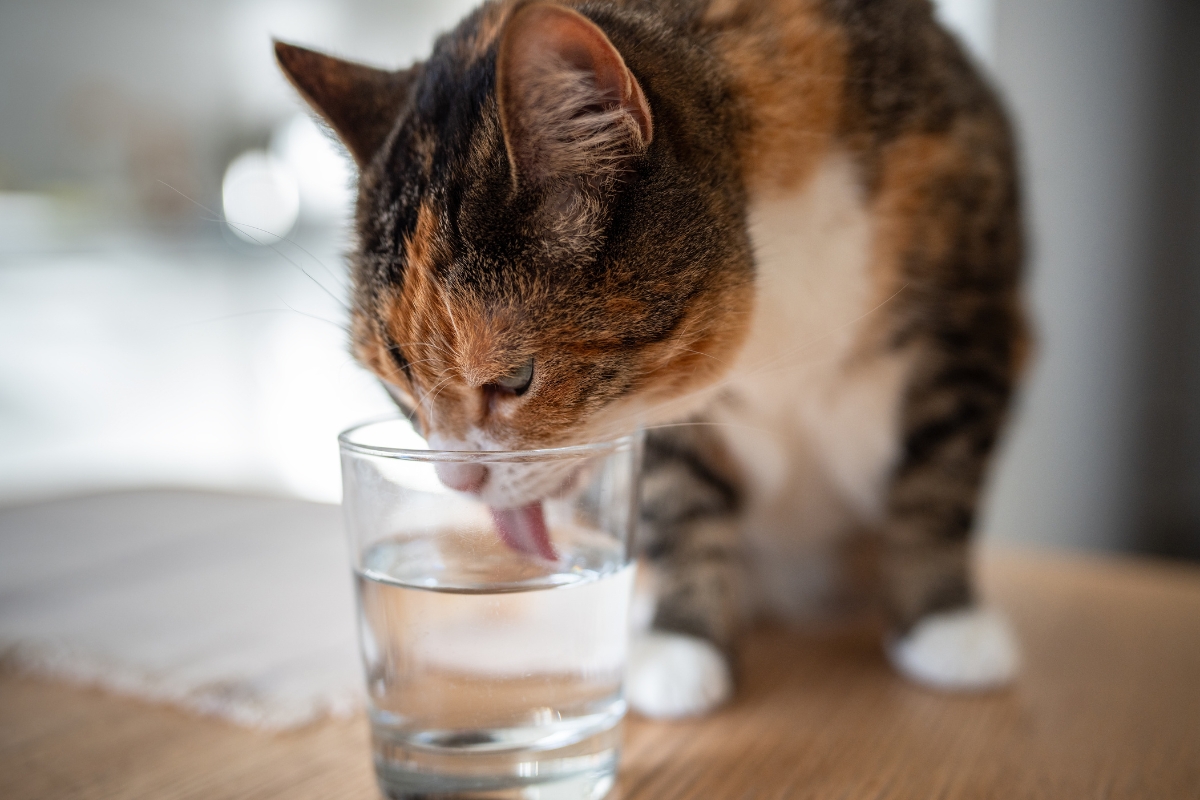
Have you noticed your cat visiting the water bowl more often or drinking larger amounts than usual? While staying hydrated is essential, excessive thirst can sometimes indicate an underlying health problem. Conditions such as kidney disease, diabetes, and hyperthyroidism may cause cats to drink more water and urinate frequently.
Cats often hide signs of illness, making changes in everyday habits particularly important. Increased thirst may appear before more noticeable symptoms develop.
For cat owners in Littleton, recognizing these changes can help protect their pets from serious health complications. Understanding the possible causes and available diagnostic tests can help you decide when veterinary attention is necessary.
How Much Water Should a Cat Drink Daily?
A cat’s water requirements depend on its weight, diet, activity level, and environment. Generally, cats need approximately 40–60 milliliters of total water per kilogram of body weight daily.
Cats eating wet food often drink less because their meals contain substantial moisture. Those eating dry food typically drink more.
However, a sudden or persistent increase in water consumption deserves attention.
Signs Your Cat May Be Drinking Too Much Water
Watch for these changes:
- Refilling the water bowl more frequently.
- Larger or more numerous urine clumps in the litter box.
- Drinking from faucets, sinks, or unusual places.
- Increased thirst accompanied by weight loss.
- Frequent urination or changes in appetite.
If these changes continue without an obvious explanation, schedule a veterinary examination.
What Causes Excessive Thirst in Cats?
Several medical conditions can affect your cat’s hydration needs. Identifying the underlying cause is important because different conditions require different treatments.
Chronic Kidney Disease
Chronic kidney disease is a common cause of excessive thirst, particularly in older cats.
Healthy kidneys filter waste from the bloodstream while conserving water. When kidney function declines, the kidneys may struggle to concentrate urine.
Consequently, affected cats produce larger amounts of urine and drink more water to replace lost fluids.
Other symptoms include:
- Gradual weight loss.
- Reduced appetite.
- Vomiting or nausea.
- Poor coat condition.
- Decreased activity.
Although chronic kidney disease is usually irreversible, early diagnosis can help manage symptoms and maintain quality of life.
Diabetes Mellitus
Diabetes develops when a cat’s body cannot produce enough insulin or use it effectively. Elevated blood glucose levels cause excess sugar to enter the urine, drawing additional water with it. This increases urination and thirst.
Common symptoms include:
- Excessive drinking and urination.
- Weight loss despite increased appetite.
- Reduced energy.
- Weakness in the hind legs.
Blood and urine testing can help determine whether diabetes is responsible.
Hyperthyroidism
Hyperthyroidism occurs when the thyroid gland produces excessive hormones. It primarily affects middle-aged and older cats. These hormones accelerate metabolism and can cause several noticeable changes.
Symptoms may include:
- Increased thirst and urination.
- Weight loss despite eating more.
- Restlessness or increased vocalization.
- Vomiting or diarrhea.
- Rapid heartbeat.
A thyroid hormone blood test can help confirm the condition.
Urinary Tract and Kidney Infections
Certain urinary infections, particularly kidney infections, may contribute to increased drinking. Bladder infections more commonly cause frequent attempts to urinate rather than increased total urine production.
Watch for:
- Frequent litter box visits.
- Straining while urinating.
- Blood in the urine.
- Urinating outside the litter box.
Important: If your cat repeatedly strains but produces little or no urine, seek emergency veterinary care immediately. Urinary obstruction can become life-threatening, especially in male cats.
Dietary Changes and Other Conditions
Not every increase in thirst indicates disease.
Cats may drink more after switching from wet food to dry food, during warmer weather, or because of certain medications.
Liver disease, elevated blood calcium, and other metabolic disorders can also affect drinking habits. Persistent changes should be evaluated rather than attributed to diet or temperature alone.
What Diagnostic Tests Help Identify Excessive Thirst?
Our vets begin by reviewing your cat’s symptoms, medical history, diet, and medications. A physical examination helps assess hydration, body condition, and other possible abnormalities.
Depending on the findings, several tests may be recommended.
Blood Tests
Bloodwork helps evaluate organ function and identify metabolic problems.
Testing may measure:
- Kidney-related waste products.
- Blood glucose levels.
- Liver enzymes.
- Electrolytes and calcium.
- Thyroid hormone levels.
These results help identify possible causes and determine whether further investigation is necessary.
Urinalysis
Urinalysis evaluates urine concentration and checks for glucose, protein, blood, and signs of inflammation. It is particularly useful when investigating increased thirst and urination. A urine culture may also be recommended if a bacterial infection is suspected.
Thyroid Testing
A total T4 blood test measures thyroid hormone levels. This test is especially useful for older cats experiencing increased thirst, weight loss, or changes in appetite.
Diagnostic Imaging
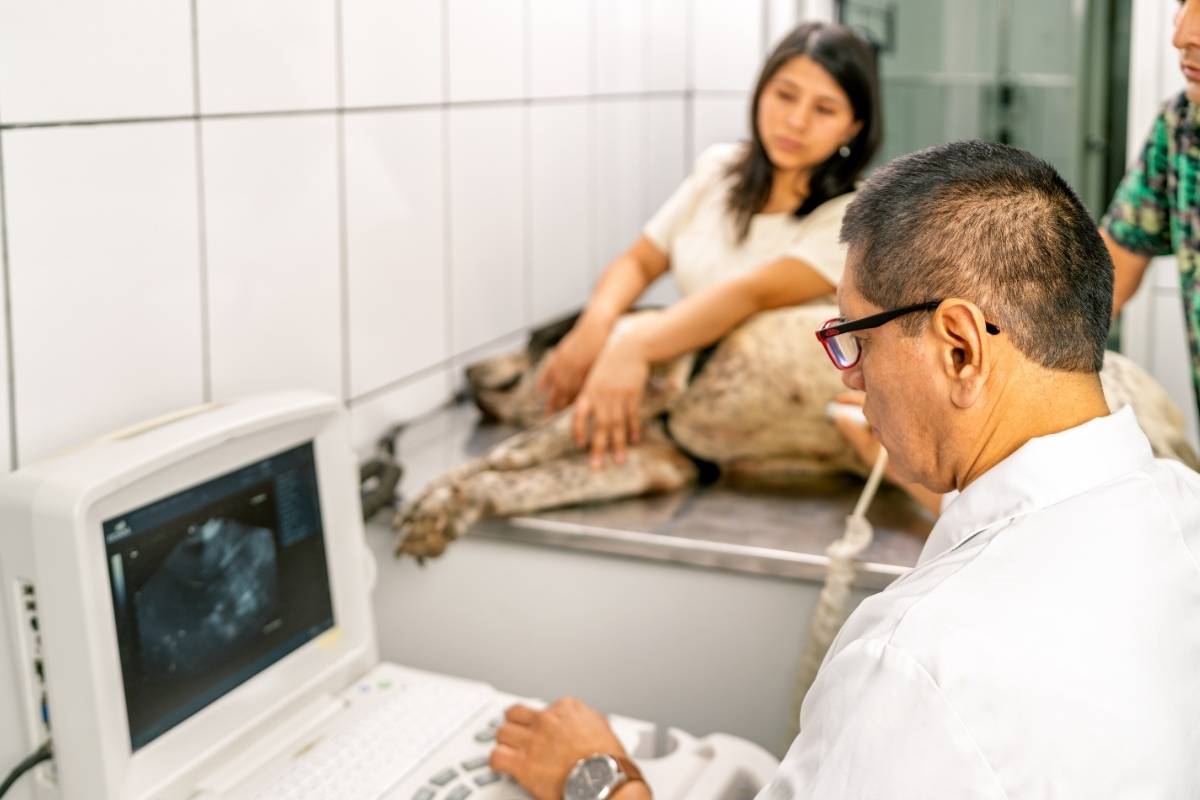
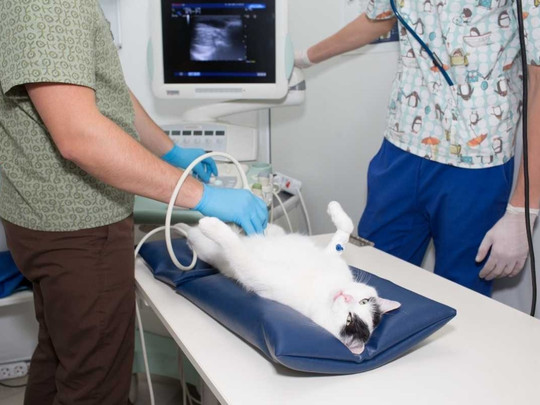
Sometimes, laboratory results indicate that additional investigation is needed. Ultrasound can help veterinarians examine the kidneys, bladder, liver, and other abdominal organs. Digital X-rays may reveal changes in organ size or certain urinary stones.
At our veterinary practice in Littleton, diagnostic services help our vets investigate internal health concerns and determine appropriate next steps.
Why Diagnostics for Pets Is Important for Early Detection
Cats can develop medical conditions gradually without showing obvious discomfort. This makes pet diagnostics valuable when unusual drinking habits first appear.
Bloodwork, urinalysis, and imaging can help distinguish between conditions that share similar symptoms. For example, diabetes and kidney disease can both cause increased thirst, but their treatments differ considerably. Early identification allows our vets to recommend appropriate care, monitor changes, and address complications before they become more serious.
How Is Excessive Thirst Treated in Cats?
Treatment depends on the underlying diagnosis and your cat’s overall health.
- Kidney disease: Prescription diets, hydration support, medications, and regular monitoring may help.
- Diabetes: Insulin therapy, dietary management, and glucose monitoring are commonly recommended.
- Hyperthyroidism: Treatment options include medication, radioactive iodine therapy, surgery, or an iodine-restricted prescription diet.
- Bacterial urinary infections: Antibiotics may be prescribed when testing confirms an infection.
- Other metabolic conditions: Treatment focuses on managing the specific disorder.
Follow-up examinations help veterinarians evaluate treatment response and adjust care when necessary.
How Can You Monitor Your Cat’s Water Intake at Home?
Monitoring daily habits can provide useful information before your veterinary appointment.
- Measure water consumption: Track how much water your cat drinks over 24 hours when possible.
- Check the litter box: Watch for changes in urine volume and frequency.
- Monitor appetite and weight: Record unexplained weight loss or changes in eating habits.
- Observe behavior: Pay attention to vomiting, weakness, or reduced activity.
- Keep fresh water available: Never restrict drinking water without veterinary instructions.
If your cat develops persistent excessive thirst, contact your veterinarian rather than waiting for additional symptoms.
Protect Your Cat’s Health With Timely Veterinary Attention
Increased thirst may seem like a minor change, but it can be an early warning sign of an underlying medical condition. Recognizing unusual drinking habits and seeking veterinary attention can help prevent complications and protect your cat’s long-term health.
At Middlesex Veterinary Center, our vets provide diagnostic evaluations to identify potential health concerns and recommend appropriate treatment. We focus on understanding your cat’s symptoms and helping you make informed decisions about its care.
If your cat is drinking more water than usual, contact Middlesex Veterinary Center in Littleton today. Call 978-952-8500 to schedule an appointment and take the next step toward protecting your cat’s health.
Frequently Asked Questions
Q1. Why Is My Cat Suddenly Drinking More Water?
Ans. Sudden increased thirst may result from dietary changes, warmer temperatures, kidney disease, diabetes, or hyperthyroidism. Persistent changes require veterinary evaluation to identify the cause.
Q2. Can a Cat Have Kidney Disease Without Showing Other Symptoms?
Ans. Yes. Cats with early kidney disease may continue eating and behaving normally. Increased thirst and urination can appear before noticeable weight loss or appetite changes.
Q3. Should I Restrict My Cat’s Water If It Drinks Too Much?
Ans. No. Restricting water can cause dehydration, particularly when an underlying condition increases fluid loss. Always provide fresh drinking water.
Q4. Where Can I Get My Cat Tested for Excessive Thirst in Littleton?
Ans. Middlesex Veterinary Center provides diagnostic care for cats in Littleton. Our vets can perform examinations and recommend bloodwork, urinalysis, or imaging to investigate excessive thirst.
Q5. Can Middlesex Veterinary Center Check My Senior Cat for Kidney Disease?
Ans. Yes. At Middlesex Veterinary Center, our vets can evaluate senior cats through physical examinations, blood tests, and urinalysis. Additional testing may be recommended based on the findings.
Q6. How Can Middlesex Veterinary Center Help If My Cat Is Drinking More Water and Losing Weight?
Ans. At Middlesex Veterinary Center, our vets can investigate these symptoms through diagnostic testing. Results help identify possible conditions such as diabetes, kidney disease, or hyperthyroidism and guide treatment recommendations.