New Patient Offer: $45 first Exam with Dr. Martin!



Pet Recovery at Home: How to Create a Calm, Safe Space

Bringing your pet home after surgery, an injury, or treatment can feel reassuring, but recovery does not end when you leave the veterinary hospital. The home environment can play an important role in keeping your dog or cat comfortable and preventing unnecessary activity while the body heals.
A calm recovery area should be quiet, clean, easy to supervise, and protected from stairs, jumping, rough play, and household traffic. Pet parents should also follow the discharge instructions provided for their individual pet. At Middlesex Veterinary Center, we help families understand what their pets may need after treatment and when additional vet care should be considered during recovery.
What Does a Safe Pet Recovery Space Look Like?
The ideal setup depends on your pet’s condition and your veterinarian’s instructions. In general, choose a quiet room or confined area away from busy hallways, children, visitors, and other animals.
Set up the space before your pet comes home when possible. Include:
- A clean, comfortable bed at floor level
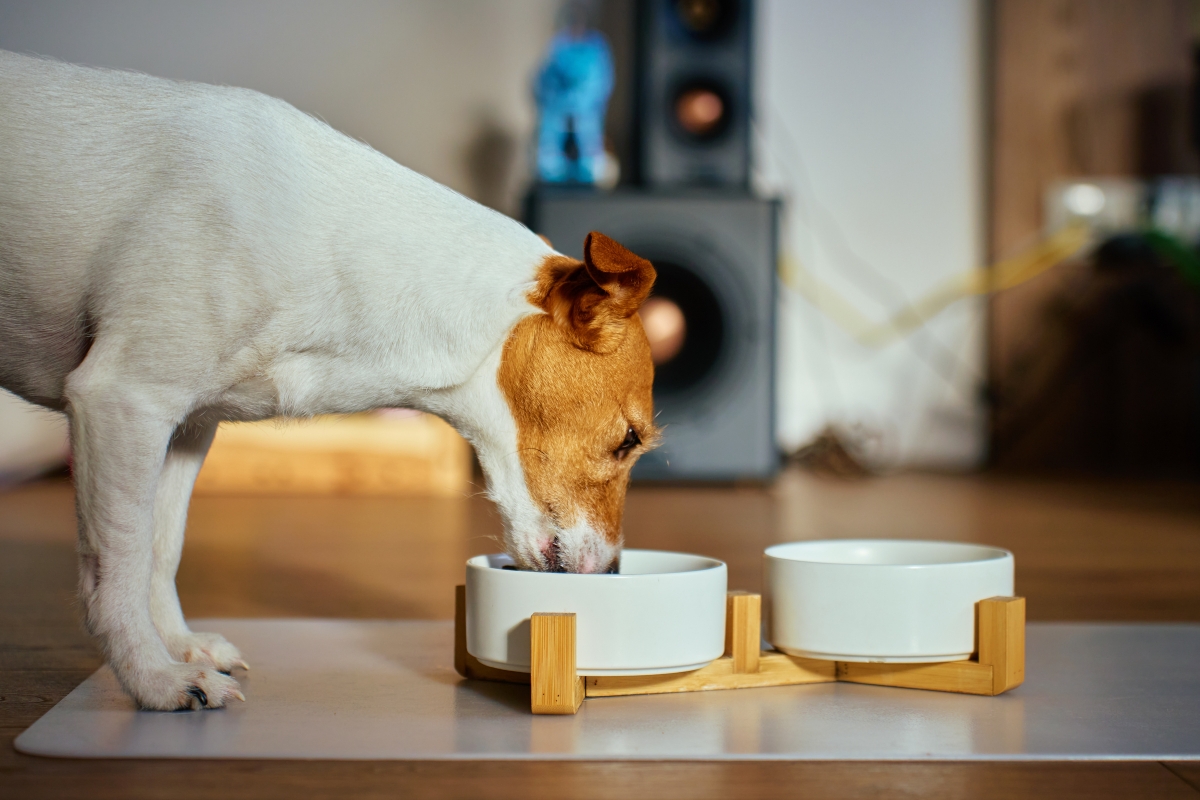
- Fresh water within easy reach
- Food when permitted by the veterinarian
- Nonslip flooring for pets that are weak or unsteady
- Comfortable room temperature
- Easy access for monitoring
- Barriers that prevent unnecessary climbing or jumping
For cats, consider a litter box with easy access if normal litter box use is permitted. Dogs may need short, controlled leash trips outside instead of normal walks.
Why Is Activity Restriction Important During Recovery?
A pet may begin acting energetic before the body has fully healed. This can be misleading. Running, jumping, climbing stairs, or rough play could put stress on an incision or injured area.
After many surgical procedures, activity restriction may be recommended for one to two weeks, although the actual period depends on the procedure and the individual animal.
Follow the specific restrictions on your discharge paperwork. Do not increase exercise simply because your pet appears eager to play.
In multi-pet households, separating a recovering pet may also prevent chasing, wrestling, or unwanted attention from other animals.
Keep the Recovery Area Quiet and Predictable
Rest can be easier when the environment feels familiar. Keep household noise to a minimum and limit unnecessary visitors around the recovery area.
Familiar bedding or a favorite safe item may help your pet settle. Avoid repeatedly handling or checking your pet in ways that interrupt sleep. Instead, supervise quietly and observe changes in behavior, movement, eating, drinking, and elimination.
Some pets may initially appear sleepy after anesthesia. However, prolonged or worsening changes should not simply be attributed to medication or stress without veterinary guidance.
Protect Surgical Incisions From Licking and Moisture
If your pet has an incision, your discharge instructions should explain how to protect it. In many cases, incisions need to remain clean and dry, and pets must be prevented from licking or scratching the area.
An Elizabethan collar, sometimes called an E-collar or cone, or another veterinarian-approved protective device may be recommended.
Look at the incision as directed by your veterinarian. Increasing redness, swelling, discharge, bleeding, an unpleasant odor, missing sutures, or separation of the incision edges warrants a call to the veterinary team.
Do not put hydrogen peroxide, rubbing alcohol, creams, ointments, or other products on an incision unless your veterinarian specifically directs you to do so.
Make Food, Water, and Bathroom Breaks Easy to Access
Recovery should require as little unnecessary physical effort as possible. Place water where your pet does not need to climb stairs or walk across the house to reach it.
Appetite can sometimes be temporarily reduced after anesthesia. Your veterinarian’s feeding instructions should take priority, as recommendations can vary depending on the procedure and your pet’s health.
Monitor whether your pet is eating, drinking, urinating, and passing stool. If something seems unusual or you are unsure whether a change is expected, visit our veterinary hospital or call for guidance rather than making assumptions about the cause.
Give Medications Exactly as Directed
If medication has been prescribed, follow the label and discharge instructions carefully. Give the correct amount at the recommended time and for the prescribed duration.
Never give human pain relievers or other human medications unless a veterinarian has specifically instructed you to do so. Likewise, do not stop, increase, decrease, or otherwise change a prescription on your own.
If your pet refuses medication, vomits after taking it, or shows signs of a possible side effect, contact the veterinary team for advice. AAHA emphasizes the importance of clear medication instructions and follow-up during pain management.
What Changes Can Be Monitored, and When Should You Call a Veterinarian?
Minor tiredness or a temporary change in appetite may occur after certain procedures or anesthesia. What is expected, however, varies with the treatment, medications, age, and the individual pet’s health.
Schedule a veterinary examination or contact your veterinarian if you notice persistent loss of appetite, worsening discomfort, repeated vomiting or diarrhea, increasing redness or swelling of the incision, discharge, unusual lethargy, or behavior that does not seem consistent with the recovery instructions.
Breathing difficulty, collapse, uncontrolled bleeding, severe weakness, a suddenly opened surgical incision, or another rapidly worsening problem may require prompt or emergency vet care.
A Safe Recovery Starts With the Right Support at Home
Your pet depends on you for more than medication after a procedure or illness. A quiet room, controlled movement, a protected incision, easy access to basic needs, and careful daily observation can all contribute to a safer recovery environment.
Just as importantly, you do not have to decide for yourself whether every change is normal. If your dog or cat seems uncomfortable, recovery is not progressing as expected, or you are unsure about home-care instructions, seek professional guidance. Middlesex Veterinary Center provides veterinary care for pets in Littleton and can help you understand your pet’s needs during the recovery period. Contact our team when you have concerns so your pet’s progress can be evaluated and the next steps can be determined safely.
Frequently Asked Questions
Q1. How long should I keep my pet quiet after surgery?
Ans. The required period depends on the surgery and your veterinarian’s instructions. Many procedures require restricted activity for approximately one to two weeks, while more extensive procedures may require longer. Do not resume normal exercise until your veterinarian says it is appropriate.
Q2. Where should my dog sleep while recovering from surgery?
Ans. Choose a quiet, clean, comfortable area where your dog cannot run, jump, or repeatedly use stairs. A bed at floor level can reduce unnecessary movement. The area should also allow you to monitor your dog without constantly disturbing rest.
Q3. Should I keep my cat in one room after surgery?
Ans. A small, secure room can help restrict jumping, climbing, and running during recovery. Keep necessary resources within easy reach and follow the confinement instructions provided at discharge. Cats with fresh surgical incisions should generally remain indoors during recovery.
Q4. How can I stop my pet from licking a surgical incision?
Ans. Use the protective device recommended by your veterinarian, such as an E-collar or an appropriate recovery garment. Do not remove the protection simply because your pet dislikes it, even if doing so allows access to the incision. Contact your veterinarian if the device does not fit or work properly.
Q5. What does an infected surgical incision look like on a pet?
Ans. Increasing redness, swelling, warmth, discharge, unpleasant odor, pain, or separation of the incision edges can be concerning. These signs can have different causes, so contact a veterinarian rather than trying to diagnose or treat the incision at home.
Q6. When is my pet’s behavior after surgery an emergency?
Ans. Seek prompt veterinary help for breathing difficulty, collapse, uncontrolled bleeding, severe weakness, a significantly opened incision, or rapid deterioration. Other persistent or worsening changes should also be discussed with a veterinarian, even when they do not appear immediately life-threatening.