New Patient Offer: $45 first Exam with Dr. Martin!



Coconut Oil for Cats: 8 Benefits, Uses, and Safety Tips for Pet Owners
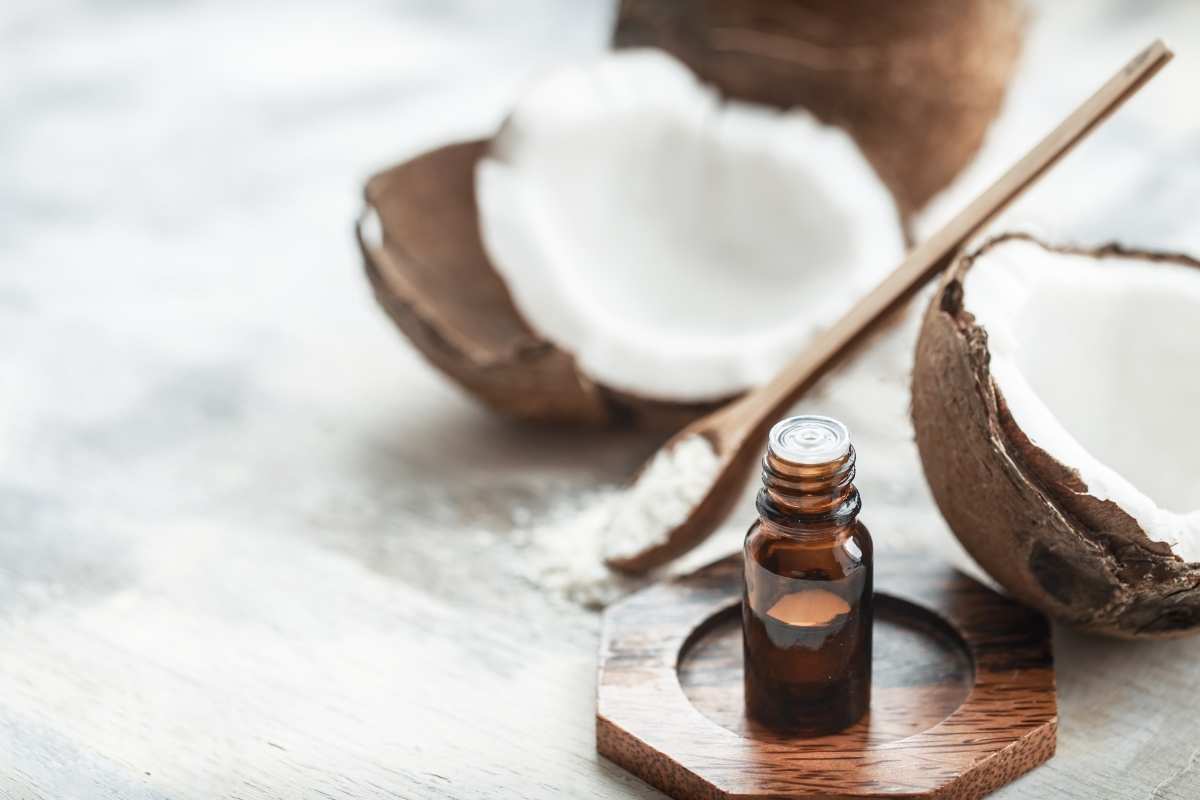
As cat owners continue exploring natural ways to support their pets’ health, coconut oil has gained attention as a popular supplement. Rich in medium-chain fatty acids, coconut oil may offer several potential benefits when used appropriately. However, understanding both the advantages and limitations is important before introducing it into your cat’s routine.
At Middlesex Veterinary Center, we often receive questions from pet owners about natural supplements and whether coconut oil is a safe option for their feline companions. This guide explains the potential benefits, common uses, and important safety considerations every cat owner should know.
What Is Coconut Oil?
Coconut oil is extracted from mature coconuts and contains medium-chain triglycerides (MCTs), including lauric acid. These compounds have attracted attention for their potential antimicrobial, moisturizing, and energy-supporting properties.
While coconut oil is not considered an essential part of a cat’s diet, some pet owners use it as a supplement or topical treatment under professional guidance.
1. May Support Skin Health
One of the most common reasons cat owners use coconut oil is to help support healthy skin.
Dry skin can occur due to environmental factors, seasonal changes, or underlying health conditions. When applied appropriately, coconut oil may help moisturize dry areas and reduce minor skin irritation.
However, persistent itching, redness, or skin lesions should always be evaluated by a veterinarian.
2. Can Help Improve Coat Condition
A healthy coat is often a reflection of overall wellness.
Some pet owners report that coconut oil helps improve coat softness and shine. The fatty acids in coconut oil may help support skin hydration, which can contribute to a healthier-looking coat.
Regular grooming and a balanced diet remain the most important factors in maintaining coat quality.
3. May Help Reduce Hairballs
Hairballs are a common concern for many cat owners.
Because coconut oil has a naturally smooth texture, some people use small amounts to help lubricate the digestive tract and support the passage of ingested hair through the system.
While this may be helpful for some cats, excessive use can cause digestive upset.
4. Provides a Source of Healthy Fats
Coconut oil contains fats that can serve as an energy source.
For some cats, these fats may contribute to overall nutritional support when included in moderation. However, cats have unique dietary requirements, and coconut oil should never replace a complete and balanced feline diet.
Always consult your veterinarian before making significant dietary changes.
5. May Have Antimicrobial Properties
Lauric acid, one of the primary components of coconut oil, has demonstrated antimicrobial properties in laboratory settings.
Although coconut oil should not be considered a treatment for infections, its natural composition has contributed to interest in its potential role in supporting skin health and cleanliness.
Any suspected infection should receive professional medical attention.
6. Can Be Used as a Paw Moisturizer
Cats can occasionally develop dry or rough paw pads, especially during periods of extreme weather.
A small amount of coconut oil applied topically may help moisturize dry paw pads and improve comfort.
Because cats groom themselves frequently, only pet-safe quantities should be used.
7. May Support Senior Cat Comfort
As cats age, maintaining healthy skin and coat condition can become more challenging.
Some owners choose to incorporate coconut oil into a senior cat’s wellness routine to support skin hydration and overall comfort. While evidence remains limited, it may provide supplemental support when used responsibly.
Cats with chronic health conditions should always be evaluated before introducing supplements.
8. Can Be Part of a Holistic Wellness Plan
Many pet owners prefer a proactive approach to feline wellness.
When combined with proper nutrition, regular exercise, routine examinations, and preventive healthcare, coconut oil may serve as one component of a broader wellness strategy.
It should never replace professional medical care or proven treatment recommendations.
How to Use Coconut Oil for Cats
There are generally two methods of use:
Topical Application
A small amount may be applied to:
- Dry skin areas
- Rough paw pads
- Minor areas of coat dryness
Oral Use
Some owners add very small amounts to food.
Because excessive fat intake can cause digestive issues, any oral supplementation should be introduced gradually and only after consulting a veterinary professional.
Potential Risks and Safety Considerations
While coconut oil is generally well tolerated by many cats, it is not appropriate for every pet.
Potential concerns include:
- Weight gain
- Diarrhea
- Vomiting
- Digestive upset
- Increased calorie intake
Cats with pancreatitis, obesity, or certain digestive disorders may require additional caution.
Before adding supplements to your cat’s routine, discussing their individual health needs with a trusted veterinary hospital or veterinarian is recommended.
When Should You Talk to a Veterinarian?
If your cat experiences:
- Chronic skin problems
- Excessive scratching
- Hair loss
- Frequent hairballs
- Digestive issues
- Changes in appetite
Professional evaluation is important to identify the underlying cause.
A veterinarian can determine whether coconut oil is appropriate and whether additional treatment or diagnostic testing may be needed.
Is Coconut Oil Right for Your Cat?
Coconut oil may offer potential benefits for some cats, including support for skin hydration, coat condition, paw health, and overall wellness. However, it is not a cure-all and should be used thoughtfully as part of a comprehensive healthcare plan. Every cat has unique nutritional and medical needs, making professional guidance essential before introducing new supplements.
If you’re in Littleton, MA, and need guidance from a vet near you on supporting your cat’s health and wellbeing, schedule your appointment with Middlesex Veterinary Center. Our team can help evaluate your cat’s individual needs and provide personalized recommendations to support a happy, healthy life at every stage.
Frequently Asked Questions
Q1. Is coconut oil safe for cats?
Ans. In small amounts, coconut oil is generally considered safe for many cats. However, individual health conditions may affect whether it is appropriate.
Q2. Can coconut oil help with dry skin in cats?
Ans. Some cat owners use coconut oil as a moisturizer for dry skin and paw pads, though persistent skin issues should be professionally evaluated.
Q3. How much coconut oil can I give my cat?
Ans. The appropriate amount varies based on your cat’s size, health status, and dietary needs. Consult a veterinarian before oral supplementation.
Q4. Can coconut oil reduce hairballs?
Ans. Some owners report that small amounts may help support hairball management, but results vary among individual cats.
Q5. Are there risks associated with coconut oil for cats?
Ans. Potential side effects include digestive upset, diarrhea, weight gain, and excess calorie consumption.
Q6. Should I consult a veterinarian before using coconut oil?
Ans. Yes. Discussing supplements with a veterinarian or veterinary hospital can help ensure they are appropriate for your cat’s specific health needs.