New Patient Offer: $45 first Exam with Dr. Martin!



Pet Dental Problems Explained: Causes, Warning Signs & Proven Prevention Tips

Your pet’s smile may be adorable, but what’s happening inside their mouth matters even more. Dental problems are one of the most common yet overlooked health issues in dogs and cats. Unfortunately, many pets suffer in silence until discomfort turns into serious illness. From bad breath to difficulty eating, dental disease can quietly affect your pet’s comfort, behavior, and overall well-being. Understanding the causes, early signs, and prevention strategies empowers you to protect your pet’s health before problems escalate. In this guide, we’ll break down pet dental problems in a clear, pet-parent-friendly way and share expert-backed tips to help keep your furry companion pain-free and thriving.
Understanding Common Pet Dental Problems
Dental disease doesn’t appear overnight. It develops gradually, often starting with plaque buildup that hardens into tartar. Over time, this can lead to inflammation and infection.
Most Common Dental Issues in Pets
- Plaque and tartar buildup that irritates the gums
- Gingivitis, causing redness and swelling
- Periodontal disease, which damages tissues and bone
- Tooth fractures or wear from chewing hard objects
- Oral infections that can spread beyond the mouth
If left untreated, these issues can impact vital organs like the heart, liver, and kidneys.
What Causes Dental Disease in Pets?
Several everyday factors contribute to dental problems in pets. Knowing these triggers helps you reduce risks early.
Key Causes to Watch For
- Lack of regular dental cleaning
- Soft or sticky diets that promote plaque buildup
- Genetics, especially in small-breed dogs and certain cat breeds
- Age-related changes in oral health
- Chewing on inappropriate toys or hard objects
Because pets can’t brush their own teeth, prevention relies heavily on consistent care from pet owners.
Signs Your Pet May Have Dental Problems
Pets instinctively hide pain, which makes dental disease easy to miss. Paying attention to subtle changes can make all the difference.
Common Warning Signs
- Persistent bad breath
- Red, swollen, or bleeding gums
- Yellow or brown buildup on teeth
- Dropping food or chewing on one side
- Pawing at the mouth or face
- Decreased appetite or behavioral changes
If you notice any of these signs, prompt evaluation can prevent more serious complications.
Why Dental Health Affects Overall Wellness
Dental disease isn’t limited to the mouth. Bacteria from infected gums can enter the bloodstream, affecting major organs and lowering your pet’s quality of life.
Health Risks Linked to Poor Oral Care
- Increased risk of heart and kidney disease
- Chronic pain and inflammation
- Weakened immune response
- Shortened lifespan
Maintaining dental health supports not just a healthy mouth, but a healthier, happier pet overall.
Effective Prevention Tips for Pet Owners
The good news is that dental disease is largely preventable with the right approach and consistency.
Daily and Weekly Dental Care Strategies
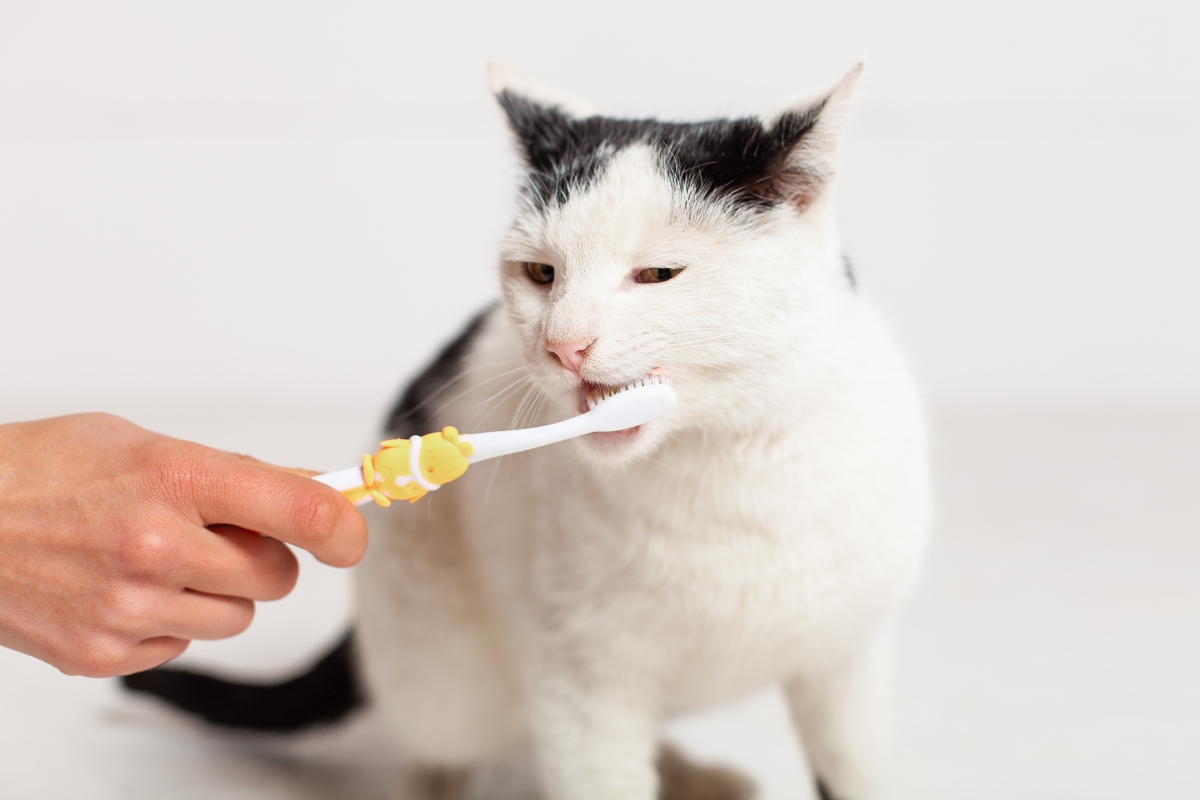
- Brush your pet’s teeth using pet-safe toothpaste
- Offer dental chews approved by veterinarians
- Feed a balanced diet that supports oral health
- Avoid giving bones or overly hard toys
- Schedule routine dental checkups
For pet owners exploring professional care options, pet dental services in Littleton can play a key role in preventive oral health when combined with good at-home habits.
The Role of Professional Veterinary Dental Care
Even with excellent home care, professional dental cleanings are essential. Veterinarians can reach areas below the gumline that brushing alone can’t address.
If you’re looking for trusted veterinary guidance and comprehensive oral care, Middlesex Veterinary Center provides personalized dental support designed to protect your pet’s long-term health.
When to Contact Your Veterinarian
Early intervention prevents pain and costly treatments later. Don’t wait for severe symptoms to appear.
Schedule a Vet Visit If You Notice:
- Persistent bad breath despite home care
- Visible tartar buildup
- Swollen gums or oral bleeding
- Sudden changes in eating habits
Timely dental exams allow your veterinarian to catch and treat issues before they worsen.
Dental care is one of the most powerful ways to improve your pet’s comfort, health, and longevity. By recognizing early warning signs, maintaining consistent home care, and partnering with your veterinarian, you can prevent painful dental disease before it starts. Take a proactive step today—check your pet’s mouth, establish a dental routine, and schedule a professional exam if needed. A healthier mouth means a happier, more energetic life for your beloved companion.
Frequently Asked Questions:
Q1: How often should I brush my pet’s teeth?
Ans: Ideally, brushing should be done daily. However, even brushing a few times a week significantly reduces plaque buildup.
Q2: Are dental chews enough to keep teeth clean?
Ans: Dental chews help reduce plaque, but should be used alongside brushing and professional cleanings for best results.
Q3: At what age do pets start developing dental disease?
Ans: Dental issues can begin as early as three years old, especially in small dogs and cats.
Q4: Is bad breath always a sign of dental problems?
Ans: Persistent bad breath is often linked to dental disease and should be evaluated by a veterinarian.
Q5: Can dental disease really affect my pet’s organs?
Ans: Yes, oral bacteria can enter the bloodstream and impact the heart, kidneys, and liver over time.
Q6: Are professional dental cleanings safe for pets?
A: When performed by a qualified veterinary team, dental cleanings are safe and essential for long-term health.