New Patient Offer: $45 first Exam with Dr. Martin!



A Complete Guide to Choosing the Best Pet Toothpaste
Maintaining your pet’s oral health is an essential part of their overall well-being, yet it’s often overlooked. Choosing the right toothpaste is a simple but effective way to prevent dental disease and keep your pet comfortable. At Middlesex Veterinary Center, veterinarians emphasize the importance of safe and effective products as part of a consistent oral hygiene routine. For pet owners in Littleton, MA, and beyond, understanding what to look for in pet toothpaste can make daily pet dental care easier and more effective.
This guide is designed to help all pet owners make informed decisions, regardless of location, ensuring better oral health for dogs and cats everywhere.
Why Pet Toothpaste Matters
Unlike humans, pets require specially formulated toothpaste that is safe to swallow and tailored to their unique needs. Using the wrong product, such as human toothpaste can be harmful due to ingredients like fluoride and xylitol, which are toxic to pets.
A high-quality pet toothpaste helps:
- Reduce plaque and tartar buildup
- Freshen breath
- Support healthy gums
- Prevent periodontal disease
Incorporating the right toothpaste into your routine is a key step in maintaining long-term oral health.
Key Ingredients to Look For
When choosing a pet toothpaste, it’s important to check the ingredient list. Look for:
Enzymatic Formulas
Enzymatic toothpaste helps break down plaque and bacteria without the need for aggressive brushing.
Natural Antibacterial Agents
Ingredients like chlorhexidine or herbal extracts can help control harmful bacteria in the mouth.
Pet-Safe Abrasives
Mild abrasives help clean teeth without damaging enamel.
Ingredients to Avoid
Not all toothpaste is safe for pets. Avoid products containing:
- Fluoride
- Xylitol (highly toxic to pets)
- Artificial sweeteners
- Harsh chemicals or foaming agents
Always choose products specifically labeled for dogs or cats.
Types of Pet Toothpaste
Pet toothpaste comes in several forms, allowing you to choose what works best for your pet:
Enzymatic Toothpaste
The most commonly recommended type is ideal for daily use and effective plaque control.
Gel Toothpaste
Easy to apply and often preferred for pets new to brushing.
Flavored Toothpaste
Available in flavors like poultry, beef, or seafood to make brushing more appealing.
Choosing a flavor your pet enjoys can make the process much smoother.
How to Choose the Right Toothpaste for Your Pet
Selecting the best toothpaste depends on your pet’s specific needs:
Consider Your Pet’s Preferences
Some pets respond better to certain flavors or textures. Experimenting with options can help you find the right fit.
Evaluate Dental Health Needs
Pets with existing dental issues may benefit from specialized formulas recommended by a veterinarian.
Look for Veterinary Approval
Products endorsed by veterinary professionals offer added assurance of safety and effectiveness.
Tips for Brushing Your Pet’s Teeth
Using the right toothpaste is only part of the process. Proper technique is equally important:
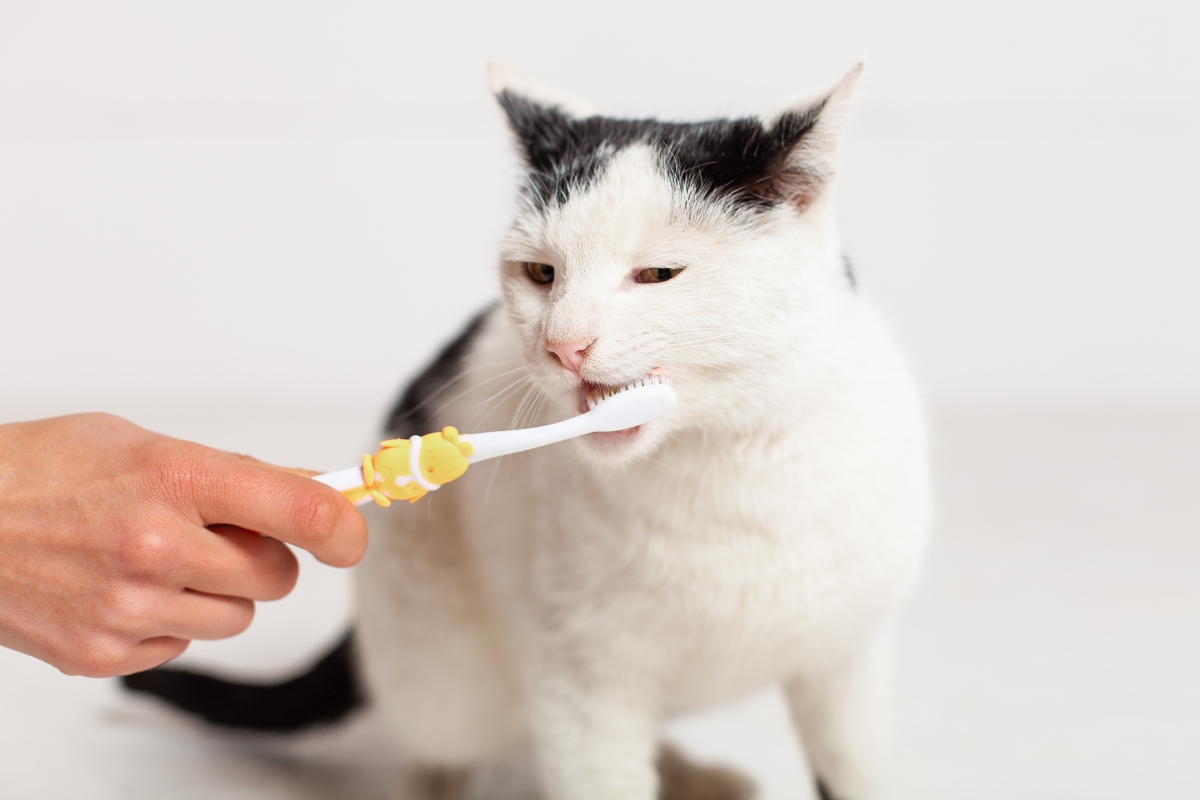
- Start slowly and allow your pet to get used to the taste
- Use a pet-specific toothbrush or finger brush
- Focus on the outer surfaces of the teeth
- Keep sessions short and positive
- Aim for daily brushing, or at least several times a week
Consistency is key to achieving the best results.
When to Consult a Veterinarian
While regular brushing is important, professional care is still necessary. If you notice signs such as bad breath, swollen gums, or difficulty eating, it’s time to seek expert advice.
Schedule your appointment with Middlesex Veterinary Center to ensure your pet receives comprehensive dental care and personalized recommendations.
Frequently Asked Questions
Q1. Can I use human toothpaste for my pet?
Ans. No, human toothpaste contains ingredients that can be harmful or toxic to pets.
Q2. How often should I brush my pet’s teeth?
Ans. Daily brushing is ideal, but even a few times per week can significantly improve oral health.
Q3. What if my pet refuses toothpaste?
Ans. Try different flavors or introduce brushing gradually to help your pet adjust.
Q4. Are dental treats a substitute for toothpaste?
Ans. Dental treats can help, but they should not replace regular brushing.
Q5. How do I know if toothpaste is safe?
Ans. Look for products specifically formulated for pets and recommended by veterinarians.
Q6. When should I start brushing my pet’s teeth?
Ans. It’s best to start when your pet is young, but older pets can also adapt with patience and consistency.