New Patient Offer: $45 first Exam with Dr. Martin!



Pet Care & Health Blog
Here at Middlesex Veterinary Center, we encourage pet owners to educate themselves on proper pet care and pet health problems by asking questions and finding answers from reliable, trusted sources of information. We are providing our clients access to LifeLearn Client Education library, a unique pet health education library, that strengthens the veterinary team’s role as animal health educators, and provides pet parents with easy-to-understand information.

Anemia in Cats
By Middlesex Veterinary Center | April 16, 2025
What Does It Mean To Be Anemic? Anemia is a reduced number of red blood cells or hemoglobin or both. It is not a specific disease but the result of some disease process. How is anemia diagnosed? The most easily observed sign of anemia is a loss of the normal pink color of the gingiva (gums). Anemic cats also have
Read More

Cat Asthma & Bronchitis
By Middlesex Veterinary Center | April 16, 2025
How Does Asthma Affect Cats? Obstructive and allergic lung diseases affect many cats and are sometimes called “asthma,” “bronchitis,” or “bronchial asthma.” Unfortunately, these diseases are not easily classified and probably represent a variety of lung disorders. They do share a common finding of “hyper-responsive” (over-reactive) airways. When the airway of the cat is sensitive to certain stimuli, exposure to
Read More

Bladder Stones in Cats
By Middlesex Veterinary Center | April 16, 2025
What Are Bladder Stones In Cats? Bladder stones, more correctly called uroliths, are rock-like collections of minerals that form in the urinary bladder. They may occur as a large, single stone or as dozens of stones the size of large grains of sand or pea gravel. Are there other types of stones? Gall stones are in the gall bladder, and
Read More
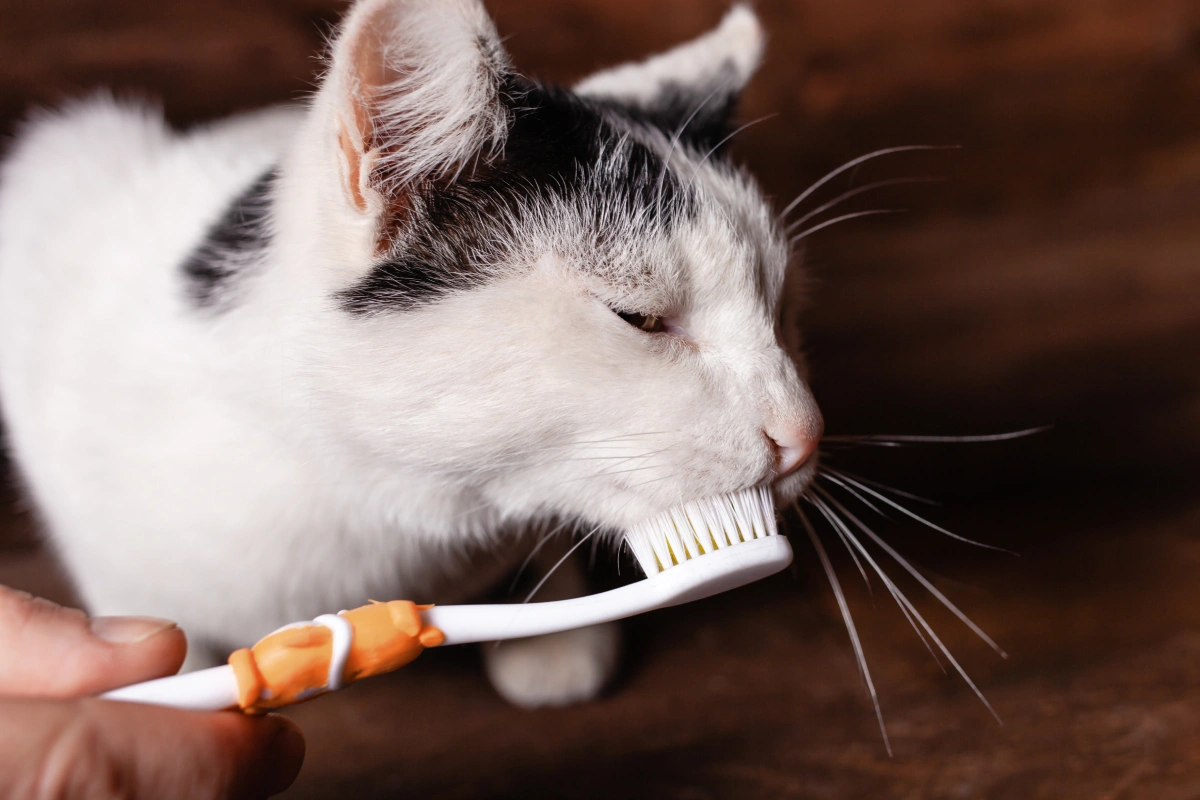
Teeth Brushing for Cats
By Middlesex Veterinary Center | April 16, 2025
How To Care For Your Cat’s Teeth The best defense against plaque is regular brushing at home in combination with professional scaling and polishing. Your veterinarian is your pet’s dentist as well as medical doctor. Ask your veterinarian, if you have any questions about the health of your pet’s mouth. We recommend that the teeth be cleaned and polished. Scaling
Read More
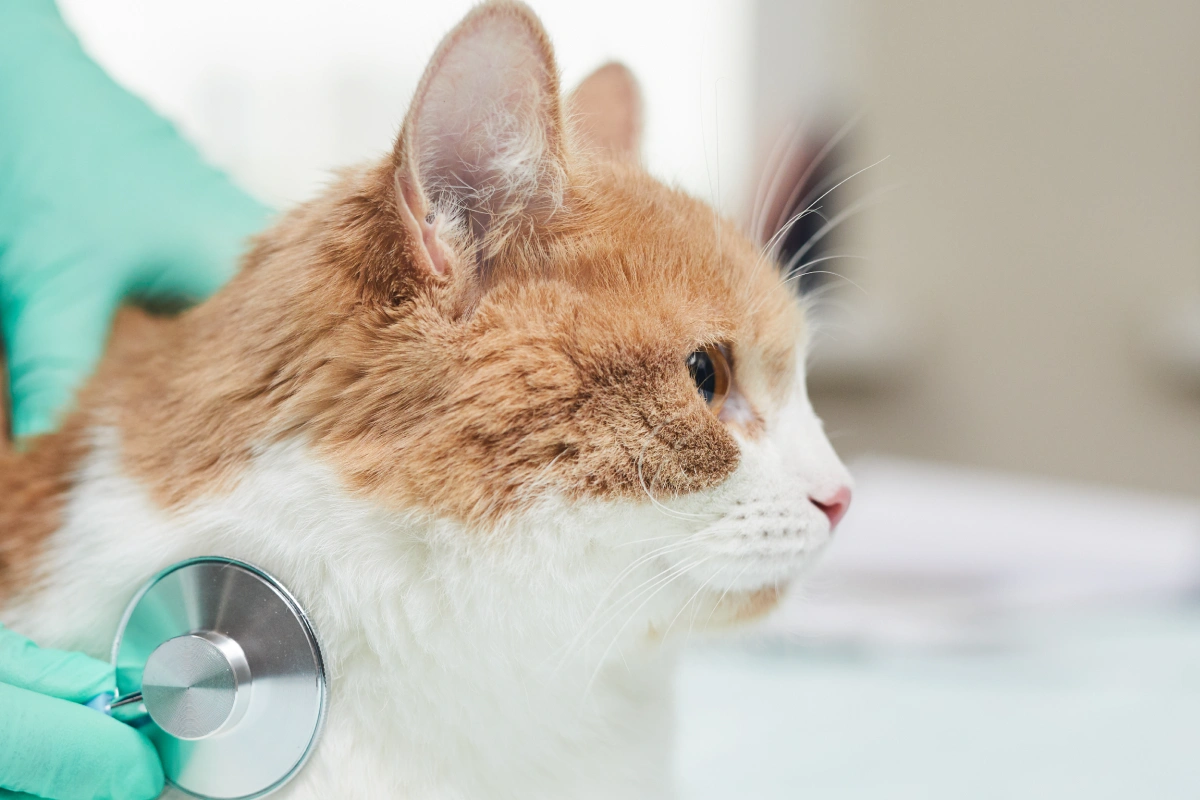
Cardiomyopathy in Cats
By Middlesex Veterinary Center | April 16, 2025
What Is Cardiomyopathy? Literally, the term “cardiomyopathy” means disease of the heart muscle. More specifically, cardiomyopathy (CM) is a disease of the heart muscle in which either the heart walls thicken greatly (hypertrophic and restrictive forms) or stretch greatly (dilated form). In either form, the heart’s function is significantly compromised and leads to an eventual state of heart failure. What
Read More

Cat Scratch Disease (Cat Scratch fever)
By Middlesex Veterinary Center | April 16, 2025
What Is Cat Scratch Disease? Cat scratch disease (also known as Cat scratch fever) is an infection by a bacterium called Bartonella henselae, which is spread by fleas. Classically, cats transmit the organism when they are parasitized by fleas, scratch themselves, and get infected flea dirt (digested host’s blood excreted by fleas) in their claws, and scratch a person or
Read More
Coccidiosis in Cats
By Middlesex Veterinary Center | April 16, 2025
What Is Coccidiosis? Coccidiosis is an infection with a one-celled organism. Coccidia are not worms; they are microscopic parasites which live within cells of the intestinal lining. Because they live in the intestinal tract and commonly cause diarrhea, they are often confused with worms. How did my cat become infected with coccidia? Oocysts (immature coccidia) are passed in the stool
Read More

Corneal Ulcers in Cats
By Middlesex Veterinary Center | April 16, 2025
What Are Corneal Ulcers In Cats? The cornea is the clear, shiny membrane which makes up the surface of the eyeball. It is much like a clear window. To understand a corneal ulcer, you must first understand how the cornea is constructed. The cornea is comprised of three layers. The most superficial layer, the epithelium, is comprised of many very
Read More

Feline Idiopathic Cystitis
By Middlesex Veterinary Center | April 16, 2025
What Is Cystitis? The term “cystitis” literally means inflammation of the urinary bladder. Although this term is rather general, there is a common form of cystitis, Feline Idiopathic Cystitis, which occurs in male and female cats. This disease is also known as Feline Urologic Syndrome (FUS) or Feline Lower Urinary Tract Disease (FLUTD). What are the causes? We are not
Read More
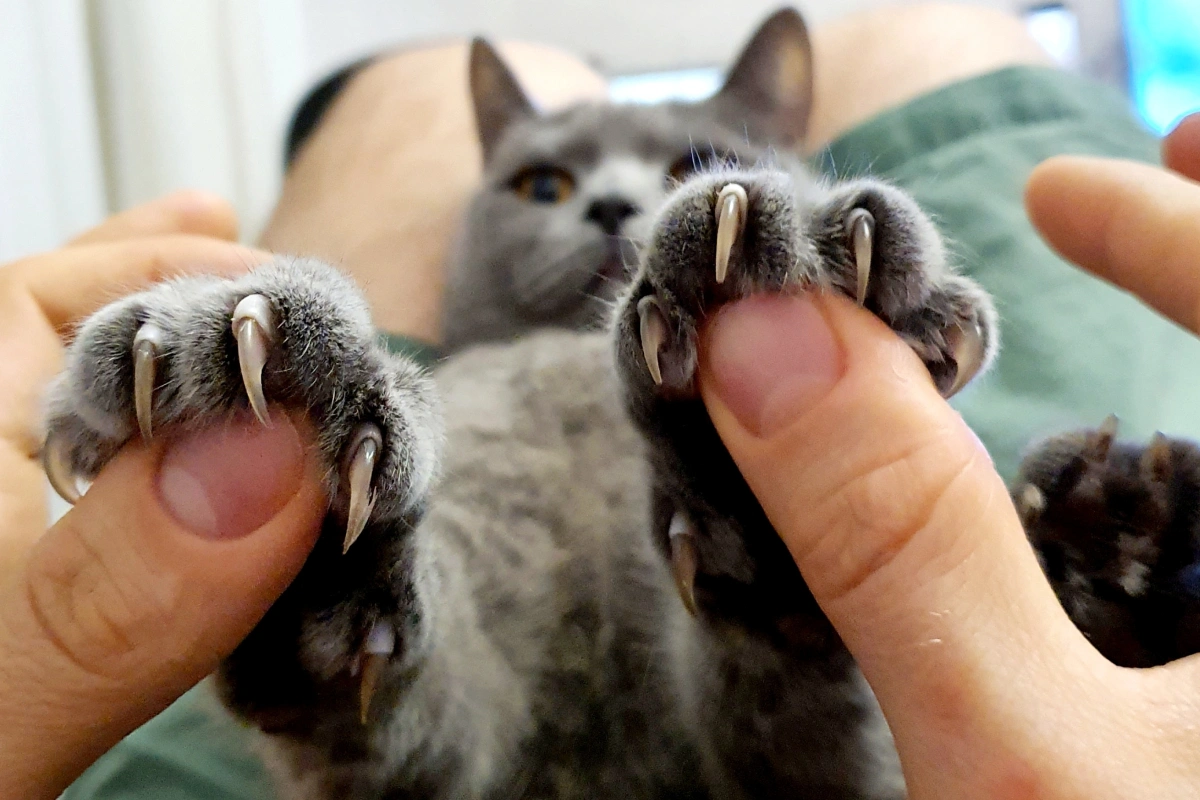
Declawing Cats
By Middlesex Veterinary Center | April 16, 2025
Declawing Cats – What You Should Know Middlesex Veterinary Center encourages pet owners to seek alternatives to the declawing of cats – if you are thinking about having your pet declawed, please take a moment to review the following information: Why are claws important to a cat? A cat’s remarkable grace, agility, and sense of balance are in part due
Read More