New Patient Offer: $45 first Exam with Dr. Martin!



How to Potty Train a Puppy Fast: A Stress-Free, Step-by-Step Guide
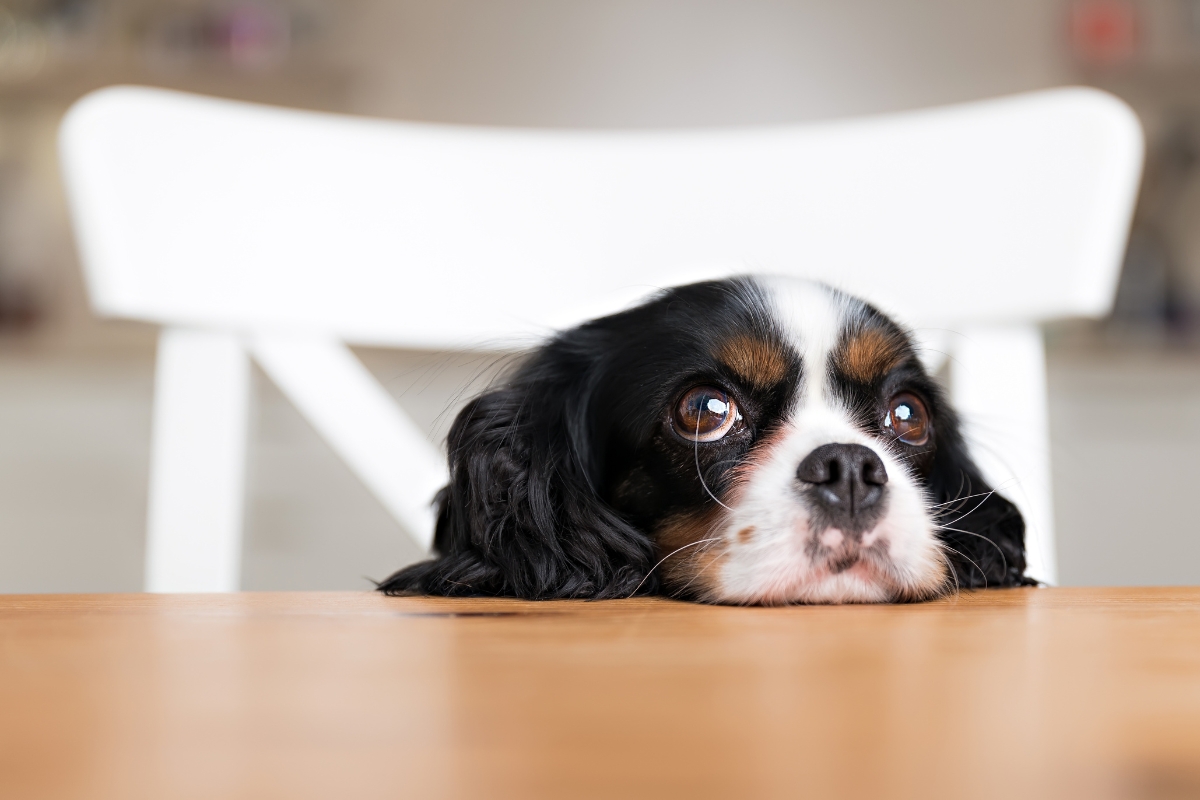
Potty training a puppy can feel overwhelming, especially when accidents happen just after you think your puppy has finally figured it out. However, successful house training does not require harsh corrections or constant frustration. With a consistent routine, close supervision, positive reinforcement, and realistic expectations, most puppies can learn where and when to go.
The key is to remember that puppies are still developing physically and mentally. Their bladder control is limited, their attention span is short, and they are learning how to understand your expectations. Therefore, potty training should focus on creating predictable opportunities for success rather than punishing mistakes.
A structured approach can make the process considerably easier. Instead of reacting to accidents after they happen, you can prevent many of them by learning your puppy’s signals, establishing regular bathroom breaks, and rewarding the behavior you want to see.
For families looking for reliable puppy care in Littleton, understanding the basics of house training can make those first few months much less stressful. Whether you have brought home a young Labrador, Golden Retriever, Chihuahua, mixed-breed puppy, or another companion, the same core principles-consistency, supervision, timing, and patience – can help establish good bathroom habits.
When Should You Start Potty Training a Puppy?
You can begin potty training as soon as your puppy comes home. Most puppies come home around 8 weeks of age, although the exact timing can vary.
At this stage, puppies cannot reliably hold their bladder for long periods. They also may not understand that indoor accidents are undesirable. Consequently, expecting perfect behavior immediately can create unnecessary frustration.
Instead, start by teaching a simple association:
Outside bathroom area → potty → immediate reward.
Over time, your puppy begins to understand that eliminating in the designated outdoor area produces a positive outcome.
Early training also establishes a routine. Puppies learn quickly when their days follow predictable patterns, so consistency from the beginning can prevent confusion later.
How Long Does Potty Training Take?
There is no universal timeline. Some puppies make noticeable progress within a few weeks, while others need several months before they become consistently reliable.
Several factors influence the process, including:
- Age
- Breed and individual temperament
- Previous living environment
- Bladder development
- Daily schedule
- Training consistency
- Supervision
- Access to an appropriate bathroom area
- Previous experiences with house training
Therefore, avoid comparing your puppy’s progress with another dog’s. A puppy that still has occasional accidents after several weeks is not necessarily failing at training.
The goal should be steady improvement rather than immediate perfection.
Step 1: Create a Consistent Potty Schedule
One of the fastest ways to make potty training easier is to establish a predictable schedule.
Take your puppy outside:
- Immediately after waking up
- After eating
- After drinking a significant amount of water
- After naps
- After active play
- Before bedtime
- Before and after extended periods of confinement
- Whenever your puppy shows signs of needing to go
Young puppies generally need more frequent bathroom opportunities than adult dogs. During the early stages, taking your puppy out frequently is often more effective than waiting for them to ask.
As bladder control improves, you can gradually increase the time between bathroom breaks.
Step 2: Choose One Potty Spot
Select a consistent outdoor location where you want your puppy to eliminate.
Taking your puppy to the same general area can help create a familiar scent and routine. Keep the initial bathroom trip focused rather than turning it into a long play session.
Use a simple verbal cue such as “go potty” when your puppy begins eliminating. Say it calmly and consistently.
Eventually, your puppy may associate the cue with the behavior.
After your puppy finishes, immediately provide praise and an appropriate reward. The timing matters because puppies have short attention spans.
Step 3: Reward the Right Behavior Immediately
Positive reinforcement is one of the most useful tools in puppy training.
When your puppy successfully goes potty outside, reward them immediately with praise, affection, or a small training treat.
Do not wait until you return inside. A delayed reward makes it harder for your puppy to understand exactly which behavior earned the reward.
For example:
Puppy eliminates outside → praise → treat → short play or walk.
This sequence teaches your puppy that using the correct bathroom location leads to something enjoyable.
Step 4: Supervise Your Puppy Indoors
Unsupervised freedom is one of the most common reasons potty training takes longer.
If your puppy has access to the entire house, you may not notice the warning signs until an accident has already happened.
Instead, keep your puppy close enough to monitor. You can use:
- A puppy-safe gated area
- A crate when appropriate
- A leash attached to you during supervised periods
- A small puppy-proofed room
Watch for behaviors such as:
- Sniffing the floor
- Circling
- Restlessness
- Walking toward a previously used accident area
- Suddenly stopping play
- Whining or pacing
- Moving toward a door
When you notice these signals, take your puppy outside immediately.
Step 5: Use a Crate Correctly
A properly introduced crate can support potty training because many dogs naturally prefer not to soil their sleeping area.
However, a crate should never function as punishment.
Choose a crate that provides enough room for your puppy to stand, turn around, lie down comfortably, and change positions. A crate that is excessively large may allow a puppy to eliminate in one corner while sleeping in another.
Most importantly, never leave a young puppy confined for longer than they can reasonably hold their bladder. Puppies have physical limitations, and extended confinement can increase accidents and discomfort.
Take your puppy outside immediately after coming out of the crate.
Step 6: Learn How to Handle Accidents
Accidents are part of puppy training. How you respond can affect future progress.
If you catch your puppy beginning to eliminate indoors, calmly interrupt them and take them outside. Avoid yelling, hitting, rubbing their nose in the mess, or using frightening corrections.
If you discover an accident after it has already happened, do not punish your puppy. They are unlikely to understand why you are upset several minutes later.
Instead, clean the area thoroughly with an appropriate enzymatic cleaner. Removing lingering odors can reduce the chance that your puppy will return to the same location.
Step 7: Keep a Potty Training Log
A simple log can reveal patterns that are otherwise easy to miss.
Record:
- Meal times
- Water intake
- Potty trips
- Successful outdoor elimination
- Indoor accidents
- Nap times
- Play sessions
After several days, you may notice that your puppy usually needs to go within a predictable period after meals or waking.
Once you recognize the pattern, you can take your puppy outside before an accident occurs.
Step 8: Gradually Increase Indoor Freedom
Do not give your puppy unrestricted access to the entire home simply because they have had a few successful days.
Instead, expand freedom gradually.
For example, begin with one puppy-proofed area. Once your puppy consistently uses the correct bathroom location, allow supervised access to another room.
If accidents increase, temporarily reduce access and return to a more structured routine.
This gradual approach allows your puppy to earn freedom as their reliability improves.
Why Punishment Can Make Potty Training Harder
It may be tempting to scold a puppy after discovering an accident. However, punishment can create fear and confusion rather than teaching the desired behavior.
A frightened puppy may begin hiding when they need to eliminate. They may also become reluctant to potty in front of people.
Instead, focus on prevention and reinforcement. Take your puppy outside frequently, supervise closely, reward successful elimination, and calmly clean accidents.
The objective is not to make your puppy afraid of making mistakes. It is to make the correct behavior easy to understand and rewarding to repeat.
What If Your Puppy Keeps Having Accidents?
Occasional accidents can be normal, especially during the early stages. However, frequent or sudden accidents deserve closer attention.
Consider whether something has changed in your puppy’s routine. Changes in feeding, water consumption, household activity, stress, confinement, or access to the bathroom area can affect training.
If your puppy suddenly begins having frequent accidents after previously making good progress, a medical issue could also be contributing. Urinary problems, gastrointestinal issues, parasites, and other conditions can sometimes affect bathroom habits.
Do not assume every regression is behavioral. Discuss persistent or unusual changes with your veterinarian.
Potty Training at Night
Nighttime training can be challenging because young puppies may not be physically capable of holding their bladder until morning.
Take your puppy outside immediately before bedtime. Keep the nighttime bathroom trip calm and boring. Avoid turning it into a play session.
If your puppy wakes and becomes restless, whines, circles, or otherwise signals that they need to eliminate, take them outside.
As your puppy matures, nighttime bathroom trips should gradually become less frequent.
What to Do When You Return to Work or Leave Home
Puppies require more frequent bathroom opportunities than adult dogs. Therefore, a young puppy may struggle if left alone for a full workday without a bathroom break.
If your schedule requires extended absences, consider arranging appropriate help from a trusted caregiver, dog walker, or other responsible person.
Depending on your living situation and vaccination guidance from your veterinarian, you can also discuss safe potty-training options that fit your household.
The most important point is to create a realistic schedule based on your puppy’s physical capabilities rather than expecting them to simply “hold it.”
When Potty Training Problems May Need Veterinary Attention
Potty training challenges are not always purely behavioral.
Contact your veterinarian if you notice:
- Frequent urination
- Straining to urinate
- Blood in the urine
- Persistent diarrhea
- Repeated vomiting
- Excessive thirst
- Sudden loss of previously established house-training skills
- Pain or distress while eliminating
- Very frequent accidents despite consistent training
These symptoms can indicate a medical problem that requires evaluation.
After the first 60% of the training process, remember that successful house training also depends on keeping your puppy healthy. Middlesex Veterinary Center can help address wellness needs that support your puppy’s development, while also helping you understand when unusual bathroom behavior may require professional attention.
How to Make Potty Training Less Stressful
The most effective potty-training routine is one you can maintain consistently.
Keep your puppy’s schedule predictable. Make the correct bathroom location easy to access. Reward success immediately. Supervise indoor activity. Clean accidents thoroughly. Most importantly, stay patient.
Progress may not happen in a perfectly straight line. Your puppy may have several successful days followed by an unexpected accident. That does not mean the training has failed.
Instead, look at the bigger picture. If accidents are becoming less frequent and your puppy is beginning to signal when they need to go outside, you are moving in the right direction.
The Fastest Approach Is Consistency, Not Pressure
Potty training a puppy quickly does not mean forcing a puppy to learn before they are physically ready. In fact, excessive pressure can create anxiety and make training more difficult.
The fastest practical approach combines frequent bathroom opportunities, close supervision, immediate rewards, appropriate confinement, thorough accident cleanup, and a predictable daily routine.
With time, your puppy learns that the right place to potty is outside and that communicating their needs brings a positive response.
Remember that every puppy develops at a different pace. Stay consistent, celebrate progress, and address unusual bathroom changes rather than assuming they are simply part of training.
Schedule your appointment with Middlesex Veterinary Center for guidance on your puppy’s wellness needs and any persistent bathroom concerns.
Frequently Asked Questions
Q1. How long does it usually take to potty train a puppy?
Ans: Potty training can take several weeks to several months, depending on the puppy’s age, development, temperament, routine, and training consistency. Some puppies progress quickly, while others need additional time and supervision.
Q2. How often should I take my puppy outside to potty?
Ans: Young puppies usually need frequent bathroom breaks, particularly after waking, eating, drinking, playing, and napping. The exact frequency depends on age and individual bladder control. As your puppy matures, you can gradually extend the intervals.
Q3. Should I punish my puppy for having an accident?
Ans: No. Punishment can create fear and confusion without teaching the puppy where they should eliminate. Instead, calmly interrupt an accident when you catch it happening, take the puppy outside, reward appropriate behavior, and clean indoor areas thoroughly.
Q4. Is crate training helpful for potty training?
Ans: A properly introduced crate can help establish a routine because many dogs prefer not to soil their sleeping area. However, puppies should not remain confined longer than they can reasonably hold their bladder, and the crate should never be used as punishment.
Q5. Why is my puppy suddenly having accidents after making progress?
Ans: A temporary regression can happen because of changes in routine, increased freedom, stress, incomplete training, or excitement. However, sudden or persistent accidents can sometimes indicate a medical problem. Consult your veterinarian if the change is unusual or continues despite consistent training.
Q6. What is the best way to potty train a puppy quickly?
Ans: The most effective approach combines a consistent schedule, frequent outdoor trips, close supervision, immediate positive reinforcement, appropriate confinement, and thorough cleanup of accidents. Avoid punishment and adjust the routine as your puppy develops better bladder control.