New Patient Offer: $45 first Exam with Dr. Martin!



Common Illnesses in Kittens and Their Warning Signs
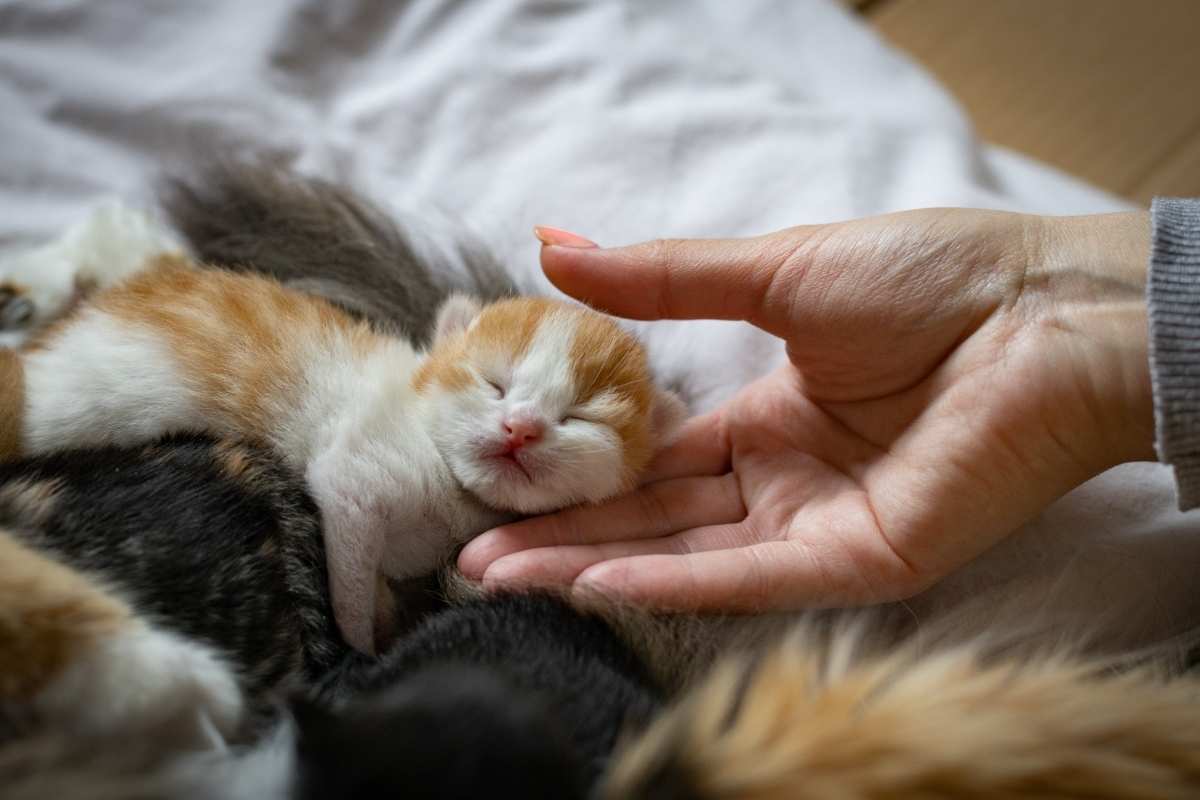
Kittens are naturally curious, playful, and energetic, but their developing immune systems can make them vulnerable to a variety of illnesses during the first few months of life. While some health issues are mild and treatable, others can become serious if symptoms are overlooked or treatment is delayed.
Understanding common kitten illnesses and recognizing early warning signs can help pet owners take quick action and support healthier long-term development. Monitoring changes in eating habits, behavior, energy levels, and litter box activity is especially important during kittenhood.
At Middlesex Veterinary Center, many pet owners seek guidance on protecting young cats from preventable illnesses and ensuring they receive proper medical attention during their early stages of growth. Families in Littleton, MA and surrounding communities should stay informed about the symptoms that may indicate an underlying health concern.
1. Upper Respiratory Infections
Upper respiratory infections are among the most common illnesses in kittens, especially those coming from shelters, rescues, or multi-cat environments. These infections are often caused by viruses or bacteria and spread easily between cats.
Common Symptoms
- Sneezing
- Nasal discharge
- Watery eyes
- Coughing
- Loss of appetite
- Fever
Some kittens may also appear tired or less interested in play. Mild infections may improve with supportive care, but severe cases can lead to breathing difficulties or dehydration.
When to Seek Veterinary Care
Kittens that stop eating, struggle to breathe, or develop worsening eye discharge should be examined promptly.
2. Intestinal Parasites
Parasites such as roundworms, hookworms, and giardia commonly affect kittens and can interfere with healthy growth. Many kittens acquire parasites from their mother or contaminated environments.
Warning Signs
- Diarrhea
- Vomiting
- Bloated abdomen
- Weight loss
- Poor coat condition
- Visible worms in stool
Parasites can weaken a kitten’s immune system if left untreated.
Prevention Tips
Routine deworming, proper sanitation, and regular veterinary checkups help reduce the risk of intestinal parasite infections.
3. Feline Panleukopenia
Also known as feline distemper, panleukopenia is a highly contagious viral disease that can become life-threatening in young kittens. The virus attacks rapidly dividing cells in the body, including the immune system and digestive tract.
Symptoms to Watch For
- Severe lethargy
- Vomiting
- Diarrhea
- Fever
- Loss of appetite
- Dehydration
Because this condition progresses quickly, immediate veterinary attention is critical.
Prevention
Vaccination remains one of the most effective ways to protect kittens from panleukopenia and other serious viral diseases.
4. Ear Mites
Ear mites are tiny parasites that commonly affect kittens and spread through close contact with other animals. While not usually life-threatening, untreated ear mites can cause irritation and secondary infections.
Common Signs
- Frequent head shaking
- Scratching at the ears
- Dark debris inside the ears
- Redness or inflammation
- Sensitivity around the ears
Kittens with severe irritation may develop skin damage from excessive scratching.
Treatment
Veterinarians can diagnose ear mites during an examination and recommend appropriate medications to eliminate the infestation safely.
5. Fleas and Skin Irritation
Fleas can cause significant discomfort in kittens and may lead to skin infections or anemia in severe cases. Because kittens are small and still developing, even a moderate flea infestation can affect their health.
Warning Signs
- Excessive scratching
- Hair loss
- Red or irritated skin
- Tiny black specks in fur
- Pale gums in severe cases
Prevention and Care
Using safe flea preventives designed specifically for kittens is important. Avoid using over-the-counter products without veterinary guidance, as some ingredients may be harmful to young cats.
6. Eye Infections
Eye infections are another common issue in kittens and may develop alongside respiratory infections or bacterial exposure.
Symptoms Include
- Eye redness
- Swelling
- Yellow or green discharge
- Squinting
- Crusting around the eyes
Untreated infections can affect vision and cause long-term complications.
Prompt kitten veterinary care helps identify the cause of the infection and supports faster healing.
How to Keep Your Kitten Healthy
Preventive healthcare plays a major role in supporting healthy growth and reducing the risk of serious illness during kittenhood.
Helpful Wellness Tips
- Schedule regular veterinary exams
- Follow vaccination recommendations
- Keep litter boxes clean
- Provide balanced kitten nutrition
- Monitor appetite and behavior changes
- Use parasite prevention products consistently
Routine kitten veterinary care also allows veterinarians to detect health issues before symptoms become severe.
Pet owners in Littleton, MA should remain especially attentive during the first year of life, when kittens are most vulnerable to infections and parasites.
When Should You Call a Veterinarian?
Some mild symptoms may improve quickly, but certain warning signs should never be ignored.
Seek veterinary care if your kitten:
- Stops eating
- Has persistent vomiting or diarrhea
- Shows difficulty breathing
- Appears weak or dehydrated
- Experiences sudden weight loss
- Develops eye or ear discharge
Early medical attention often improves recovery outcomes and helps prevent complications.
Kittens rely on attentive care and early medical support to stay healthy during their first year of life. Recognizing common illnesses and responding quickly to warning signs can help protect your kitten from more serious health problems in the future.
If you need guidance from a vet near you regarding your kitten’s health or preventive care needs, consider reaching out to our Veterinary Center. Our team is committed to supporting kittens through every stage of development with personalized and compassionate care. Schedule your appointment with Middlesex Veterinary Center and help your kitten build a strong foundation for lifelong health.
FAQs
Q1. What is the most common illness in kittens?
Ans. Upper respiratory infections are among the most common illnesses in kittens, especially in shelters or multi-cat environments.
Q2. How can I tell if my kitten is sick?
Ans. Common signs of illness include lethargy, vomiting, diarrhea, sneezing, eye discharge, poor appetite, or unusual behavior changes.
Q3. When should kittens receive vaccinations?
Ans. Kittens typically begin vaccinations around 6 to 8 weeks of age, followed by booster shots based on veterinary recommendations.
Q4. Are intestinal parasites dangerous for kittens?
Ans. Yes. Parasites can cause digestive problems, poor growth, dehydration, and weakness if left untreated.
Q5. How often should kittens visit the veterinarian?
Ans. Kittens usually require multiple visits during their first year for vaccinations, wellness exams, and preventive care monitoring.
Q6. Can indoor kittens still get sick?
Ans. Yes. Indoor kittens may still develop infections, parasites, or other illnesses through environmental exposure or contact with other animals.