New Patient Offer: $45 first Exam with Dr. Martin!



What to Do if Your Pet Stops Eating Due to Tooth Pain

A healthy appetite is one of the clearest signs that your dog or cat is feeling well. When your pet suddenly refuses food or struggles to eat, it can be alarming. Although many medical conditions can cause a loss of appetite, dental disease is one of the most common yet frequently overlooked causes. Painful teeth, inflamed gums, oral infections, or damaged teeth can make every bite uncomfortable, leading pets to avoid food altogether.
Dental problems affect pets of all ages, and they often progress gradually. Many animals instinctively hide pain, so changes in eating habits may be one of the first noticeable signs that something is wrong. Understanding how dental disease affects appetite and knowing when to seek veterinary care can help prevent complications and improve your pet’s quality of life.
This guide explains why tooth pain causes pets to stop eating, the warning signs to watch for, available treatment options, and how you can support your pet’s oral health.
Why Tooth Pain Causes Pets to Stop Eating
Chewing requires pressure on the teeth and gums. When a tooth is damaged or infected, even simple chewing movements can become painful.
Common dental conditions that interfere with eating include:
- Periodontal disease
- Broken or fractured teeth
- Tooth root abscesses
- Gingivitis
- Oral tumors
- Loose teeth
- Tooth resorption in cats
- Retained baby teeth
Without treatment, these conditions may worsen and affect your pet’s overall health.
Common Signs of Dental Pain
Pets often hide discomfort, making subtle behavioral changes especially important.
Watch for signs such as:
- Refusing food
- Eating more slowly than usual
- Dropping food while chewing
- Chewing on only one side of the mouth
- Pawing at the face
- Bad breath
- Excessive drooling
- Swollen gums
- Bleeding from the mouth
- Weight loss
- Irritability when the face is touched
Some pets continue to eat despite significant pain, so appetite alone does not always reflect the severity of dental disease.
Dental Diseases That Can Affect Appetite
Periodontal Disease
Periodontal disease is one of the most common health problems affecting adult dogs and cats.
It begins with plaque accumulation and may eventually lead to:
- Gum inflammation
- Bone loss
- Tooth loss
- Chronic oral pain
Early treatment helps preserve oral health.
Broken Teeth
Fractured teeth expose sensitive inner structures and may cause significant discomfort during chewing.
Hard chew toys, bones, and accidental trauma are common causes.
Tooth Root Abscess
An infected tooth root can cause:
- Severe pain
- Facial swelling
- Difficulty eating
- Fever
These infections typically require prompt veterinary treatment.
Tooth Resorption in Cats
Tooth resorption is a painful condition commonly affecting cats.
As the tooth structure breaks down, eating often becomes increasingly uncomfortable.
Other Reasons Pets May Stop Eating
Although dental disease is common, appetite loss can also result from:
- Kidney disease
- Liver disease
- Digestive disorders
- Viral infections
- Pain elsewhere in the body
- Certain medications
- Stress
- Cancer
A thorough veterinary examination is necessary to identify the underlying cause.
When Should You Contact a Veterinarian?
Seek veterinary evaluation if your pet:
- Refuses food for more than 24 hours
- Stops drinking water
- Has persistent bad breath
- Bleeds from the mouth
- Has facial swelling
- Cries while eating
- Drops food repeatedly
- Appears lethargic
- Loses weight
- Shows signs of severe pain
Prompt diagnosis often prevents more extensive dental problems.
How Veterinarians Diagnose Dental Problems
Your veterinarian begins with a comprehensive physical examination and oral evaluation.
Diagnostic tools may include:
Oral Examination
The veterinarian checks for:
- Inflamed gums
- Broken teeth
- Loose teeth
- Oral masses
- Plaque accumulation
- Tartar buildup
Dental X-rays
Many painful dental conditions occur below the gumline and cannot be seen during a routine examination.
Dental radiographs help detect:
- Tooth root infections
- Bone loss
- Fractures
- Tooth resorption
- Hidden disease
Laboratory Testing
Blood work may be recommended before anesthesia or to evaluate your pet’s overall health.
Treatment Options
Treatment depends on the underlying dental condition.
Possible recommendations include:
- Professional dental cleaning
- Tooth extraction
- Antibiotics when infection is present
- Pain medication
- Treatment of oral tumors
- Follow-up dental evaluations
Your veterinarian will create a treatment plan based on your pet’s specific needs.
Supporting Recovery After Dental Treatment
Many pets begin eating more comfortably once painful teeth are treated.
During recovery, your veterinarian may recommend:
- Soft food for several days
- Pain medication as prescribed
- Limiting chew toys temporarily
- Monitoring food intake
- Follow-up examinations
Most pets return to normal eating habits within a short period.
Caring for Your Pet at Home
Maintaining good oral hygiene helps reduce the risk of future dental disease.
Healthy habits include:
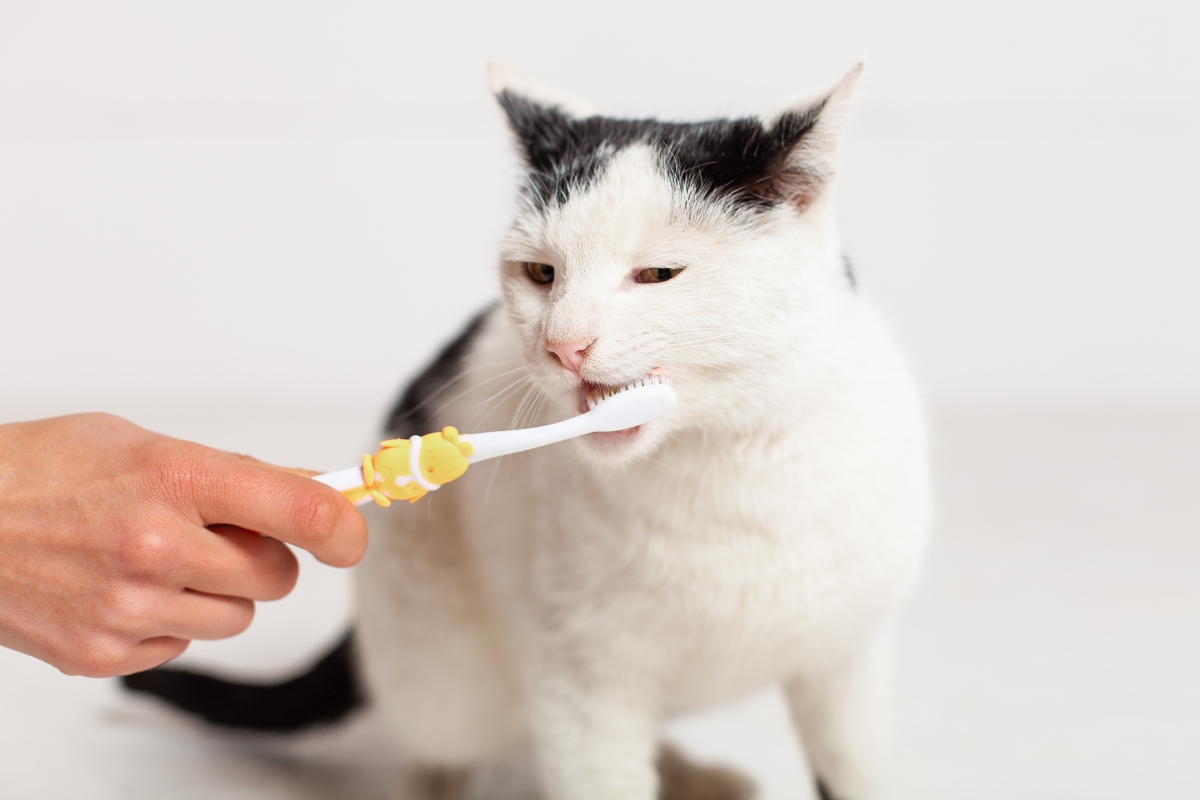
- Brushing your pet’s teeth regularly
- Providing veterinarian-approved dental chews
- Feeding an appropriate diet
- Scheduling routine oral examinations
- Monitoring for changes in eating habits
Consistent pet dental care supports healthier teeth and gums throughout your pet’s life.
Can Dental Disease Be Prevented?
Although some dental conditions cannot be completely prevented, regular preventive care significantly lowers the risk.
Preventive measures include:
- Routine veterinary dental examinations
- Professional dental cleanings when recommended
- Daily tooth brushing
- Dental diets approved by your veterinarian
- Safe chewing products
- Early treatment of oral problems
Preventive care helps maintain comfort and supports overall health.
Why Oral Health Affects Overall Wellness
Dental disease does not only affect the mouth.
Untreated oral infections may contribute to inflammation that affects other organs, including:
- Heart
- Kidneys
- Liver
Healthy teeth support better nutrition, improved comfort, and a higher quality of life.
Loss of appetite caused by tooth pain should never be ignored. Dental disease can significantly affect your pet’s comfort, nutrition, and overall well-being, and many oral conditions worsen without treatment. Recognizing the early signs of dental pain and seeking veterinary care promptly allows problems to be diagnosed before they become more serious. If you’re in Littleton, MA and need guidance from a vet near you for your pet’s dental health, schedule your appointment with Middlesex Veterinary Center. Our team can evaluate your pet’s oral health, recommend the most appropriate treatment, and provide personalized care to help them eat comfortably and maintain a healthy smile.
Frequently Asked Questions
Q1. Can tooth pain cause my pet to stop eating completely?
Ans: Yes. Painful teeth, gum disease, infections, or broken teeth can make chewing uncomfortable, causing some pets to refuse food or eat significantly less.
Q2. How can I tell if my pet has dental pain?
Ans: Common signs include bad breath, difficulty chewing, dropping food, pawing at the mouth, swollen gums, excessive drooling, weight loss, and reluctance to eat.
Q3. Will my pet need anesthesia for dental treatment?
Ans: Professional dental cleanings, dental X-rays, and many dental procedures are performed under anesthesia to allow a complete examination and safe treatment while minimizing stress and discomfort.
Q4. How often should my pet have a dental examination?
Ans: Most pets benefit from a dental evaluation during their routine wellness visits. Your veterinarian may recommend more frequent examinations based on your pet’s age, breed, and oral health.
Q5. Can I treat my pet’s tooth pain at home?
Ans: Home remedies cannot resolve infections, fractured teeth, or advanced dental disease. Your pet should be examined by a veterinarian to determine the underlying cause and receive appropriate treatment.
Q6. How can I help prevent dental disease?
Ans: Regular tooth brushing, routine veterinary dental examinations, professional cleanings when recommended, and veterinarian-approved dental products can help maintain healthy teeth and gums while reducing the risk of painful dental disease.