New Patient Offer: $45 first Exam with Dr. Martin!



Cat Dental Care: Everything Every Cat Owner Should Know

Cats are masters at hiding discomfort, which means dental problems often go unnoticed until they become severe. While many pet owners focus on nutrition, exercise, and routine veterinary visits, oral health is just as important for a cat’s overall well-being. Good dental hygiene helps prevent pain, supports healthy eating habits, and may reduce the risk of health issues affecting other parts of the body.
Fortunately, maintaining your cat’s oral health doesn’t have to be complicated. With a combination of home care, regular veterinary checkups, and professional dental cleanings when needed, you can help keep your feline companion comfortable throughout every stage of life.
This guide explains why cat dental care matters, common dental problems, warning signs to watch for, and practical ways to maintain a healthy mouth.
Why Cat Dental Care Is Important
Dental disease is one of the most common health conditions affecting adult cats. Plaque begins forming on the teeth soon after eating. If it is not removed regularly, it hardens into tartar, which can irritate the gums and create an environment where bacteria thrive.
Healthy teeth and gums support much more than chewing. Good oral health also contributes to:
- Comfortable eating
- Fresher breath
- Healthy gums
- Reduced inflammation
- Better quality of life
- Improved overall wellness
In addition, treating dental disease early helps prevent more advanced problems that may require extensive treatment.
Common Dental Problems in Cats
Several oral conditions can affect cats throughout their lives.
Plaque and Tartar Buildup
Plaque is a sticky film made up of bacteria and food particles. Without regular cleaning, it hardens into tartar that cannot be removed with brushing alone.
Excessive tartar can lead to gum irritation and periodontal disease.
Gingivitis
Gingivitis is inflammation of the gums caused by bacterial buildup around the teeth.
Common signs include:
- Red gums
- Swollen gums
- Bad breath
- Bleeding during brushing
Fortunately, gingivitis is often reversible when addressed early.
Periodontal Disease
If gingivitis progresses, bacteria can spread below the gumline and damage tissues supporting the teeth.
Advanced periodontal disease may cause:
- Loose teeth
- Pain while eating
- Tooth loss
- Infection
Routine veterinary dental care helps reduce the risk of this condition.
Tooth Resorption
Tooth resorption is a painful condition commonly seen in cats. It occurs when the tooth structure gradually breaks down.
Many affected cats continue eating despite discomfort, making regular oral examinations especially important.
Broken or Fractured Teeth
Cats may fracture teeth after chewing hard objects or experiencing trauma.
Broken teeth expose sensitive tissue and often require veterinary treatment to relieve pain and prevent infection.
Signs Your Cat May Have Dental Problems
Because cats often hide discomfort, recognizing subtle warning signs is essential.
Watch for:
- Persistent bad breath
- Drooling
- Difficulty chewing
- Reduced appetite
- Pawing at the mouth
- Bleeding gums
- Loose or missing teeth
- Yellow or brown tartar
- Weight loss
- Reluctance to eat dry food
If you notice any of these symptoms, schedule a veterinary examination promptly.
How to Care for Your Cat’s Teeth at Home
Daily home care plays an important role in maintaining oral health.
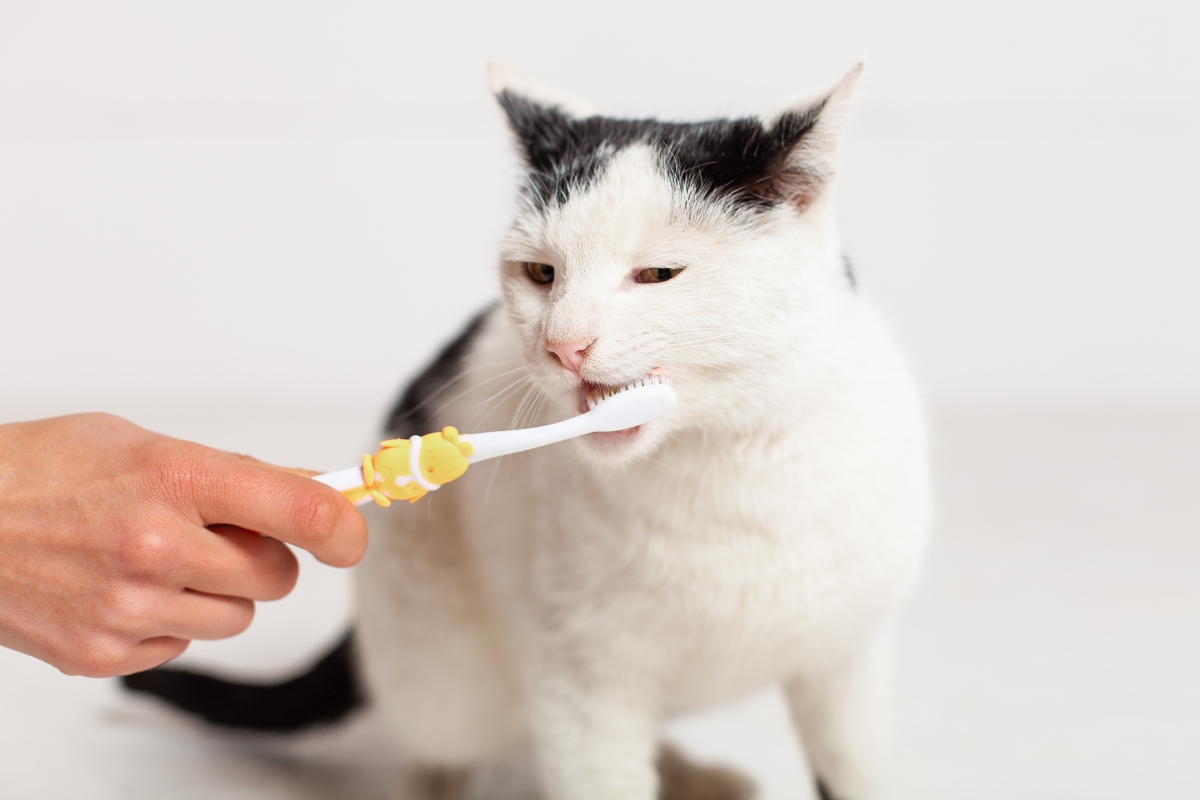
Brush Your Cat’s Teeth
Brushing remains one of the most effective ways to reduce plaque buildup.
For best results:
- Use a toothbrush designed for cats.
- Choose veterinary-approved toothpaste.
- Introduce brushing gradually.
- Keep sessions short and positive.
- Reward your cat after each session.
Never use human toothpaste, as it may contain ingredients that are harmful to cats.
Offer Dental Diets and Treats
Certain veterinary dental diets and treats are formulated to help reduce plaque and tartar.
Although they do not replace brushing, they can provide additional support for oral health.
Provide Dental Toys
Some toys encourage chewing and may help reduce plaque accumulation while providing mental stimulation.
Choose products specifically designed for feline dental health.
Why Professional Dental Cleanings Matter
Even with consistent home care, tartar eventually forms below the gumline where brushing cannot reach.
Professional dental cleanings allow veterinarians to:
- Remove plaque and tartar
- Examine every tooth
- Evaluate the gums
- Identify hidden dental disease
- Polish the teeth
- Recommend additional treatment if needed
Routine professional cleanings play a key role in long-term Cat Dental Care.
What Happens During a Professional Dental Cleaning?
Before the procedure, your veterinarian will perform a physical examination and determine whether additional testing is appropriate.
During the cleaning, the veterinary team may:
- Perform a complete oral examination
- Remove plaque and tartar above and below the gumline
- Polish the teeth
- Take dental X-rays when necessary
- Assess for tooth damage or infection
These steps allow your veterinarian to identify issues that cannot be seen during a routine visual examination.
How Often Should Cats Receive Dental Evaluations?
Every cat should receive routine oral examinations during wellness visits.
However, the frequency of professional dental cleanings depends on several factors, including:
- Age
- Breed
- Diet
- Existing dental disease
- Overall health
Your veterinarian will recommend an individualized dental care plan based on your cat’s specific needs.
Tips for Preventing Dental Disease
Preventive care is always easier than treating advanced disease.
You can support your cat’s oral health by:
- Brushing regularly
- Scheduling routine veterinary examinations
- Providing balanced nutrition
- Offering approved dental products
- Monitoring for changes in eating habits
- Seeking veterinary attention when dental symptoms appear
Small daily habits can make a significant difference over your cat’s lifetime.
Support Your Cat’s Health with Preventive Dental Care
Healthy teeth and gums contribute to your cat’s comfort, nutrition, and overall quality of life. By recognizing early signs of dental disease, maintaining consistent home care, and scheduling professional dental evaluations, you can help prevent painful oral conditions before they become more serious.
If you’re looking for trusted pet dental services in Littleton, contact Middlesex Veterinary Center for personalized dental care and preventive treatment for your feline companion. Our experienced veterinary team proudly serves pet owners in Littleton, MA and is committed to helping cats enjoy healthier smiles and happier lives.
Frequently Asked Questions
Q1. How often should I brush my cat’s teeth?
Ans: Daily brushing is ideal because it helps remove plaque before it hardens into tartar. If daily brushing isn’t possible, brushing several times a week is still beneficial.
Q2. What are the first signs of dental disease in cats?
Ans: Common early signs include bad breath, red or swollen gums, drooling, difficulty chewing, reduced appetite, and yellow or brown tartar buildup on the teeth.
Q3. Are professional dental cleanings necessary if I brush my cat’s teeth?
Ans: Yes. Brushing helps reduce plaque, but professional dental cleanings remove tartar below the gumline and allow veterinarians to identify hidden dental problems.
Q4. Can dental disease affect my cat’s overall health?
Ans: Yes. Untreated dental disease may lead to chronic pain, difficulty eating, tooth loss, and bacteria that can affect other parts of the body.
Q5. Is bad breath normal in cats?
Ans: No. Persistent bad breath is often a sign of dental disease or another underlying health condition and should be evaluated by a veterinarian.
Q6. At what age should my cat start receiving dental examinations?
Ans: Cats should receive oral examinations during every routine wellness visit, beginning at a young age. Regular evaluations help identify dental problems before they become severe.