New Patient Offer: $45 first Exam with Dr. Martin!



Common Eye Injuries in Dogs and Cats: What Requires Immediate Attention?
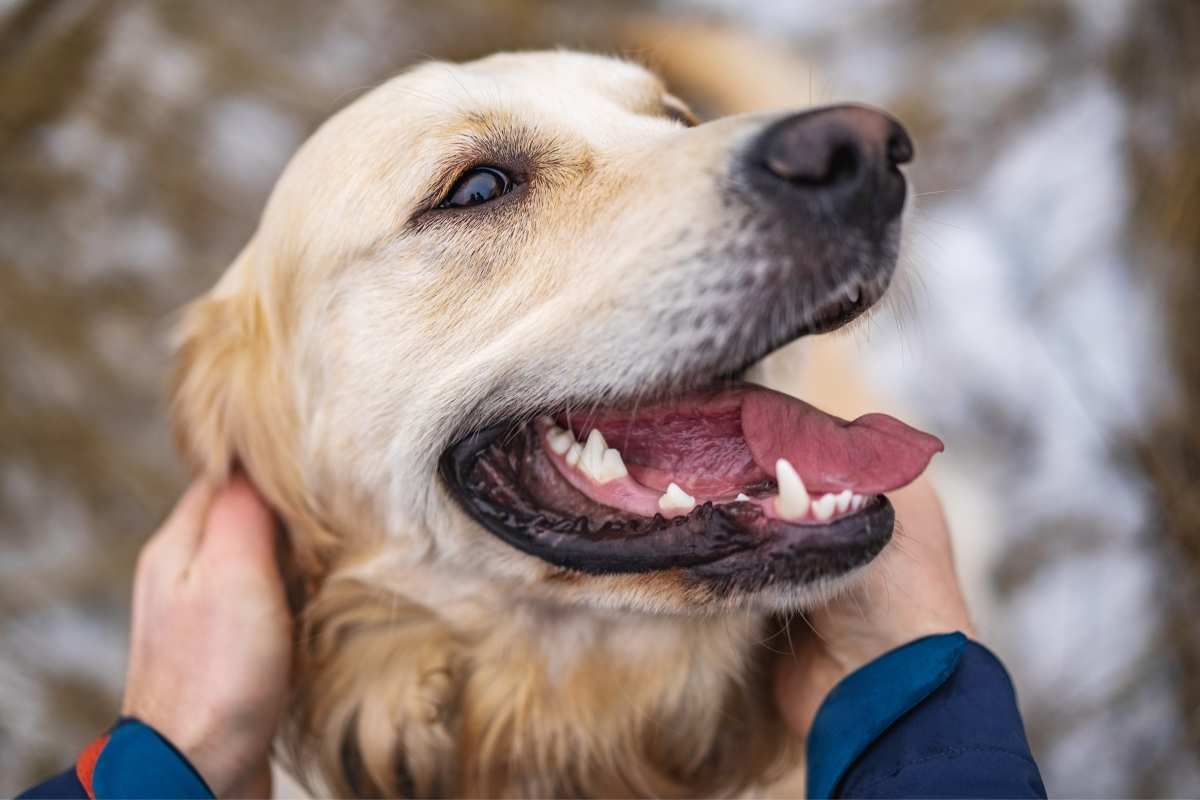
Eye injuries and eye emergencies can happen suddenly in both dogs and cats. What may appear to be a minor irritation can quickly become a serious condition that threatens your pet’s comfort, vision, and overall health. Knowing the warning signs can help you act quickly when every minute matters.
In this guide, you’ll learn about common eye injuries in pets, symptoms that should never be ignored, conditions that mimic eye injuries, treatment options, and when immediate veterinary care is necessary.
Why Eye Problems Should Never Be Ignored
A pet’s eyes are extremely delicate and can deteriorate quickly when injured or diseased.
Even seemingly minor symptoms can sometimes lead to:
- Severe pain
- Infection
- Corneal damage
- Vision impairment
- Permanent blindness
Because many eye conditions worsen rapidly, early diagnosis and treatment are often critical to preserving eyesight.
Common Causes of Eye Injuries in Dogs and Cats
Pets can experience eye injuries in many different situations.
Common causes include:
- Rough play with other animals
- Scratches from branches or plants
- Foreign objects entering the eye
- Household accidents
- Falls or trauma
- Chemical exposure
- Excessive rubbing or scratching
Active pets and those that spend significant time outdoors may face an increased risk of eye injuries.
Eye Problems That Can Look Like Injuries
Not all eye emergencies are caused by trauma. Several medical conditions can appear suddenly and mimic an eye injury, which could need urgent vet care.
These include:
- Glaucoma
- Dry eye syndrome
- Conjunctivitis
- Cataracts
- Lens luxation
- Cherry eye
- Hypertensive retinopathy
- Pannus
Because many of these conditions cause redness, squinting, tearing, and discomfort, a professional evaluation is important to determine the underlying cause.
Corneal Scratches and Corneal Ulcers
Corneal injuries are among the most common eye problems seen in pets.
The cornea is the clear outer layer of the eye. Scratches may occur from plants, debris, rough play, or accidental trauma.
Symptoms of Corneal Injuries
- Excessive tearing
- Squinting
- Pawing at the eye
- Eye redness
- Sensitivity to light
If a scratch becomes deeper, it may develop into a corneal ulcer, which can lead to serious complications if left untreated.
Foreign Objects in the Eye
Small particles such as dirt, grass seeds, dust, or plant material can become trapped in the eye.
Signs may include:
- Frequent blinking
- Excessive tearing
- Redness
- Pawing at the face
- Visible debris
Owners should avoid attempting to remove deeply embedded objects, as this may worsen the injury.
Eye Trauma From Accidents
Blunt trauma can occur from falls, collisions, or other accidents.
Potential symptoms include:
- Swelling around the eye
- Bruising
- Bleeding
- Cloudiness
- Changes in pupil size
- Vision problems
Traumatic injuries often affect structures inside the eye that are not visible without examination.
Glaucoma: A True Eye Emergency
Glaucoma occurs when pressure builds inside the eye because fluid cannot drain properly.
This condition is extremely painful and can cause permanent vision loss very quickly.
Signs of Glaucoma
- Cloudy appearance of the eye
- Enlarged eye
- Dilated pupil
- Severe redness
- Sudden blindness
- Eye pain
Glaucoma requires immediate treatment to reduce pressure and protect vision.
Cherry Eye in Dogs
Cherry eye occurs when the gland of the third eyelid protrudes from its normal position.
It often appears as a red or pink mass in the corner of the eye.
Common signs include:
- Visible red tissue
- Eye irritation
- Excessive tearing
- Mild swelling
Although not always painful initially, untreated cherry eye can lead to long-term complications.
Dry Eye Syndrome in Pets
Dry eye, also called keratoconjunctivitis sicca, develops when tear production decreases.
Without enough tears, the eye surface becomes irritated and vulnerable to infection.
Symptoms may include:
- Thick eye discharge
- Redness
- Frequent blinking
- Cloudiness
- Eye discomfort
Early treatment can help prevent corneal damage and chronic pain.
Lens Luxation
Lens luxation occurs when the lens inside the eye becomes displaced.
This condition is often seen in certain dog breeds and may lead to secondary glaucoma.
Signs include:
- Sudden vision loss
- Eye pain
- Cloudiness
- Abnormal eye appearance
Many cases require surgical treatment.
Conjunctivitis
Conjunctivitis refers to inflammation of the tissues surrounding the eye.
Potential causes include:
- Allergies
- Infections
- Irritants
- Underlying disease
Symptoms often include:
- Redness
- Swelling
- Eye discharge
- Squinting
While some cases are mild, others may indicate a more serious underlying problem.
Can a Dog or Cat Go Blind From an Eye Injury?
Yes.
Certain eye injuries and diseases can cause permanent blindness if treatment is delayed.
Conditions most commonly associated with vision loss include:
- Glaucoma
- Corneal ulcers
- Retinal injuries
- Severe trauma
- Lens luxation
Prompt veterinary care offers the best chance of preserving eyesight.
Warning Signs That Require Immediate Attention
Seek emergency care immediately if your pet experiences:
- Sudden blindness
- Severe squinting
- Bleeding from the eye
- Significant swelling
- A cloudy eye
- A foreign object stuck in the eye
- Eye trauma
- Persistent pain
- A protruding eyeball
These symptoms may indicate a serious emergency requiring urgent treatment.
What To Do If Your Pet Has an Eye Injury
If you suspect an eye injury:
- Keep your pet calm.
- Prevent rubbing or scratching.
- Do not use human eye medications.
- Avoid removing embedded objects.
- Contact a veterinary professional immediately.
Quick action can help reduce the risk of permanent damage.
How Eye Injuries Are Diagnosed
A thorough examination is often necessary to determine the cause of eye symptoms.
Diagnostic tests may include:
- Fluorescein staining
- Tear production testing
- Eye pressure measurements
- Ophthalmic examination
- Evaluation of vision responses
A veterinarian can identify whether symptoms are caused by trauma, infection, glaucoma, or another eye condition and recommend appropriate treatment.
How Eye Injuries and Eye Diseases Are Treated
Treatment depends on the diagnosis and severity of the condition.
Medications
Treatment may include:
- Antibiotic eye drops
- Anti-inflammatory medications
- Artificial tears
- Pain relief medications
Surgical Procedures
Some conditions may require surgery, including:
- Deep corneal ulcers
- Eyelid injuries
- Lens luxation
- Severe eye trauma
Long-Term Management
Certain conditions, such as dry eye syndrome and pannus, may require ongoing treatment and monitoring.
Preventing Eye Injuries in Pets
Although not all eye injuries can be prevented, these steps may reduce risk:
- Supervise outdoor activities
- Remove hazards from play areas
- Keep chemicals stored safely
- Monitor interactions between pets
- Schedule routine wellness exams
Early detection often leads to better outcomes and less invasive treatment.
Protect Your Pet’s Vision With Fast Action
Eye injuries and eye diseases can progress quickly, making prompt attention essential. Whether your pet develops redness, squinting, discharge, cloudiness, or signs of pain, seeking professional care as soon as possible can help prevent complications and preserve vision. Staying alert to changes in your pet’s eyes is one of the best ways to protect their long-term health and comfort.
For professional pet eye injury diagnosis and treatment services in Littleton, book an appointment with Middlesex Veterinary Center. Our experienced team provides compassionate care and prompt treatment to help protect your pet’s eyesight when it matters most.
FAQs
Q1: What are the most common eye injuries in dogs and cats?
Ans. Corneal scratches, corneal ulcers, foreign objects, blunt trauma, and eyelid injuries are among the most common eye injuries seen in pets.
Q2: Is a cloudy eye in a dog or cat an emergency?
Ans. A cloudy eye can indicate serious conditions such as glaucoma, corneal ulcers, or trauma and should be evaluated as soon as possible.
Q3: Can eye injuries cause blindness in pets?
Ans. Yes. Delayed treatment of certain eye injuries and diseases can result in permanent vision loss.
Q4: Should I use over-the-counter eye drops on my pet?
Ans. No. Human eye medications may not be safe for pets and can worsen certain conditions.
Q5: When should I seek emergency care for my pet’s eye problem?
Ans. Immediate care is recommended for sudden blindness, severe squinting, bleeding, significant swelling, cloudiness, eye trauma, or visible foreign objects.