New Patient Offer: $45 first Exam with Dr. Martin!



Pet Travel Safety Tips for Summer Road Trips (Dogs)
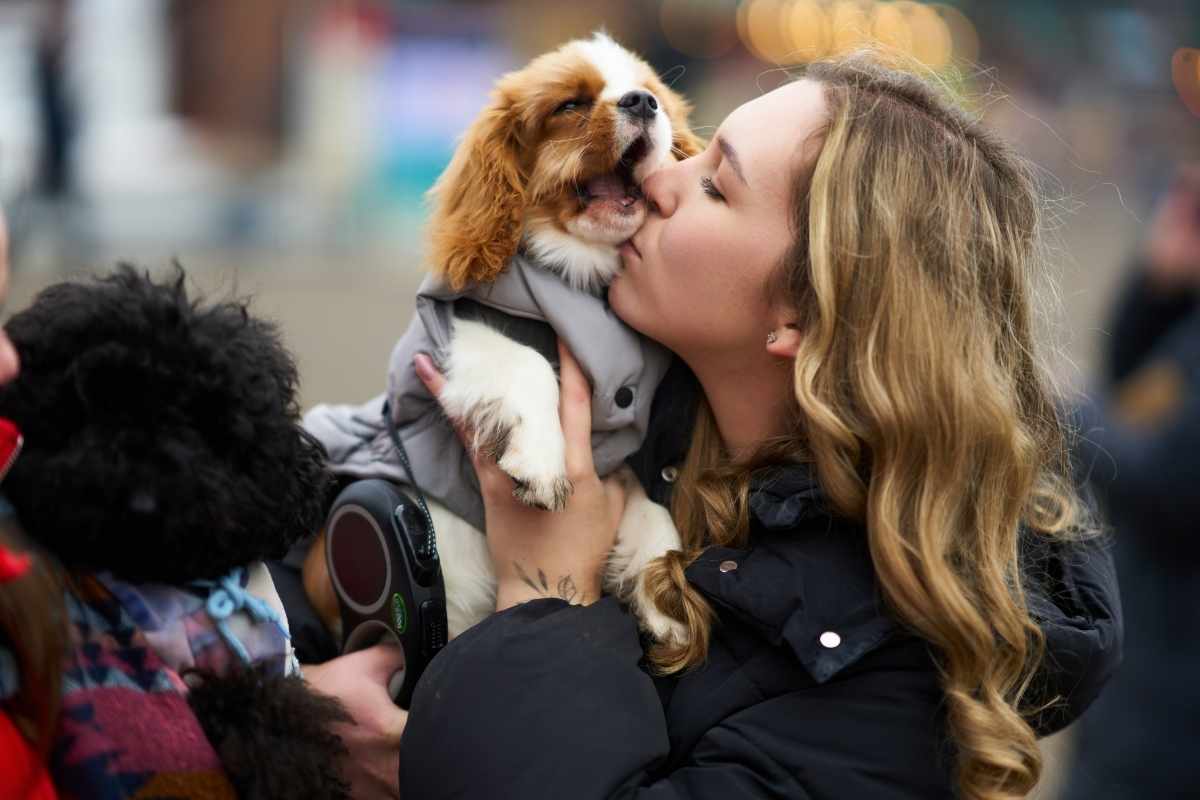
Summer road trips can be an exciting experience for both dogs and their owners. Whether traveling for a family vacation, weekend getaway, or outdoor adventure, many dogs enjoy spending extra time with their families on the road. However, warmer temperatures, long drives, and unfamiliar environments can also create safety risks if proper precautions are not taken.
Planning ahead and understanding how to keep dogs comfortable during travel can help reduce stress and prevent emergencies. From heat-related concerns to motion sickness and hydration needs, summer travel requires extra attention to your dog’s health and safety.
At Middlesex Veterinary Center, many pet owners seek guidance on preparing dogs for seasonal travel and avoiding common summer hazards. Families in Littleton, MA, and surrounding communities can benefit from understanding how to make road trips safer and more comfortable for their pets.
1. Never Leave Your Dog in a Parked Vehicle
One of the most important summer travel safety rules is never leaving your dog alone in a parked car. Even with windows slightly open, temperatures inside a vehicle can rise dangerously within minutes.
Dogs are highly vulnerable to heatstroke, which can quickly become life-threatening.
Signs of Heatstroke Include
- Excessive panting
- Drooling
- Weakness
- Vomiting
- Bright red gums
- Collapse
If your dog shows signs of overheating, move them to a cool area immediately and contact a veterinarian as soon as possible.
2. Use Proper Travel Restraints
Allowing dogs to move freely inside a vehicle may distract the driver and increase injury risks during sudden stops or accidents.
Safer Travel Options Include
- Crash-tested dog seat belts
- Travel harnesses
- Secured pet carriers
- Vehicle barriers for larger dogs
Keeping your dog safely restrained helps protect both pets and passengers throughout the trip.
3. Keep Your Dog Hydrated
Hydration is essential during summer travel. Dogs can become dehydrated quickly in warm temperatures, especially during long drives or outdoor breaks.
Tips for Staying Hydrated
- Bring plenty of fresh water
- Pack a portable water bowl
- Offer water during rest stops
- Avoid excessive outdoor activity in peak heat
Monitoring your dog’s water intake can help prevent heat exhaustion and dehydration.
4. Plan Frequent Breaks
Dogs need regular breaks to stretch, relieve themselves, and cool down during long road trips. Stopping every few hours can help reduce stress and improve comfort.
During Rest Stops
- Walk your dog on a leash
- Allow time for hydration
- Avoid hot pavement that may burn paw pads
- Check for signs of overheating
Consistent breaks can also help dogs who experience anxiety or motion sickness during travel.
5. Prepare for Motion Sickness
Some dogs experience nausea or anxiety while riding in vehicles, especially puppies or pets unaccustomed to long trips.
Common Symptoms of Motion Sickness
- Excessive drooling
- Vomiting
- Whining
- Restlessness
- Lip licking
How to Help
Avoid feeding large meals immediately before travel and keep the vehicle cool and well-ventilated. Gradually introducing shorter car rides before longer trips may also help dogs become more comfortable.
If motion sickness becomes severe, veterinary care may be recommended to discuss treatment options.
6. Pack a Pet Travel Essentials Kit
Bringing familiar supplies can make travel safer and less stressful for dogs.
Recommended Travel Items
- Food and treats
- Water and bowls
- Leash and collar
- Waste bags
- Medications
- Medical records
- Favorite toys or blankets
- Tick and flea preventives
Being prepared helps owners respond quickly to unexpected situations during travel.
7. Protect Your Dog From Summer Parasites
Ticks, fleas, and mosquitoes are more active during summer months and may expose dogs to infections and parasites while traveling.
Preventive Measures
- Use veterinarian-approved parasite prevention products
- Check your dog for ticks after outdoor activities
- Avoid heavily wooded or overgrown areas when possible
Routine veterinary care can also help ensure your dog stays protected during travel season.
8. Research Pet-Friendly Destinations
Before traveling, confirm that hotels, parks, beaches, and accommodations allow pets. Some locations may have restrictions or require proof of vaccinations.
Knowing where emergency veterinary services are located along your route can also provide added peace of mind during longer trips.
Pet owners in Littleton, MA should also ensure dogs are up to date on vaccinations before summer travel plans begin.
When Should You Contact a Veterinarian Before Traveling?
Scheduling a pre-travel wellness exam can help identify health concerns before a road trip. Dogs with chronic conditions, anxiety, respiratory problems, or recent illnesses may require additional precautions before extended travel.
A veterinarian can also provide recommendations regarding:
- Motion sickness prevention
- Travel anxiety management
- Vaccinations
- Parasite prevention
- Safe summer activity levels
Professional veterinary care before travel can help reduce risks and improve your dog’s comfort throughout the trip.
Summer road trips can create lasting memories for dogs and their families when safety remains a top priority. Planning ahead, preventing overheating, maintaining hydration, and preparing for emergencies can help dogs stay healthy and comfortable during travel.
If you need guidance from a vet near you regarding safe summer travel for your dog, consider reaching out to Middlesex Veterinary Center. Our team is dedicated to helping pets stay safe, healthy, and ready for every adventure. Contact us to schedule your appointment and receive personalized care tailored to your dog’s travel and wellness needs.
FAQs
Q1. Is it safe for dogs to travel in cars during the summer?
Ans. Yes, but dogs should be kept cool, hydrated, and safely restrained to reduce the risk of overheating and injuries.
Q2. How often should I stop during a road trip with my dog?
Ans. Most dogs benefit from a break every 2 to 3 hours for water, bathroom needs, and stretching.
Q3. What should I do if my dog gets car sick?
Ans. Avoid feeding large meals before travel, keep the car ventilated, and speak with a veterinarian if symptoms are frequent or severe.
Q4. Can dogs get heatstroke inside a parked car?
Ans. Yes. Temperatures inside vehicles can rise rapidly, even with windows cracked open, creating a serious health risk.
Q5. What should I pack for traveling with my dog?
Ans. Essential items include food, water, medications, a leash, waste bags, vaccination records, and comfort items such as toys or blankets.
Q6. Should my dog visit the veterinarian before a long trip?
Ans. Yes. A wellness exam can help ensure your dog is healthy enough for travel and protected against seasonal health risks.