New Patient Offer: $45 first Exam with Dr. Martin!



Post-Neuter Diet for Dogs: Best Foods for a Smooth Recovery
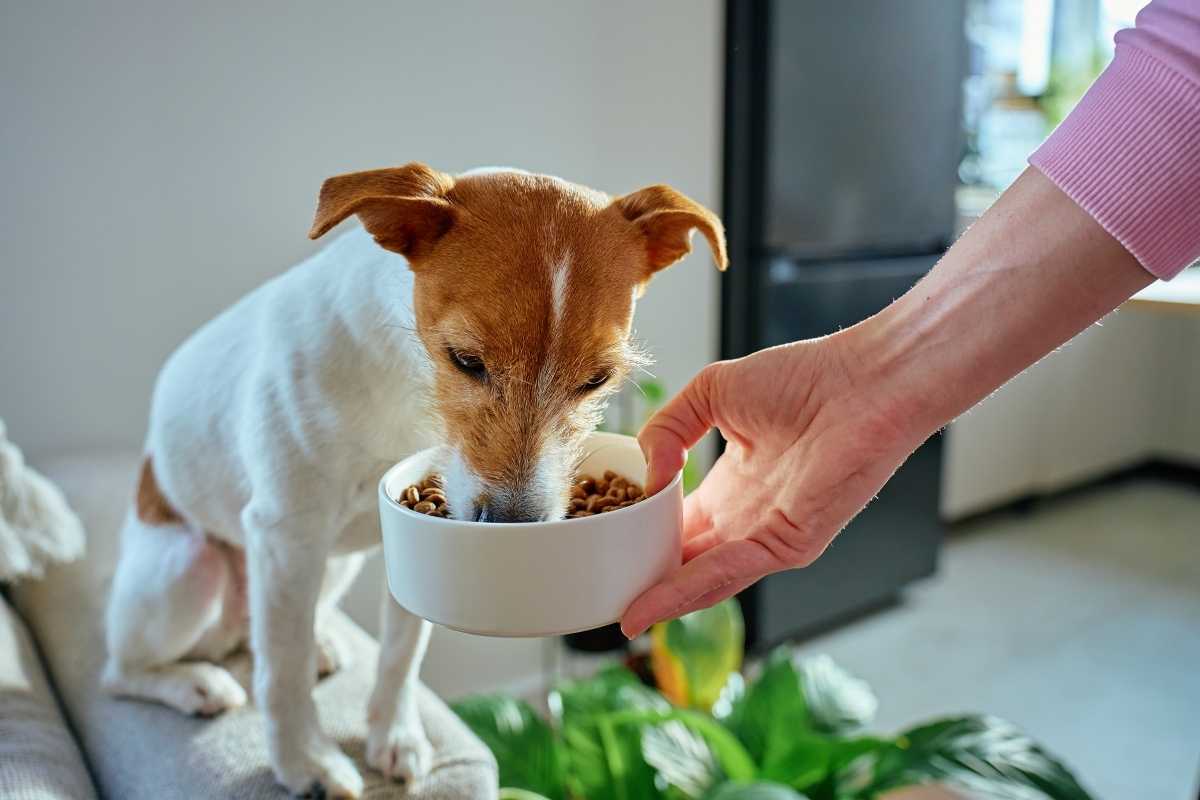
Neutering is a common and important procedure that supports your dog’s long-term health and behavior. While the surgery itself is routine, proper aftercare, especially nutrition, plays a key role in ensuring a smooth recovery. At Middlesex Veterinary Center, veterinarians guide pet owners through every stage of recovery, including dietary adjustments after pet surgery. For dog owners in Littleton, MA, and beyond, understanding what to feed your dog after neutering can help promote healing and prevent complications.
This guide is designed to support all pet owners, offering practical and reliable information for dogs recovering from neuter surgery anywhere.
Why Diet Matters After Neuter Surgery
After surgery, your dog’s body needs time and proper nutrition to heal. Appetite changes are common, and your dog may feel slightly nauseous or less interested in food initially. Providing the right diet can:
- Support tissue healing
- Maintain energy levels
- Prevent digestive upset
- Reduce the risk of weight gain
A thoughtful feeding approach helps your dog recover comfortably and safely.
What to Expect Immediately After Surgery
In the first 24 hours after surgery:
- Your dog may have a reduced appetite
- Mild nausea or lethargy is normal
- Small, easily digestible meals are recommended
It’s best to follow your veterinarian’s specific feeding instructions, as each dog may respond differently.
Best Foods for Dogs After Neuter Surgery
Choosing the right foods can make a significant difference in your dog’s recovery.
1. Easily Digestible Proteins
Lean proteins such as boiled chicken or turkey are gentle on the stomach and help repair tissues.
2. Soft, Bland Diets
Foods like plain rice, boiled potatoes, or prescription recovery diets are easy to digest and reduce the risk of gastrointestinal upset.
3. High-Quality Commercial Dog Food
Once your dog’s appetite returns, you can gradually transition back to their regular high-quality food, or a veterinarian-recommended formula.
4. Moist or Wet Food Options
Wet food can be more appealing and easier to eat, especially if your dog is feeling less energetic.
Foods to Avoid During Recovery
Certain foods can interfere with healing or cause digestive issues:
- Fatty or greasy foods
- Table scraps or human food
- Hard treats that require excessive chewing
- New or unfamiliar foods
Keeping your dog’s diet simple and consistent is key during recovery.
Feeding Tips for a Smooth Recovery
To help your dog adjust after surgery, follow these practical feeding tips:
Offer Small, Frequent Meals
Instead of one large meal, provide smaller portions throughout the day to support digestion.
Ensure Hydration
Make sure your dog has constant access to fresh water to prevent dehydration.
Monitor Appetite
If your dog refuses food for more than 24 – 48 hours, contact your veterinarian.
Gradually Return to Normal Diet
Transition slowly over several days to avoid upsetting your dog’s stomach.
Managing Weight After Neutering
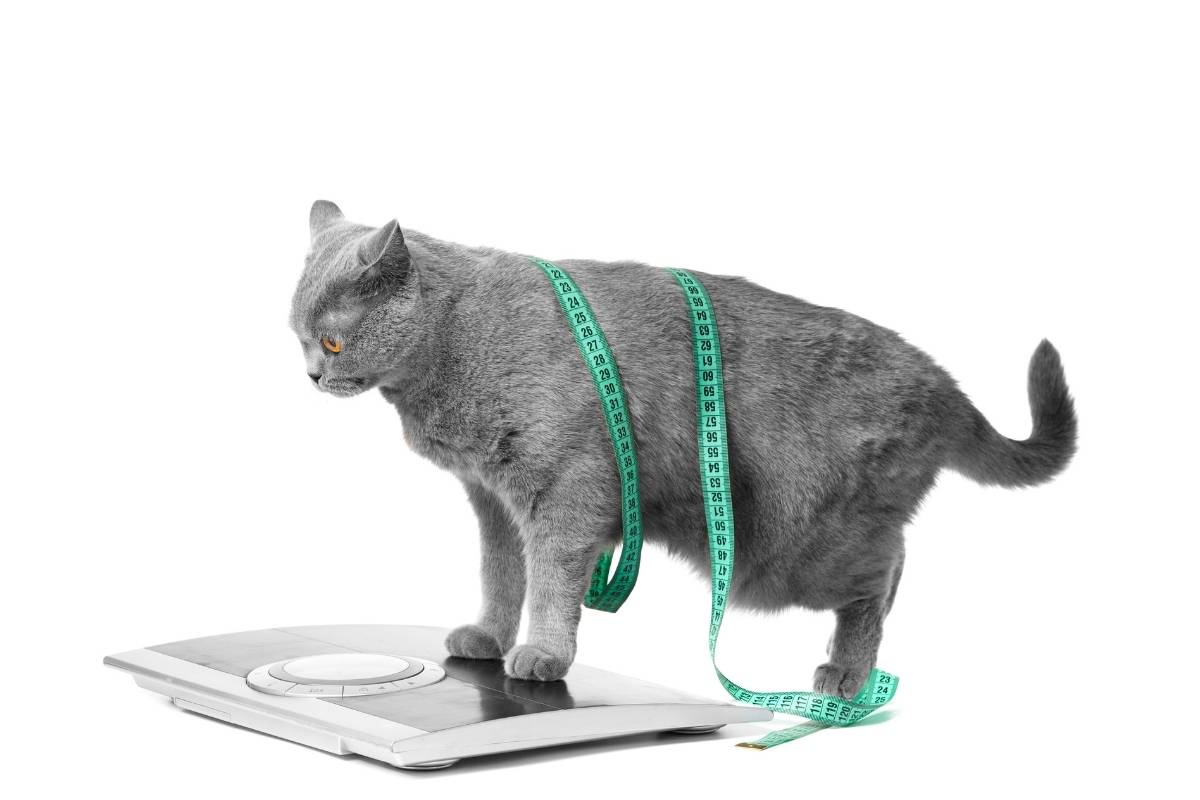
Neutering can lead to a slower metabolism, which may increase the risk of weight gain over time. To maintain a healthy weight:
- Adjust portion sizes as needed
- Avoid overfeeding or excessive treats
- Maintain a balanced diet
- Reintroduce exercise gradually once approved by your veterinarian
Long-term dietary management is essential for your dog’s overall health.
When to Contact Your Veterinarian
While most dogs recover without issues, certain signs may indicate a problem:
- Persistent vomiting or diarrhea
- Refusal to eat for more than two days
- Signs of pain or discomfort
- Swelling or discharge at the surgical site
If you notice any of these symptoms, it’s important to seek professional guidance. Contact us at Middlesex Veterinary Center for expert advice and support during your dog’s recovery.
Frequently Asked Questions
Q1. How soon can my dog eat after neuter surgery?
Ans. Most dogs can eat a small meal within a few hours after returning home, depending on your veterinarian’s instructions.
Q2. What if my dog refuses to eat after surgery?
Ans. A reduced appetite is normal initially, but if it continues beyond 24–48 hours, consult your veterinarian.
Q3. Can I give treats after neutering?
Ans. It’s best to avoid treats immediately after surgery and reintroduce them gradually once your dog recovers.
Q4. Should I change my dog’s regular food after neutering?
Ans. Some dogs may benefit from a calorie-controlled diet to prevent weight gain, but consult your veterinarian for recommendations.
Q5. Is vomiting normal after surgery?
Ans. Mild nausea can occur, but persistent vomiting should be evaluated by a veterinarian.
Q6. How long does dietary recovery take?
Ans. Most dogs return to their normal diet within a few days, depending on their recovery progress.