New Patient Offer: $45 first Exam with Dr. Martin!



Veterinary Soft Tissue Surgery: Why Choosing an Experienced Vet Matters
Seeing your dog or cat limp after a playful tumble can spark panic. You want the safest, most effective way to restore their health, and that starts with the surgeon’s skill. This guide explains veterinary soft tissue surgery and shows why entrusting a seasoned veterinarian makes all the difference. With clear insights, you can feel confident in your decision and help your companion heal quickly.
Understanding Soft Tissue Surgery
What types of operations fall under soft tissue surgery?
Soft tissue surgery covers procedures that do not involve bone alteration. Common examples include tumor removals, wound repairs, gastrointestinal foreign‑body extraction, and urinary bladder stone removal. Each operation requires precise handling of muscles, organs, and blood vessels to avoid complications.
Why precision matters
Unlike orthopedic procedures that often reshape bone, soft tissue work depends on delicate dissection and suturing. A minor slip can cause bleeding, infection, or incomplete healing. Therefore, the surgeon’s training and steady hand are critical to a successful outcome.
The Value of Veterinary Experience
Experience translates to safety
Veterinarians who have performed hundreds of soft tissue operations develop a keen sense of anatomy and tissue response. They recognize subtle signs of hemorrhage, choose the Right suture material, and manage anesthesia with greater confidence. This experience reduces the risk of postoperative issues and shortens recovery time.
Skills that set experts apart
- Tissue handling: Gentle manipulation prevents tearing and promotes faster healing.
- Hemostasis control: Mastery of clotting techniques minimizes blood loss.
- Pain management: Expertise in multimodal analgesia keeps pets comfortable while they recover.
Common Soft Tissue Procedures You May Encounter
- Mass removal – Benign or malignant growths are excised with a margin of healthy tissue.
- Splenectomy – Removal of a damaged spleen often relieves pain and resolves complications.
- Foreign‑body extraction – Ingested objects lodged in the gastrointestinal tract require careful retrieval.
- Bladder stone dissolution – Minimally invasive techniques can clear stones without open surgery.
How to Choose the Right Veterinarian
When searching for a clinic, you might type “veterinary pet surgery in Littleton” to locate nearby specialists. Look for a veterinarian who:
- Has documented experience with the specific procedure your pet needs.
- Uses modern equipment such as laparoscopic tools or digital imaging.
- Provides clear communication about pre‑operative preparation and post‑operative care.
If you are unsure where to start, consider a referral from your primary vet or a trusted pet‑owner community.
Recovery and Aftercare
What to expect in the first 48 hours
Pets often wake up groggy from anesthesia, but should be alert within a few hours. Keep them in a quiet, comfortable space and limit movement for at least 24‑48 hours.
Long‑term care plan
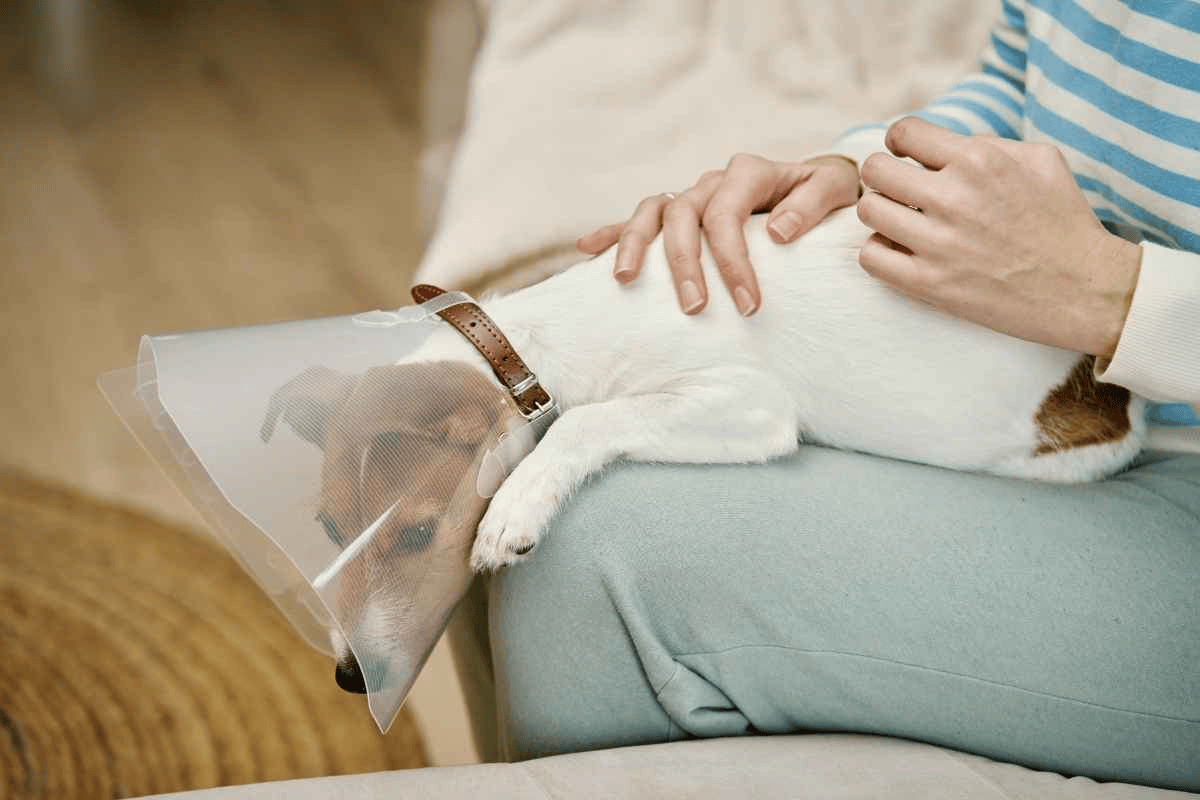
Your veterinarian will prescribe a schedule of restricted activity, followed by gradual leash walks and controlled exercise. Pain medication, antibiotics, and possibly a protective collar may be recommended to prevent interference with the surgical site.
Monitoring for complications
Watch for swelling, discharge, or changes in behavior that signal infection or wound dehiscence. Promptly reporting these signs to your vet can prevent serious setbacks.
When to Seek Immediate Veterinary Attention
If your pet exhibits excessive bleeding, sudden lethargy, refusal to drink, or signs of an allergic reaction, contact your veterinarian right away. Early intervention is the best safeguard against severe complications.
Choosing a veterinarian with a proven track record in veterinary soft tissue surgery safeguards your pet’s health and accelerates recovery. By focusing on experience, modern techniques, and clear communication, you give your companion the best chance for a swift, uneventful healing process. For personalized care, consider reaching out to Middlesex Veterinary Center. Take the next step today—schedule a consultation and feel confident that your pet’s surgical journey is in expert hands.
Frequently Asked Questions
Q1: What distinguishes an experienced vet from a general practitioner in soft tissue surgery?
Ans: Experienced veterinarians have performed many more procedures, mastering tissue handling, hemostasis, and pain control, which leads to fewer complications and quicker recoveries.
Q2: How long does it take for a pet to fully recover from soft tissue surgery?
Ans: Most animals feel better within a few days, but complete healing typically requires 2–4 weeks, depending on the procedure’s complexity.
Q3: Are there non‑surgical alternatives for the conditions mentioned?
Ans: Some cases can be managed with medication or minimally invasive techniques, but surgery often offers the most definitive solution for tumors, foreign bodies, or organ‑related problems.
Q4: Can I stay with my pet during recovery?
Ans: Absolutely. Providing a calm, familiar environment can reduce stress and support healing.
Q5: What role does nutrition play in post‑operative care?
Ans: A balanced, easily digestible diet supports tissue repair. Your vet may recommend a temporary feeding plan tailored to your pet’s needs.
Q6: Is anesthesia safe for older pets?
Ans: Modern anesthetic protocols are designed to be safe for senior animals, but a thorough health evaluation is essential before administration.