New Patient Offer: $45 first Exam with Dr. Martin!



Why Do Female Cats Get Bigger After Being Spayed?
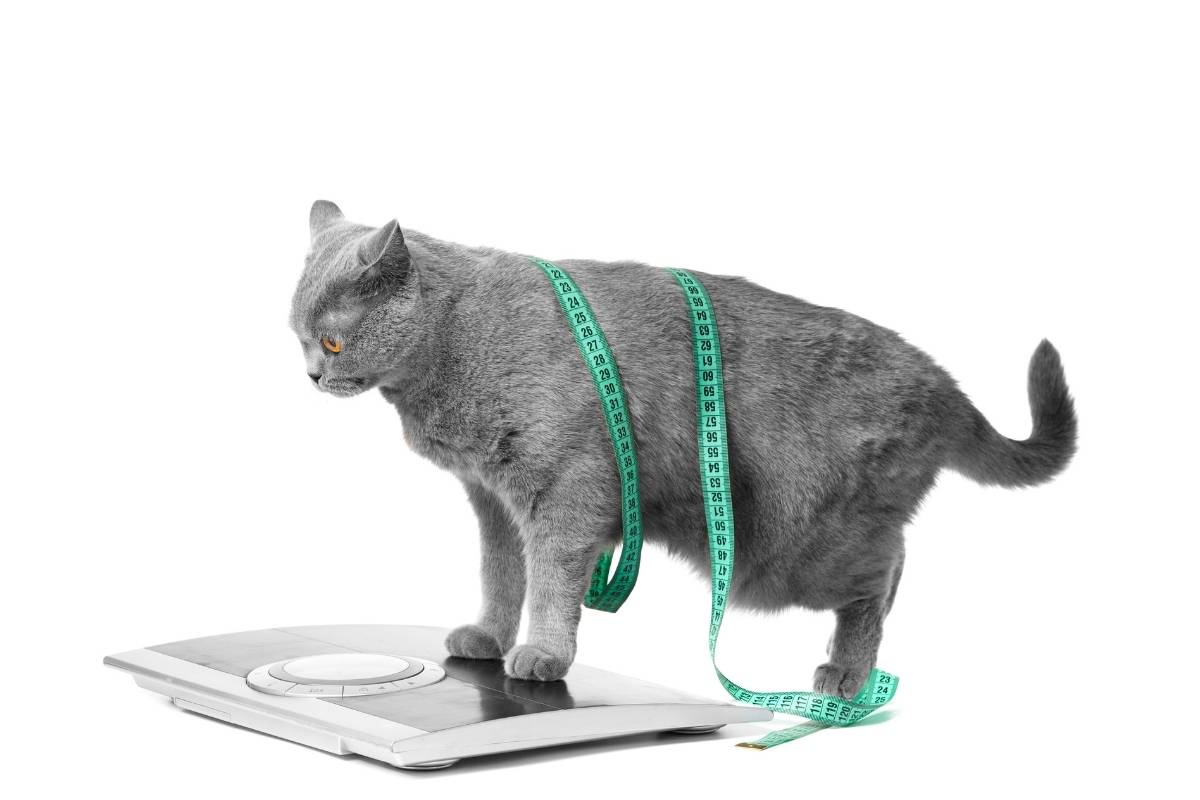
Many cat owners notice a change in their pet a few months after spaying. Their once slender kitten suddenly looks rounder around the belly, ribs, and hips. Naturally, this can cause concern. Did the surgery cause weight gain? Is something wrong?
The short answer is no—spaying itself does not directly make a cat fat. However, it does change hormone levels, which affects appetite, metabolism, and activity. Understanding why these changes happen helps you manage your cat’s diet and prevent unhealthy weight gain.
In this article, you will learn what actually occurs inside your cat’s body after the procedure and how to keep your pet healthy long-term. This guide is especially useful for cat owners in Littleton, MA.
What Happens During Spaying?
Spaying is a routine veterinary surgery that removes the ovaries and usually the uterus. The procedure prevents pregnancy and eliminates heat cycles. Additionally, it significantly reduces the risk of uterine infection and mammary cancer.
After surgery, the reproductive hormones estrogen and progesterone drop sharply. These hormones previously influenced metabolism, hunger signals, and energy use.
Therefore, the changes you notice are hormonal—not a complication.
Why Female Cats Appear Bigger After Spaying
Weight gain after spaying happens for several connected reasons.
1. Slower Metabolism
Before spaying, estrogen helps regulate energy use. After the ovaries are removed, the body burns fewer calories at rest. Consequently, your cat needs less food than before, even though she may act just as hungry.
In fact, studies show spayed cats require roughly 20–30% fewer calories.
If feeding amounts remain the same, the body stores extra calories as fat around the abdomen and chest.
2. Increased Appetite
Hormonal changes also affect the brain’s hunger center. Many cats suddenly seem hungrier and may beg for food more often.
You might notice:
- Following you to the kitchen
- Meowing for food
- Eating faster
- Searching counters
Although it feels like your cat needs more food, the opposite is true.
3. Reduced Activity Levels
Unspayed female cats are naturally active due to mating behaviors. They pace, vocalize, and move around frequently. After the procedure, this behavior stops.
As a result:
- Calorie use decreases
- Resting time increases
- Indoor sleeping becomes more frequent
Therefore, the combination of eating more and moving less leads to weight gain.
4. Normal Aging
Many cats are spayed around 5–6 months of age. Coincidentally, this is also when kitten growth slows, and the body begins maturing.
Owners sometimes associate normal body development with surgery, when in reality the cat is simply transitioning from kitten to adult body structure.
Is Weight Gain Dangerous?
A little rounding out is normal. However, excessive weight can cause serious health issues.
Obesity increases the risk of:
- Diabetes
- Arthritis
- Heart disease
- Reduced lifespan
- Difficulty grooming
Extra fat around the abdomen also makes jumping and climbing harder, which affects muscles and joints.
How to Prevent Weight Gain After Spaying
Fortunately, you can easily manage your cat’s body condition with a few adjustments.
Adjust Portion Sizes Immediately
Right after veterinary surgery, your cat needs fewer calories. Begin feeding about 20% less than before unless your veterinarian recommends otherwise.
Measure food carefully. Guessing portions often leads to overfeeding.
Switch to a Spayed-Cat Formula
Many pet foods are formulated specifically for sterilized cats. These diets contain:
- Controlled fat levels
- Higher protein
- Fiber for fullness
They help maintain lean muscle while reducing fat storage.
Schedule Feeding Times
Free-feeding encourages overeating. Instead, feed two or three measured meals daily. Structured feeding regulates hunger hormones and improves digestion.
Encourage Exercise
Indoor cats especially need stimulation.
Try:
- Laser pointer play
- Feather wand toys
- Puzzle feeders
- Climbing trees
Even 15 minutes of daily play supports muscle tone and burns calories.
Monitor Body Condition
You should be able to feel the ribs under a thin fat layer. The waist should be visible from above, and the belly should not hang excessively.
If your cat’s abdomen swings while walking, weight gain has likely progressed too far.
Post-Surgery Recovery and Nutrition
During the first two weeks after the procedure, your cat may be less active while healing. Follow all instructions from your veterinarian and prevent jumping until cleared.
At Middlesex Veterinary Center, veterinarians guide owners on feeding adjustments and safe activity after veterinary surgery to ensure proper healing and long-term health.
Common Myths About Spaying and Weight Gain
Myth: Spaying automatically causes obesity
Reality: Overfeeding after hormone changes causes weight gain
Myth: Cats become lazy after spaying
Reality: They become calmer but still need stimulation
Myth: Indoor cats don’t need exercise
Reality: Indoor cats require daily activity to stay healthy
When to Contact Your Veterinarian
Consult your veterinarian if you notice:
- Rapid weight gain
- Extreme hunger
- Lethargy
- Difficulty jumping
- Excessive thirst
These symptoms could indicate thyroid issues or diabetes rather than normal weight change.
Long-Term Benefits of Spaying
Despite weight concerns, spaying remains one of the most beneficial health decisions.
Benefits include:
- No heat cycles
- No unwanted litters
- Reduced cancer risk
- Prevention of uterine infection (pyometra)
- Calmer behavior
With proper diet and exercise, most cats maintain an ideal body weight for life.
Spaying does not directly make female cats overweight. Instead, hormones slow metabolism and increase appetite. When feeding portions remain unchanged, fat accumulates around the belly and ribs. Fortunately, proper diet control, scheduled meals, and regular playtime keep your cat healthy and active for years.
If you are in Littleton, MA and looking for an animal hospital near you, consider booking an appointment with Middlesex Veterinary Center, so your cat can receive personalized guidance for a healthy life after spaying.
Frequently Asked Questions:
Q1. How soon after spaying will my cat gain weight?
Ans. Weight changes may appear within 2–4 months if food portions stay the same.
Q2. Should I feed kittens food after spaying?
Ans. Only until your veterinarian advises switching, usually around 10–12 months.
Q3. How much should I feed my cat?
Ans. Follow package guidelines and adjust based on body condition and veterinary advice.
Q4. Can treats cause weight gain?
Ans. Yes. Treats should be less than 10% of daily calories.
Q5. Will outdoor cats still gain weight?
Ans. Less often, because they burn more energy.
Q6. Is wet food better than dry food?
Ans. Wet food can help control calories and improve hydration.