New Patient Offer: $45 first Exam with Dr. Martin!



Common Diagnostic Tests Vets Use to Detect Hidden Illness
Here’s a comprehensive guide to understanding the common diagnostic tests vets use to detect hidden illness, designed to help pet owners make informed healthcare decisions. Diagnostic testing plays an essential role in identifying health concerns before they become serious, allowing for proactive care and long-term wellness. This guide is especially for pet owners in Littleton, MA, who want to ensure their pets stay healthy. At Middlesex Veterinary Center, our team uses advanced diagnostic tools to uncover underlying conditions early and provide the best possible care.
Understanding how these tests work and why they matter can help pet owners feel more confident and informed about their pet’s healthcare journey.
Why Diagnostic Testing Is So Important
Animals instinctively mask pain and weakness. A pet may appear normal on the outside while internal changes are already taking place. Diagnostic testing allows veterinarians to look beneath the surface and identify concerns such as infections, organ dysfunction, hormonal imbalances, or early-stage disease.
Routine testing is especially valuable during wellness exams, pre-anesthetic evaluations, and senior pet visits, where early detection can make a significant difference in treatment outcomes.
Blood Tests: A Window Into Internal Health
Bloodwork is one of the most commonly used diagnostic tools in veterinary care. These tests evaluate red and white blood cells, organ function, electrolytes, and more.
Common blood tests help detect:
- Kidney or liver disease
- Anemia or infection
- Diabetes
- Inflammatory conditions
As part of the common diagnostic tests vets use, blood panels often serve as a baseline, allowing veterinarians to monitor changes in your pet’s health over time.
Urinalysis: Detecting Issues Early
Urinalysis provides valuable insight into kidney function, hydration levels, and urinary tract health. It can reveal problems that may not yet be apparent through symptoms alone.
This test is often used to identify:
- Urinary tract infections
- Kidney disease
- Bladder stones
- Diabetes-related complications
When paired with bloodwork, urinalysis creates a more complete picture of your pet’s internal health.
Fecal Testing: More Than Just Parasites
Fecal exams are essential for detecting intestinal parasites, some of which can be present without causing noticeable signs. These parasites can impact nutrient absorption and pose risks to other pets and humans.
Routine fecal testing helps identify:
- Roundworms, hookworms, and whipworms
- Giardia and other microscopic parasites
- Digestive imbalances
Early detection ensures timely treatment and helps protect your household.
Imaging Tests: X-Rays and Ultrasound
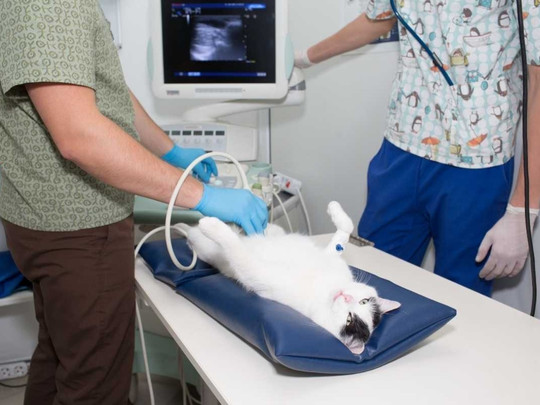
Imaging allows veterinarians to visually assess bones, organs, and soft tissues. X-rays are commonly used to evaluate the chest, abdomen, and skeletal system, while ultrasound provides detailed images of internal organs in real time.
These tools help detect:
- Tumors or masses
- Heart and lung conditions
- Gastrointestinal blockages
- Joint and bone abnormalities
Imaging is a cornerstone of the common diagnostic tests vets use when symptoms are vague or internal disease is suspected.
Diagnostic Testing for Senior Pets
As pets age, the risk of chronic disease increases. Senior pets benefit from routine diagnostic screening even when they seem healthy. Subtle changes in lab values can signal early disease, allowing for proactive management rather than reactive treatment.
This approach often leads to improved comfort, longer lifespan, and better overall quality of life.
What to Expect During Diagnostic Testing
Most diagnostic tests are quick, minimally invasive, and well-tolerated by pets. Blood and urine samples can often be collected during a routine visit, and many results are available the same day.
Your veterinarian will explain:
- Why are specific tests recommended
- What the results mean
- Whether follow-up testing or treatment is needed
Clear communication helps ensure you feel informed and confident in your pet’s care plan.
Partnering in Your Pet’s Health
Diagnostic testing is not just about finding problems—it’s about protecting your pet’s future. Early detection allows for earlier intervention, often reducing long-term costs and improving treatment success.
At Middlesex Veterinary Center in Littleton, MA, our team is committed to using advanced diagnostic tools to support lifelong pet health. Book an appointment at Middlesex Veterinary Center to ensure hidden health issues are identified before they become serious concerns.
FAQs:
Q1. How often should my pet have diagnostic tests?
Ans. Many pets benefit from annual screening, while senior pets or those with medical conditions may need testing more frequently.
Q2. Are diagnostic tests safe for pets?
Ans. Yes. Most tests are minimally invasive and considered very safe when performed by trained veterinary professionals.
Q3. Does my pet need tests if they seem healthy?
Ans. Yes. Many illnesses develop silently, and early changes often appear in lab results before symptoms show.
Q4. How long does it take to get results?
Ans. Some results are available the same day, while others may take a few days depending on the test.
Q5. Will diagnostic testing increase my veterinary costs?
Ans. Preventative testing often reduces long-term costs by avoiding emergency care and advanced disease treatment.