New Patient Offer: $45 first Exam with Dr. Martin!




Protecting Your Pet’s Future Health
As pet owners, we want to ensure that our pets live long, healthy lives. One of the best ways to do this is through preventative pet care. By taking a proactive approach to your pet’s health, you can save yourself and your pet from potential health issues and costly vet bills. We will discuss the importance of preventative pet care and the different aspects that it encompasses.
Wellness Examinations
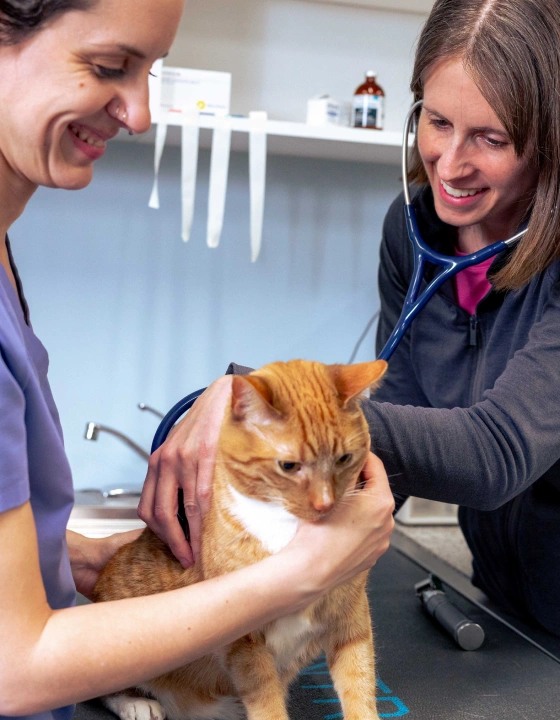
Just like humans, pets need regular check-ups to maintain their overall health. Routine wellness examinations allow us to monitor your pet’s health and catch any potential issues early on. During these visits, your pet will receive a physical exam, vaccinations (as needed), and any necessary lab work. These visits also allow you to discuss any concerns or changes in your pet’s behavior with your us.
Vaccinations
Vaccinations are an essential part of preventative pet care. They protect your pet from potentially deadly diseases and help prevent the spread of these diseases to other animals.
What are the Recommended Vaccinations?

The recommended vaccinations for dogs include:
- Rabies
- Distemper / Adenovirus / Parainfluenza / Parvovirus
- Lyme
- Bordetella
- Leptospirosis

The recommended vaccinations for cats include:
- Rabies
- Feline herpesvirus / Calicivirus / Panleukopenia
Additional vaccinations may be recommended by us based on your pet’s lifestyle and risk factors. These vaccinations protect against diseases that are not as common or as deadly as the recommended vaccinations.
Additional vaccination for dogs:
- Canine Influenza
Additional vaccination for cats:
- Feline leukemia (for outdoor cats)
Vaccination Schedule
The vaccination schedule for pets can vary depending on their age, health, and lifestyle. It is important to consult with us to determine the best schedule for your pet. However, here is a general guideline for when your pet should receive their vaccinations:
Puppies & Kittens
Puppies and kittens should receive their first vaccinations at 7-8 weeks of age. They will then need booster shots every 3-4 weeks until they are 16 weeks old. After that, they will need annual booster shots.
Adult Dogs & Cats
Adult dogs and cats should receive annual booster shots for their core vaccinations. Additional vaccinations may also need to be given annually, depending on your pet’s lifestyle and risk factors.
FeLV & FIV
FeLV and FIV are viruses that affect cats. They are both retroviruses, meaning they can integrate their genetic material into the host’s DNA. This makes them difficult to treat and can lead to long-term health issues for infected cats.

Who Is at Risk for FeLV & FIV?
FeLV and FIV can affect cats of all ages, breeds, and lifestyles. However, there are certain factors that can increase a cat’s risk of contracting these viruses.
Outdoor Cats
FeLV and FIV can affect cats of all ages, breeds, and lifestyles. However, there are certain factors that can increase a cat’s risk of contracting these viruses.
Kittens
Kittens are more susceptible to FeLV and FIV because their immune systems are not fully developed. They are also more likely to engage in rough play and get into fights, increasing their risk of FIV.
Cats with Weakened Immune Systems
Cats with weakened immune systems, such as those with other illnesses or older cats, are more vulnerable to FeLV and FIV. These viruses can further compromise their immune systems and lead to more severe health issues.
Symptoms of FeLV & FIV
FeLV and FIV can have similar symptoms, but there are some key differences. It’s important to note that not all cats will show symptoms of these viruses, and some may not show symptoms until years after being infected.
Symptoms of FeLV
- Weight loss
- Loss of appetite
- Lethargy
- Pale gums
- Enlarged lymph nodes
- Fever
- Diarrhea
- Difficulty breathing
- Seizures
- Behavioral changes

Symptoms of FIV
- Fever
- Lethargy
- Loss of appetite
- Weight loss
- Enlarged lymph nodes
- Gingivitis
- Upper respiratory infections
- Diarrhea
- Behavioral changes

Parasite Control
Parasites, such as fleas, ticks, and heartworms, can cause a range of health issues for your pet. It is important to have your pet on a regular parasite prevention program to protect them from these pests. We can recommend the best preventative measures for your pet based on their lifestyle and risk factors.
What are parasites?
Parasites are organisms that live on or inside another organism, known as the host, and rely on the host for survival. In the case of pets, parasites can include fleas, ticks, worms, and other organisms that can cause harm to your dog or cat’s health. These parasites can be found in various areas such as the skin, gastrointestinal tract, and even the blood.
Why is parasite testing important?
Parasite testing is crucial in maintaining the health and wellness of our pets. It allows veterinarians to detect the presence of parasites in our pets and determine the appropriate treatment plan. Some parasites can be difficult to detect, and without proper testing, they can go unnoticed and cause harm to our pets. Additionally, some parasites can also be transmitted to humans, making it essential to test and prevent them in our pets.
How is parasite testing done?
Parasite testing can be done through a variety of methods, including fecal exams, blood tests, and skin scrapings. Fecal exams are the most common method and involve collecting a sample of your pet’s stool and examining it for the presence of parasites. Blood tests can also be used to detect certain parasites, such as heartworms, which can be fatal if left untreated. Skin scrapings are used to detect external parasites, such as mites, that can cause skin irritation and other health issues.
Prevention is key
While parasite testing is crucial, prevention is equally important in maintaining the health and wellness of our pets. There are various preventative measures that pet owners can take to protect their pet from parasites. These include regular flea and tick prevention, heartworm prevention, and deworming. We will recommend the best preventative measures for your pet based on their lifestyle and risk factors.
Heartworms
Heartworm is a disease transmitted to dogs and cats by mosquitoes infected with the heartworm larvae and is potentially fatal to your pet. When an infected mosquito bites the animal, the larvae are injected into the bloodstream and eventually develop into adult worms in the blood vessels of the lungs and heart. If left untreated, the subsequent inflammation and clogging of the vessels in the heart and lungs will kill the dog or cat. Treatment for this disease in dogs is potentially dangerous and expensive, but prevention is affordable and easy!
*It is important for owners to realize that cats are also at risk for heartworm. The disease is more dangerous in cats because it takes much fewer heartworms to lead to a fatal illness and there is currently no safe and effective treatment for cats.
Microchipping
Microchipping is a simple and effective way to ensure that your pet can be identified if they ever get lost. A small microchip (about the size of a grain of rice) is inserted under your pet’s skin, and it contains a unique identification number that can be scanned by a veterinarian or animal shelter. This can greatly increase the chances of being reunited with your pet if they ever go missing.
The Petlink Microchip (which is the microchip we use) is read by many scanners including the universal scanner developed in 1996 to detect and read the numbers of all major brands of microchip.
Pets implanted with the Petlink microchip receive tag imprinted with their unique microchip number and the toll-free hotline number.
Nutrition & Weight Management
Proper nutrition is crucial for your pet’s overall health and well-being. We will recommend a diet that is tailored to your pet’s specific needs, whether they are a growing puppy or a senior cat. Additionally, maintaining a healthy weight is important for preventing health issues such as diabetes and joint problems. We will guide proper portion sizes and exercises for your pet. We also stock prescription diets for pets with medical issues.
Behavioral Counseling
Behavioral issues can be a source of frustration for pet owners. However, many of these issues can be addressed through behavioral counseling. We can guide how to address common behavioral problems, such as separation anxiety, destructive chewing, excessive barking, spraying, scratching, digging, house soiling, and aggression.