New Patient Offer: $45 first Exam with Dr. Martin!



Dog Tooth Abscess: Symptoms, Causes, Treatment, and Prevention
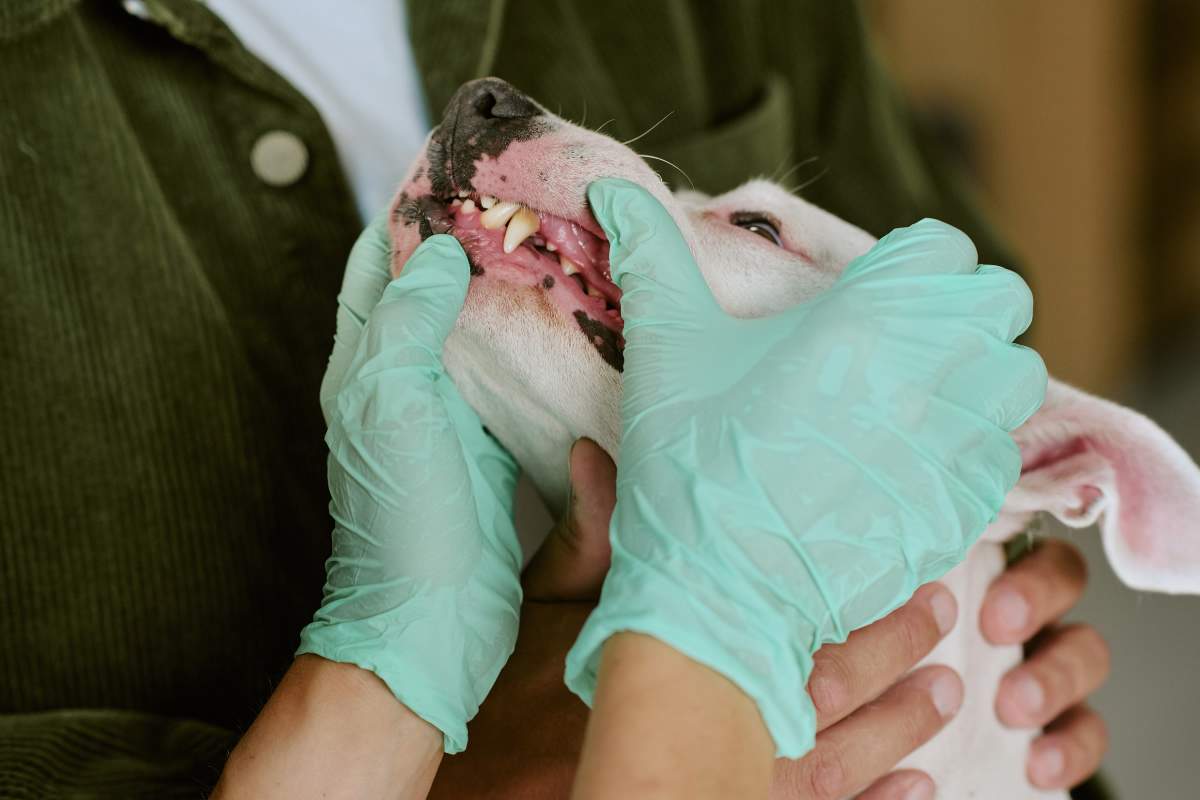
A dog may continue eating, playing, and greeting family members even when something is wrong inside their mouth. However, a painful dental infection can gradually change these familiar habits. Your dog might start chewing on one side, avoid favorite toys, or develop swelling around the face. These changes may indicate a dog tooth abscess, a serious infection that requires veterinary attention.
Recognizing dental problems early can spare your dog unnecessary discomfort and prevent further damage. This guide is especially helpful for dog owners in Littleton who want to understand the causes, warning signs, and treatment options for tooth abscesses. Knowing what to watch for can help you protect your dog’s oral health and keep everyday activities comfortable.
What Is a Dog Tooth Abscess?
A dog tooth abscess is a pocket of infection that develops around a tooth’s root. It usually occurs when bacteria enter the tooth’s inner tissues or spread through damaged gums.
Inside each tooth is a soft tissue called the pulp, which contains nerves and blood vessels. When bacteria reach this area, they can cause inflammation and infection. The infection may eventually extend into the tissues and bone surrounding the root.
Unlike surface stains or tartar buildup, a tooth abscess involves structures beneath the gumline. It can be extremely painful even when the affected tooth looks normal.
Without treatment, the infection may damage surrounding tissues or create a draining opening in the gums or facial skin.
What Causes Tooth Abscesses in Dogs?
Several dental conditions can allow bacteria to reach a tooth’s root. Understanding these causes can help owners recognize potential risks.
Broken or Fractured Teeth
Dogs can fracture their teeth while chewing hard bones, antlers, or other rigid objects. A deep fracture may expose the pulp, allowing bacteria to enter. Even a small visible crack can hide considerable damage beneath the surface.
Advanced Periodontal Disease
Periodontal disease develops when plaque and tartar contribute to inflammation and infection around the gums. As the condition progresses, the tissues and bone supporting the teeth can deteriorate. Deep pockets may allow bacteria to spread toward the roots.
Injuries to the Mouth
Falls, collisions, or accidents can damage a tooth without causing an obvious fracture.
An injured tooth may lose its blood supply, causing the pulp to die. Bacteria can subsequently infect the damaged tissue.
Untreated Dental Problems
Loose teeth, deep gum infections, and previously damaged teeth can become sources of infection when left untreated.
Routine examinations and professional pet dental care help our vets identify dental problems before they progress into more serious conditions.
Common Symptoms of a Dog Tooth Abscess
Dogs frequently hide oral discomfort, making it difficult to recognize dental infections early.
Watch for the following changes:
- Facial swelling: Swelling beneath one eye or along the muzzle can indicate infection involving an upper tooth.
- Persistent bad breath: An unusually unpleasant odor may accompany dental infection.
- Difficulty chewing: Your dog may favor one side of the mouth or drop food while eating.
- Reduced appetite: Chewing may become uncomfortable enough to affect normal eating habits.
- Excessive drooling: Increased saliva, occasionally mixed with blood, may indicate oral irritation.
- Swollen or bleeding gums: Inflammation around the affected tooth may become visible.
- Changes in behavior: Some dogs become withdrawn, irritable, or reluctant to play.
- Discharge near the gums or face: An abscess may rupture and release pus.
Not every dog will develop noticeable swelling. Some continue eating despite significant dental pain.
If your dog develops facial swelling, refuses food, or appears to have severe mouth pain, contact a veterinarian promptly. Rapidly worsening swelling, difficulty breathing, or marked weakness requires emergency veterinary attention.
How Do Vets Diagnose Tooth Abscesses?
Diagnosing an abscess involves more than looking at the visible portion of a tooth. At our veterinary hospital, we begin by reviewing your dog’s symptoms, medical history, and eating habits. Our vets examine the mouth for fractured teeth, gum inflammation, swelling, and other abnormalities.
As much of a tooth lies beneath the gumline, dental X-rays are often necessary to identify infection around the roots.
A thorough dental assessment may involve:
- Physical examination: Checking the mouth and face for visible signs of infection.
- Dental X-rays: Examining tooth roots and surrounding bone for hidden damage.
- Assessment under anesthesia: Allowing a detailed oral examination and evaluation of affected teeth.
- Treatment planning: Determining whether the tooth can be treated or requires extraction.
Our team may recommend blood work before anesthesia to evaluate your dog’s overall health and plan the procedure.
How Is a Dog Tooth Abscess Treated?
A tooth abscess will not reliably heal without veterinary treatment. The infected tooth must be addressed to eliminate the underlying source of infection.
Treatment depends on the affected tooth, infection severity, and your dog’s overall dental health.
Tooth Extraction
Extraction is commonly recommended when a tooth is severely infected, fractured, or no longer suitable for preservation. Removing the affected tooth eliminates the source of infection and allows surrounding tissues to heal. Our vets provide appropriate pain management and aftercare instructions to support recovery.
Root Canal Treatment
Some teeth may be suitable for root canal therapy, which removes infected pulp while preserving the tooth. This procedure requires advanced dental training and equipment. Our veterinary hospital refers patients to a veterinary dentist when root canal treatment or other complex dental procedures are needed.
Antibiotics and Pain Medication
A veterinarian may prescribe antibiotics when indicated to manage associated infection. Pain medication can also help keep your dog comfortable.
However, antibiotics alone generally cannot resolve an abscessed tooth because the underlying source remains. Never give your dog leftover antibiotics or human pain medications without veterinary instructions.
What Happens During Recovery After Treatment?
Recovery depends on the procedure performed and the extent of the infection.
After an extraction, dogs may experience temporary soreness, mild swelling, or reduced interest in chewing. Many begin feeling more comfortable once the infected tooth has been treated.
Your veterinarian may recommend:
- Feeding soft food during the initial healing period.
- Giving prescribed medications exactly as directed.
- Avoiding hard toys, bones, and dental chews temporarily.
- Monitoring the mouth for bleeding, swelling, or unusual discharge.
- Returning for follow-up examinations when recommended.
Contact our team if your dog develops worsening swelling, persistent bleeding, significant discomfort, or difficulty eating after treatment.
How Can You Prevent Tooth Abscesses?
Although not every dental infection is preventable, consistent oral hygiene can reduce several common risk factors.
Brush Your Dog’s Teeth Regularly
Brushing removes plaque before it hardens into tartar. Use a dog-specific toothbrush and veterinary toothpaste. Begin with short, gentle sessions and gradually establish a daily brushing routine.
Choose Safer Chew Toys
Avoid extremely hard objects that can fracture teeth. Select appropriately sized dental chews and toys that offer some flexibility. Ask our vets about suitable products for your dog’s chewing habits.
Check for Changes in the Mouth
Look for broken teeth, irritated gums, unusual odors, and changes in chewing behavior. Do not force your dog’s mouth open if they appear painful.
Schedule Routine Dental Examinations
Professional pet dental care allows veterinarians to identify problems that may not be obvious at home. Our veterinary hospital provides dental examinations, cleanings under anesthesia, and dental X-rays when needed. Regular assessments help us recommend appropriate preventive care for each dog.
Protect Your Dog’s Comfort and Dental Health
A tooth abscess can affect much more than your dog’s mouth. Painful chewing, interrupted meals, and changes in behavior can make everyday life uncomfortable. Identifying the problem early and treating the source of infection can help your dog return to eating, playing, and enjoying time with your family.
At Middlesex Veterinary Center, we help dogs in Littleton maintain healthier teeth and gums through preventive examinations, dental diagnostics, and appropriate treatment.
Don’t wait for facial swelling or severe pain to become your dog’s first obvious warning sign. If you notice bad breath, chewing difficulties, a broken tooth, or other concerning symptoms, contact our veterinary hospital today. Call us or schedule an appointment to let our vets help your dog find relief and enjoy a healthier, more comfortable life.
Frequently Asked Questions
Q1. Can a dog tooth abscess heal on its own?
Ans. No. Although swelling may temporarily decrease if an abscess drains, the underlying infection usually remains. Veterinary treatment is necessary to address the affected tooth and prevent further complications.
Q2. How quickly should a dog with a tooth abscess see a veterinarian?
Ans. A suspected tooth abscess should be evaluated promptly, ideally the same day when facial swelling or significant pain is present. Delaying treatment can allow the infection to worsen.
Q3. Can dogs eat normally with an abscessed tooth?
Ans. Yes. Some dogs continue eating despite severe dental pain. Others chew on one side, drop food, or refuse hard kibble. Normal eating does not rule out an infection.
Q4. Where can I get my dog’s suspected tooth abscess examined in Littleton?
Ans. At Middlesex Veterinary Center, our vets examine dental concerns and determine whether further diagnostics or treatment are needed. We offer dental X-rays and professional dental procedures to help identify and address oral health problems.
Q5. Does Middlesex Veterinary Center offer dental X-rays for dogs in Littleton?
Ans. Yes. Middlesex Veterinary Center provides dental X-rays when indicated to examine tooth roots and surrounding structures. These images can reveal hidden problems that are difficult to identify through a visual examination alone.
Q6. Can Middlesex Veterinary Center help if my dog needs advanced dental treatment?
Ans. Yes. Middlesex Veterinary Center evaluates dental conditions and provides appropriate treatment recommendations. When a dog requires a root canal or another advanced procedure, our team can arrange a referral to a veterinary dental specialist.