New Patient Offer: $45 first Exam with Dr. Martin!



What Diseases Are Most Common in Senior Dogs and Cats?
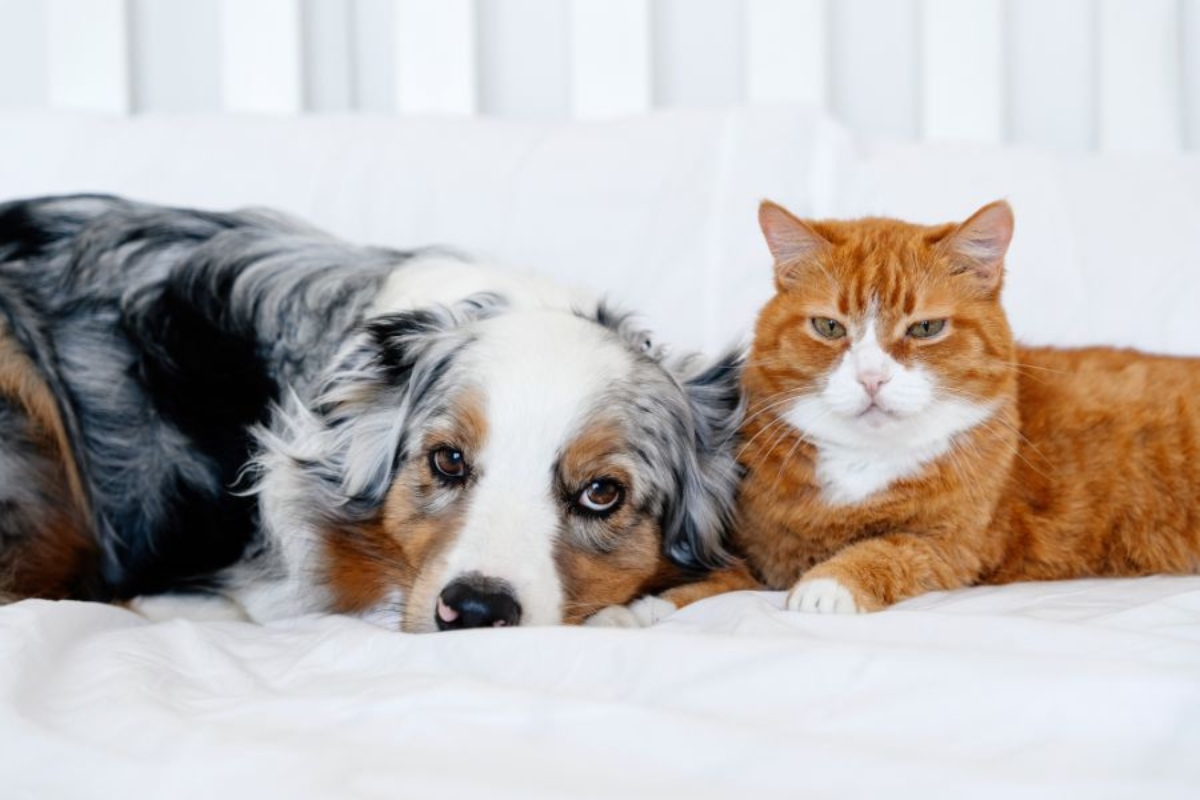
Watching a beloved dog or cat grow older brings both meaningful moments and new responsibilities. A slower walk or longer nap may seem like normal aging. However, some changes can signal an underlying health problem.
Older pets have a greater risk of developing chronic diseases that affect their comfort and quality of life. Some conditions also progress quietly before owners notice clear symptoms. Understanding common senior pet diseases can help you recognize changes sooner. Early veterinary attention may also provide more options for managing many age-related conditions.
At Middlesex Veterinary Center, we provide senior pet care for dogs and cats in Littleton and neighboring communities. Our team evaluates changing health needs while helping families support their pets throughout their later years.
What Health Problems Are Common in Older Dogs and Cats?
Senior dogs and cats can develop several conditions as their bodies change with age.
Common health concerns include:
- Arthritis and joint disease
- Kidney disease
- Dental disease
- Heart disease
- Diabetes
- Thyroid disorders
- Cancer
- Cognitive decline
- Vision and hearing changes
A pet may also have more than one condition at the same time. Regular veterinary examinations become increasingly important during these years.
Arthritis and Joint Disease
Arthritis is a common condition affecting aging dogs and cats. It causes joint discomfort, stiffness, and reduced mobility.
Dogs may hesitate before climbing stairs or getting into the car. They might walk more slowly or struggle after resting.
Cats often show less obvious symptoms. They may stop jumping onto furniture or have trouble entering a high-sided litter box.
Other possible signs include:
- Limping or stiffness
- Reduced interest in exercise
- Difficulty standing
- Reluctance to jump
- Changes in grooming
- Irritability when touched
Mobility changes should not automatically be dismissed as normal aging. Veterinary evaluation can identify pain and help determine appropriate management options.
Chronic Kidney Disease
The kidneys filter waste products and help maintain the body’s fluid balance. Their function can gradually decline as pets age.
Chronic kidney disease is particularly important to watch for in older cats. Dogs can also develop kidney problems.
Possible warning signs include:
- Drinking more water
- Urinating more often
- Losing weight
- Reduced appetite
- Vomiting
- Low energy
Kidney disease can progress before obvious symptoms appear. Blood testing and urinalysis can help identify changes that owners cannot see at home.
Earlier detection can help veterinarians develop an appropriate management plan.
Dental and Periodontal Disease
Dental disease can cause significant discomfort in older dogs and cats. Yet pets often continue eating despite oral pain.
Plaque and tartar can contribute to gum inflammation and periodontal disease. Older pets can also develop damaged teeth and other oral problems.
Watch for:
- Persistent bad breath
- Red or bleeding gums
- Difficulty chewing
- Dropping food
- Excessive drooling
- Pawing at the mouth
- Reduced appetite
Do not assume bad breath is simply part of getting older.
Regular oral examinations can help identify dental problems before they cause greater discomfort.
Heart Disease
Several heart conditions become more common as pets grow older. Dogs may develop heart valve problems, while cats can experience different forms of heart disease.
Early heart disease does not always produce obvious symptoms.
As disease progresses, owners might notice coughing, weakness, exercise intolerance, or changes in breathing.
A veterinarian may recommend additional diagnostic testing when an examination reveals concerning findings.
Seek prompt veterinary attention if your pet develops breathing difficulties, collapses, or suddenly becomes extremely weak.
Diabetes Mellitus
Diabetes affects the body’s ability to regulate blood glucose properly. The condition can occur in both dogs and cats.
Certain changes at home can provide important clues.
Common signs include:
- Increased thirst
- Frequent urination
- Increased appetite
- Unexplained weight loss
- Reduced activity
These symptoms can overlap with other senior pet diseases. Testing is necessary to determine the underlying cause.
Diabetes usually requires ongoing veterinary management. Regular monitoring plays an important role in maintaining stability.
Thyroid Disorders
Thyroid disease can affect metabolism and overall health.
Older cats commonly develop hyperthyroidism, which occurs when thyroid hormone production becomes excessive.
Affected cats may lose weight despite eating normally or excessively. They can also become restless, vocal, thirsty, or unusually active.
Older dogs can develop hypothyroidism, which involves insufficient thyroid hormone production.
Affected dogs may gain weight, become less active, or develop skin and coat changes.
Blood testing helps veterinarians investigate suspected thyroid disorders.
Cancer
Cancer risk generally increases with age in dogs and cats. Different cancers can affect the skin, blood, bones, or internal organs.
Symptoms depend on the location and type of disease.
Contact your veterinarian about:
- New or changing lumps
- Unexplained weight loss
- Persistent swelling
- Nonhealing wounds
- Appetite changes
- Unusual bleeding
- Persistent coughing
- Significant changes in energy
A lump does not automatically mean cancer. However, appearance alone cannot reliably determine what a mass contains.
Veterinary examination and diagnostic testing can provide more information.
Cognitive Dysfunction
Older pets can experience changes in brain function. These changes may affect memory, awareness, sleep patterns, and normal behavior.
A dog might appear confused in familiar rooms. A cat may begin vocalizing at unusual times.
Other possible signs include:
- Getting stuck in corners
- Changes in sleep patterns
- House-soiling accidents
- Reduced interaction
- Increased anxiety
- Altered activity levels
Behavioral changes can also result from pain or medical disease. A veterinary assessment can help identify possible causes.
Which Changes Should Concern Senior Pet Owners?
You know your pet’s normal habits better than anyone else.
Small changes can provide valuable information about their health.
Our vet advises owners to watch for changes involving appetite, thirst, urination, weight, activity, mobility, and behavior.
Vomiting, diarrhea, bad breath, lumps, stiffness, and difficulty using stairs can also deserve veterinary attention.
Document when the change started and whether it is becoming more frequent. This information can help during your pet’s examination.
Why Are Regular Senior Pet Exams Important?
Many chronic diseases are easier to address when identified before advanced symptoms develop. Routine care from a trusted veterinarian can establish health baselines and reveal changes between visits.
Depending on your pet’s age and health, evaluation may include a physical examination and laboratory testing. We recommend blood work, urinalysis, fecal testing, heartworm testing, X-rays, or other diagnostics.
Recommendations depend on each animal’s symptoms, history, lifestyle, and examination findings. Nutrition, exercise, pain control, mobility, and home comfort may also become increasingly important with age.
Help Your Senior Pet Stay Comfortable Through Every Stage
Growing older does not mean your pet should quietly live with pain or untreated disease. Early recognition can make a meaningful difference in managing many age-related conditions.
Middlesex Veterinary Center provides senior pet care for families in Littleton and surrounding communities. Our veterinary team can evaluate subtle changes and recommend appropriate diagnostic testing based on your pet’s needs.
Your dog or cat has spent years being an important part of your family. Their later years deserve the same thoughtful attention. Schedule an appointment if you notice changes in your aging pet’s health, mobility, or behavior.
FAQs
Q1. At what age is a dog considered senior?
Ans. There is no single age for every dog. Many dogs enter their senior years around seven to ten years old.
Large breeds can reach this life stage earlier than smaller breeds.
Q2. At what age is a cat considered senior?
Ans. Cats are often considered senior around ten years of age. Individual health and lifestyle can influence aging.
Your veterinarian can help determine your cat’s changing healthcare needs.
Q3. What is the most common health problem in senior dogs?
Ans. Arthritis, dental disease, organ disorders, heart problems, and cancer are important concerns in older dogs.
The specific risks vary by breed, size, medical history, and lifestyle.
Q4. What diseases should I watch for in an older cat?
Ans. Kidney disease, hyperthyroidism, arthritis, dental disease, diabetes, heart disease, and cancer can affect aging cats.
Subtle changes in weight, movement, appetite, or behavior deserve attention.
Q5. How often should a senior pet visit the veterinarian?
Ans. Older pets often benefit from more frequent veterinary assessments than younger adults.
Your veterinarian can recommend an examination schedule based on your pet’s health risks and medical history.
Q6. Can blood work detect diseases before my senior pet looks sick?
Ans. Yes. Laboratory testing can sometimes reveal kidney, liver, blood, glucose, or other abnormalities before obvious symptoms appear.
Testing recommendations should reflect your pet’s age and health status.
Q7. Is slowing down always a normal part of pet aging?
Ans. No. Reduced activity can result from arthritis, pain, heart disease, metabolic disorders, or other medical problems.
A veterinary examination can help distinguish normal aging from illness.
Related Articles